
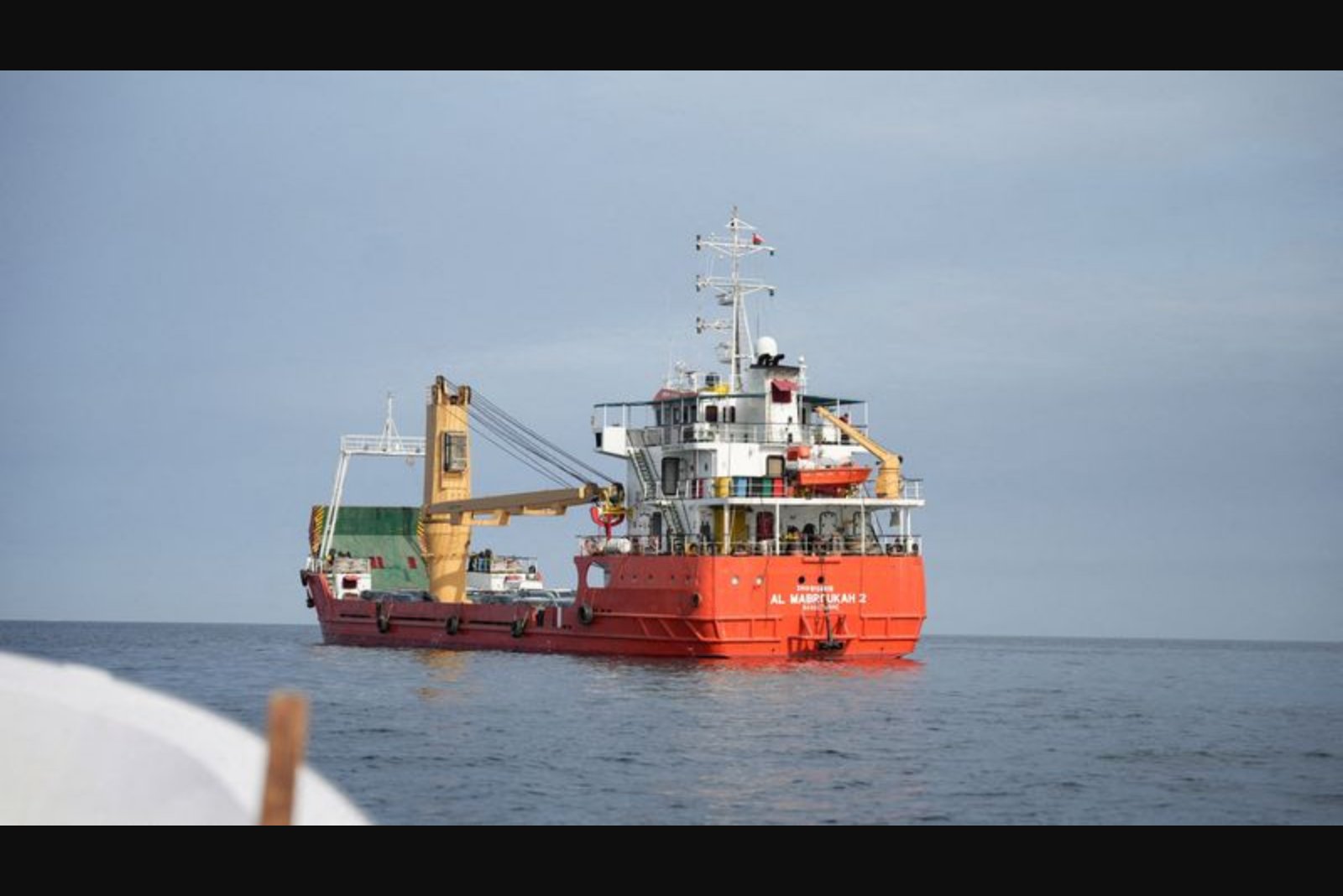
The seaborne route through the Strait of Hormuz has been all-but-closed since the start of the Iran war on February 28, with a U.S. blockade on vessels bound for or leaving Iranian ports increasing uncertainty for regional shipping. Ordinarily, roughly one fifth of global oil and gas exports move through the strait. Even so, a series of non-Iranian tankers have navigated the passage in recent weeks, carrying crude, refined fuels and liquefied petroleum gas to ports in Asia.
Vietnam
Malta-flagged VLCC Agios Fanourios I entered the Gulf through the Strait of Hormuz on April 15, marking a second attempt to transit, according to Kpler data. The vessel was among several that tried to enter the Gulf on the day of the U.S.-Iran ceasefire. Agios Fanourios I is bound for Iraq to load Basra crude that will be carried on to Vietnam.
Malaysia
Liberia-flagged VLCC Serifos navigated into and out of the Hormuz Passage trial anchorage that bypasses Iran's Larak Island on April 10. Kpler tracking indicates the ship, loaded with crude taken on from Saudi Arabia and the United Arab Emirates in early March, is expected to reach Malaysia's Malacca port on April 21.
Another vessel, Ocean Thunder, which is loaded with Iraqi crude and chartered by a unit of Malaysian state energy firm Petronas, passed through the waterway on April 5. It is slated to discharge about 1 million barrels of Basrah Heavy crude at Pengerang on April 18. Both tankers are listed among seven Malaysia-linked vessels that were cleared by Iran to transit the strait, according to two people familiar with the matter.
China
China-flagged VLCCs Cospearl Lake and He Rong Hai exited the Strait of Hormuz on April 11. Cospearl Lake, carrying Iraqi oil, is scheduled to arrive at China’s Zhoushan port on May 1. He Rong Hai is en route to Myanmar to offload a cargo of Saudi crude. Both VLCCs are chartered by Unipec, the trading arm of Sinopec.
Separately, VLCC Dhalkut passed through the strait on April 2 and was heading to Myanmar to discharge Saudi crude on April 22, Kpler data showed. Crude discharged in Myanmar commonly supplies PetroChina’s Yunnan refinery. On March 31, a Chinese foreign ministry spokesperson said three Chinese ships had recently sailed through the Strait of Hormuz after coordination with relevant parties.
India
At least two VLCCs and two suezmax tankers left the Gulf in March and April to deliver crude to Indian ports. VLCC Habrut crossed the strait on April 2 and was bound for Paradip to discharge Abu Dhabi crude for Indian Oil Corp on April 15. VLCC Marathi discharged Saudi crude at Sikka port for Reliance Industries on March 28.
Liberia-flagged Smyrni, a suezmax tanker, exited the strait on March 12 and later discharged 1 million barrels of Saudi crude at Mumbai for state refiner Hindustan Petroleum Corp on March 16. Another suezmax, Shenlong, left the strait on March 6 and discharged the same volume of Saudi crude at Mumbai on March 11.
Gabon-flagged tanker Msg, carrying residual fuel, passed the strait on April 9 and was heading to India’s Pipavav port, per Kpler data. Liberia-flagged Navara transited the waterway on March 31 and discharged fuel oil at Sikka port on April 8.
Two India-bound LPG tankers carrying about 94,000 metric tons of cooking gas safely transited the Strait of Hormuz and were reported to be heading to India late in March, according to the government. BW Tyr discharged cargo at Mumbai and Pipavav between April 5 and April 7, while BW Elm unloaded at three Indian ports between April 6 and April 15. Before these movements, four Indian-flagged LPG tankers - Shivalik, Nanda Devi, Pine Gas and Jag Vasant - had moved out of the strait.
Pakistan
Two Pakistan-flagged tankers entered the Gulf on April 12. Aframax tanker Shalamar was reported to be bound for the United Arab Emirates to load Das crude, while Panamax Khairpur was headed to Kuwait to load refined products. Earlier, the Aframax P. Aliki passed through the strait on March 28 and discharged Saudi crude at Karachi on March 31.
Thailand
A Thai-owned oil tanker operated by Bangchak Corporation successfully transited the Strait of Hormuz after diplomatic coordination between Thailand and Iran, and the Thai vessel was reportedly not required to pay to escape the blockade, a Thai official and the oil major said on March 25. Separately, the Suezmax tanker Pola discharged 1 million barrels of Khafji crude at Thailand and Singapore, Kpler data showed.
The activity recorded since the outbreak of the Iran war shows a selective pattern of transits: a limited number of large crude carriers, refined-fuel tankers and LPG vessels have moved through the strait despite the effective closure of most shipping. Movements documented here include charter arrangements, planned discharge dates and the volumes involved where available, giving a picture of how regional energy flows have been adjusted in recent weeks.