
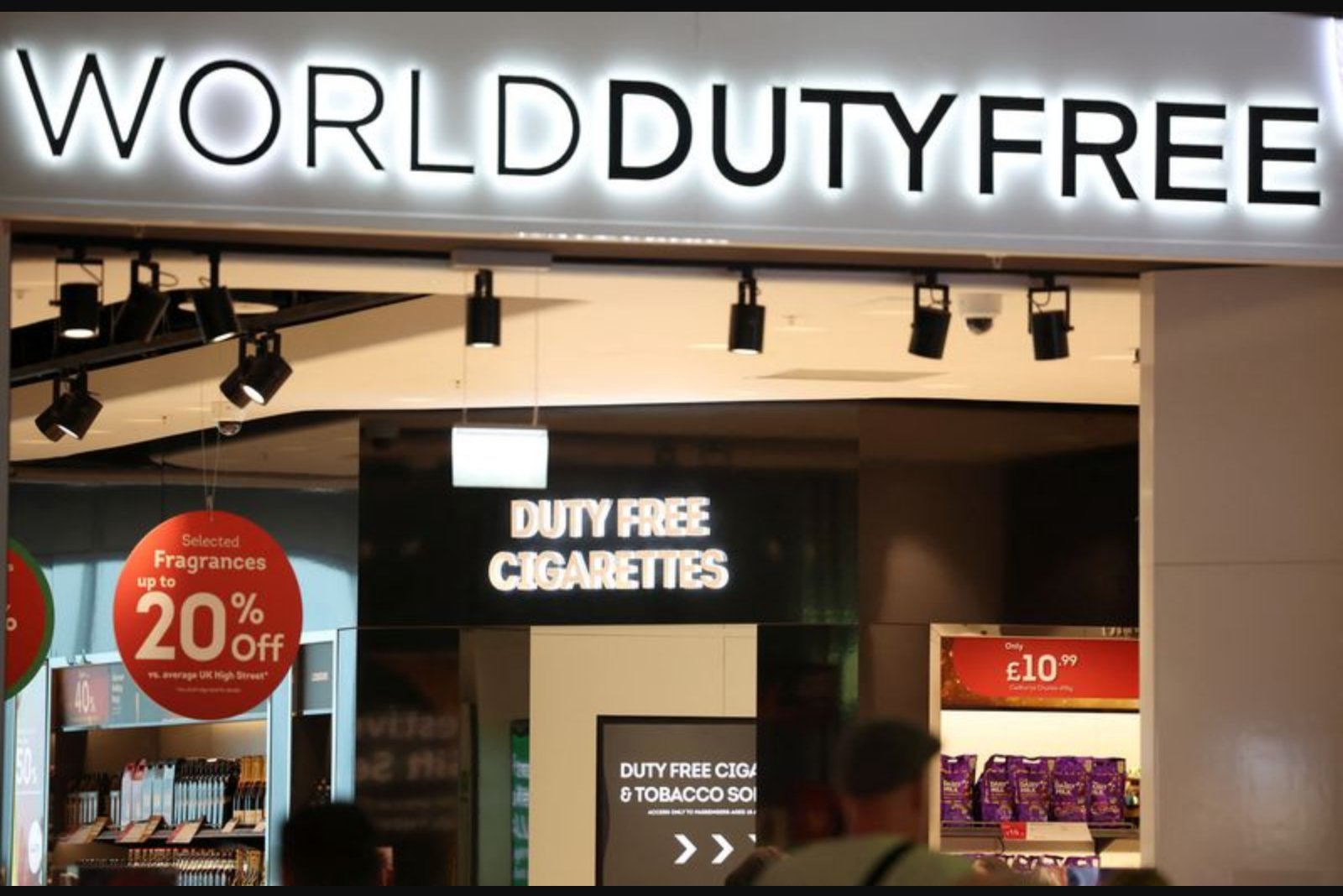
Airport duty-free and travel-retail channels that sell premium perfumes, spirits and other luxury goods are experiencing a notable slowdown as conflict in the Middle East closes hubs and curbs travel to the region. The disruption, now in its sixth week, underscores a vulnerability for luxury and prestige-beauty firms that have leaned on Gulf airports and other travel-retail locations - often among their highest-margin outlets - to prop up sales when demand in China and Europe softens.
Data show international flights to and from the Middle East plunged in the first half of March. Cirium figures cited that flight cancellations from the Middle East, excluding Turkey, fell from a peak of 65% on March 3 to 13% on March 27, even as the number of scheduled flights has declined. While some carriers in the United Arab Emirates have begun a gradual restart of services, overall operations remain well below typical levels.
Impact on luxury and beauty groups
Executives and analysts say even short-lived airport closures can drag on quarterly profits because travel-retail is a high-margin channel. LVMH’s Chief Financial Officer, Cecile Cabanis, told analysts that DFS - the duty-free arm - "is costing two (percentage) points of growth" for the group’s selective retailing division, which includes Sephora. LVMH also reported that the conflict trimmed at least 1% from group sales in the most recent quarter.
Similar effects are visible elsewhere in the sector. Kering said the conflict reduced overall sales by 3% in March, equivalent to about 1% for the first quarter, with a comparable impact at Gucci. Kering CFO Armelle Poulou noted that travel retail was slightly down versus the prior year and that "performance with local customers has been more resilient than tourism-related demand."
Analysts warn a prolonged slump in Middle East air traffic could compound pressures for travel-retail companies still recovering from the COVID-19 pandemic, squeezing underperforming businesses such as LVMH’s DFS and weighing on prestige-beauty names including Estee Lauder, Puig and L’Oreal.
Airport hubs and forced closures
Operators in the estimated $74 billion travel-retail industry have responded by shifting inventory and temporarily closing outlets in affected airports. Dubai International Airport - home to luxury concessions from the likes of L’Oreal’s Aesop, Kering’s Gucci and Estee Lauder’s Jo Malone - is running a reduced number of terminals after a drone attack forced a temporary closure. Kuwait International Airport has been shut following repeated drone strikes, stopping sales for airport outlets run by retailers including Avolta and Boots.
Avolta’s CFO Yves Gerster told Reuters the company, which gets about 3% of revenue from the Middle East, is redirecting stock from lower-performing locations to stores with more foot traffic. Gerster also noted that partly shuttered airports have sometimes seen stronger sales of food and other essentials from stranded travelers, citing Dubai as an example.
Exposure and investor watch
Some beauty houses are more exposed to travel-retail than others. Puig, for example, derives about a tenth of its sales from travel retail, making it particularly sensitive to swings in airport shopping and international travel patterns, analysts said. Investors are watching Estee Lauder’s quarterly results on May 1 closely; the company is in talks over a proposed $40 billion acquisition of Puig, and any travel-retail weakness could influence investor sentiment ahead of that announcement period.
L’Oreal has said its travel-retail business in Asia accounted for under 4% of the company’s roughly $44 billion in 2025 sales. The company does not publish an aggregate travel-retail sales number, though analysts have noted Asia represents the largest regional share of that channel. L’Oreal is scheduled to report quarterly results on April 22. Estee Lauder and L’Oreal declined to comment for this article. Puig was not immediately available for comment.
Outlook and market implications
Companies and analysts underscore that recovery to normal trading levels at luxury airport shops may take time. With Gulf hubs an important offset to softness elsewhere, even temporary disruptions can compress margins and dent growth in selective retailing divisions. The unfolding pattern of airport closures and route cancellations highlights immediate operational and revenue risks for travel-dependent luxury and beauty retailers, and could sustain downward pressure on their short-term performance if the conflict persists.