
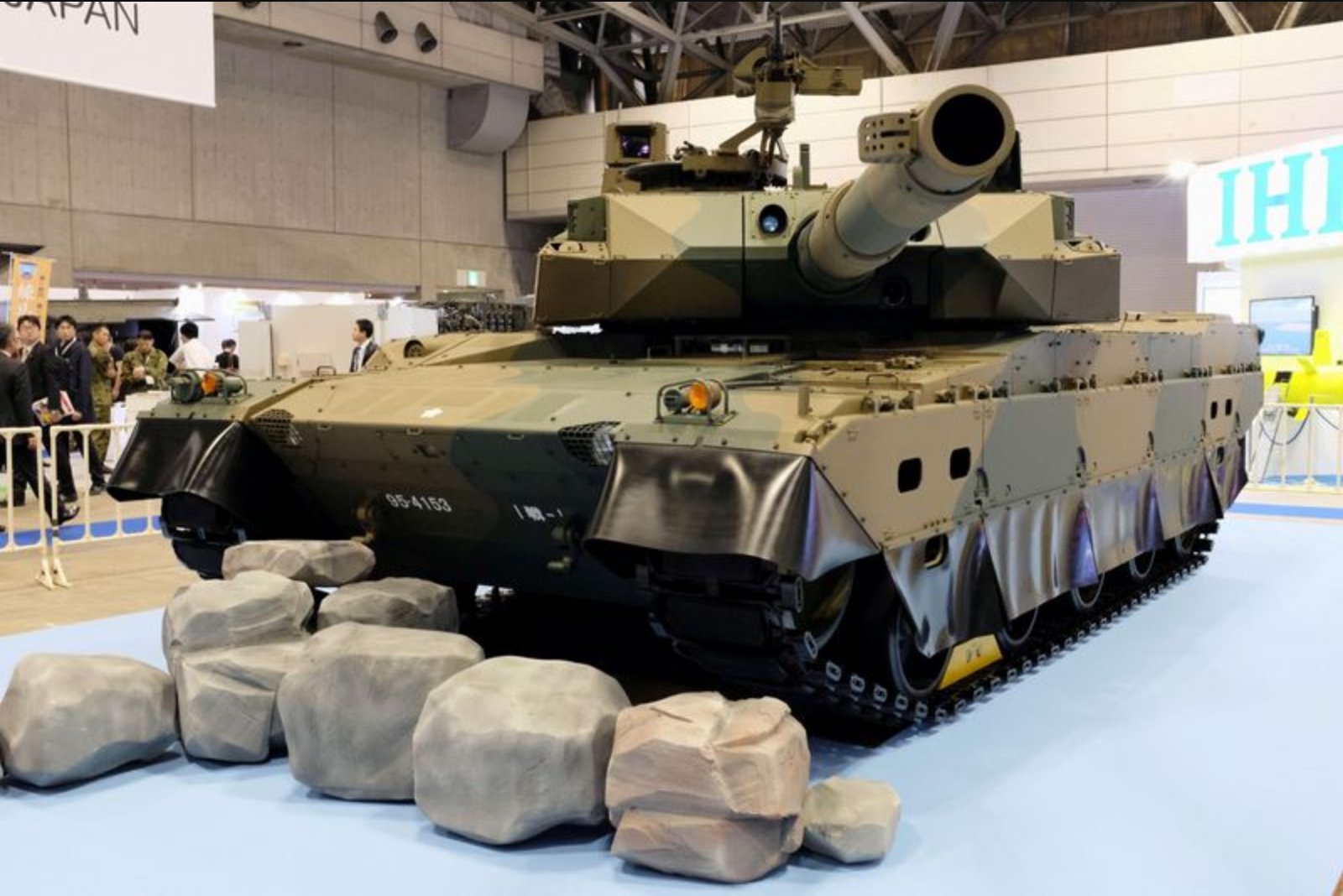
Japan's approach to arms exports has undergone a steady transformation since 2014 as Tokyo loosens long-standing postwar restraints and creates institutional channels for military cooperation and sales.
The shift began in 2014 when then-prime minister Shinzo Abe rescinded a near-complete prohibition on weapons exports that had been effectively in place since 1976. The revised rules permitted a limited range of transfers - including equipment for humanitarian assistance, items judged to contribute to Japan's security through international cooperation, and joint development efforts.
Key developments by year
- 2014 - The 1976-era near-blanket ban on arms exports was ended, allowing certain transfers for humanitarian assistance, international cooperation enhancing Japan's security, and joint development programmes.
- 2016 - The Philippines leased five used TC-90 trainer aircraft from Japan for maritime patrols over the disputed South China Sea, constituting the first meaningful military equipment transfer since the 2014 rule change.
- 2016 - In a setback for Japanese exporters, Australia rejected a Mitsubishi Heavy Industries-backed bid valued at $40 billion for advanced diesel submarines, instead selecting a rival French design.
- 2020 - Mitsubishi Electric completed a sale of newly manufactured defence equipment overseas, delivering air-surveillance radars to the Philippines; it was the first Japanese firm to do so under the newer export regime.
- 2022 - Japan joined Britain and Italy in the Global Combat Air Programme (GCAP) to build an advanced stealth fighter jet targeted for the mid-2030s - its first major defence co-development project that did not include the United States.
- 2023 - Tokyo established Overseas Security Assistance (OSA), a mechanism to provide military aid to like-minded countries in Southeast Asia and the Pacific; OSA deliveries have included patrol boats to Indonesia and Bangladesh, drones to Tonga and Sri Lanka, and radar systems to Djibouti and the Philippines.
- 2023 - Japan adjusted its 2014 export rules to allow equipment manufactured under licence to be resold to the country of origin, a change that enabled Mitsubishi Heavy Industries to supply Patriot air-defence missiles to the United States, indirectly supporting U.S. efforts to arm Ukraine.
- 2024 - Further revision permitted future overseas sales of the GCAP fighter, with the explicit caveat that exports to countries engaged in conflicts would remain prohibited.
- 2025 - Australia selected an upgraded version of Mitsubishi Heavy Industries' Mogami-class frigate in an $7 billion, 11-ship order to replace its ageing Anzac-class warships, representing Japan's largest-ever military export.
- 2025 - In December, Japan announced it would double OSA funding to nations, including some facing maritime pressure from China.
- 2026 - In April, Prime Minister Sanae Takaichi's ruling party recommended eliminating sales limits that had confined arms exports to five categories - transport, relief and rescue, early warning systems, surveillance and mine clearance - while maintaining a prohibition on exports to conflict zones except in extraordinary cases. The government is expected to approve the changes imminently.
Implications and institutional shifts
The cumulative effect of these measures is a gradual normalization of Japan as a supplier of defence equipment and an active partner in international defence projects. The creation and expansion of Overseas Security Assistance and participation in multinational development programmes reflect an institutional commitment to providing military-related support to regional partners under a controlled framework.
Transactions and outcomes have been mixed. Successful sales and co-development entries coexist with public procurment setbacks, as seen in Australia's 2016 rejection of a $40 billion submarine bid. Legislative and regulatory tweaks in 2023 and 2024 enabled licensed manufacturing arrangements and prospective GCAP exports, while safeguards against sales to conflict zones remain a clear boundary.
Outlook
Japan's policy trajectory shows an incremental loosening of export constraints alongside the establishment of mechanisms to channel support to partners in Southeast Asia and the Pacific. The government has moved from strict postwar constraints to a managed export posture that balances enabling defence industry participation abroad with stated limits on conflict-zone transfers.