
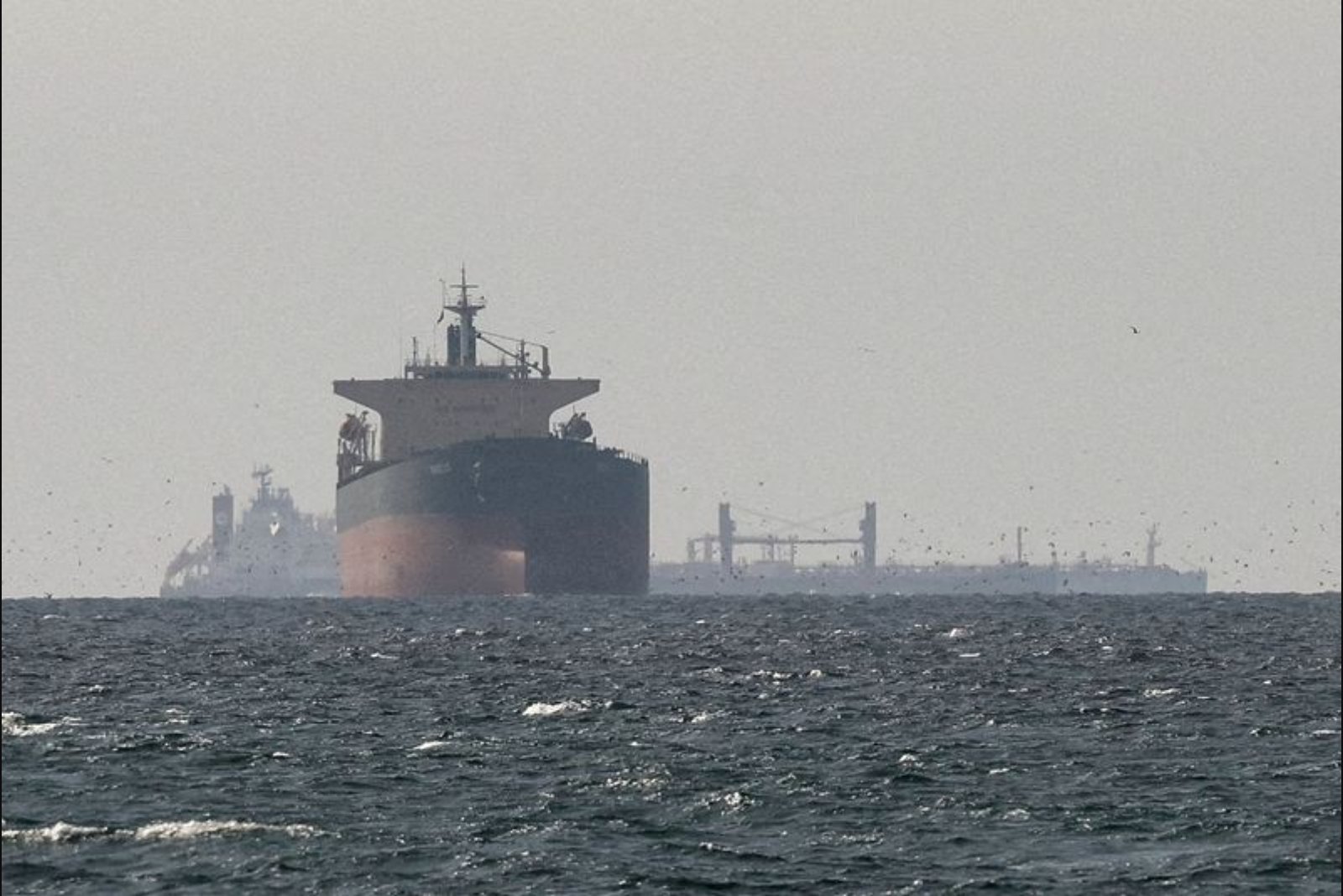
DOHA, April 15 - A consignment of Austrian spruce timbers meant for use on construction sites in Qatar has become emblematic of the trade dislocations now rippling across the Gulf after new military strikes on Iran forced an effective closure of the Strait of Hormuz.
What had been a routine logistics chain - timber shipped from Europe to Dubai’s Jebel Ali, transshipped to a feeder vessel and delivered to Qatar’s Hamad Port in roughly 45 days - has turned into a complex, costly detour that adds both time and expense to a commodity as basic as the two-inch by four-inch beam commonly used to support concrete and erect simple frames.
The shipment and its reroute
A building materials supplier in Qatar, who agreed to discuss the matter on condition of anonymity, said he had 17 containers of Austrian white wood on their way when U.S.-Israeli airstrikes were launched on Iran on February 28, marking an escalatory phase of Middle Eastern conflict. Each 40-foot container holds about 2,850 beams of spruce, with the timber cargo valued at about 15,000 euros per container - roughly $17,702 at the exchange rate cited.
The cargo departed the Croatian port of Rijeka as scheduled. Rather than proceeding to Jebel Ali in the UAE, the containers were diverted to Khor Fakkan on the UAE’s eastern coastline to avoid a transit through the Strait of Hormuz that would have been needed to reach Jebel Ali. From Khor Fakkan the timber was unloaded, trucked overland to Abu Dhabi and reloaded onto feeder vessels bound for Doha.
The supplier said the detour generated a significant surcharge - about $3,600 per container in his case - although some shippers quoted surcharges as high as $5,000 per container. That is more than three times the standard cost of transporting a 40-foot container of timber from Europe to Qatar before the disruption, according to the supplier’s account.
Even after being rerouted, the shipment had not reached Doha at the time the supplier spoke to reporters, and he expected delivery to take another one to two months.
Impact on prices and construction activity
White wood beams are not a strategic commodity, yet any interruption in their supply can slow construction projects and push up costs. The Qatari supplier said that before the recent conflict he would typically sell a standard 2x4 for about QAR 23-25 (roughly $6.30-$6.90). Additional freight and handling costs stemming from rerouting and extended transit times have lifted his asking price to approximately QAR 35-37 ($9.60-$10.20) per piece.
Looking ahead, the supplier said future consignments could command still higher prices depending on chosen routes. Routing timber via Saudi Arabia’s Red Sea port of Jeddah remains under consideration but would entail higher shipping tariffs plus overland trucking of roughly 1,500 kilometres across the Arabian Peninsula to reach Qatar - a further upward pressure on unit costs if implemented.
Broader supply-chain reverberations
Timber is one example among many goods being ensnared by the same disruption. The closure of traditional sea lanes through the Gulf has affected items ranging from medicines to basic foodstuffs. The anonymous supplier recounted that several containers of plywood he had ordered were loaded onto feeder vessels at Jebel Ali only to spend weeks at sea before being returned to port - a demonstration of how shippers can lose control of cargo once it is afloat.
Logistics companies report dramatic slowdowns and elevated costs for other categories of goods. Geodis had planned to fly medicines from the United Kingdom to Dubai in about four days; the company now expects the same shipments, reliant on combined land and sea routes, to take roughly 40 days. For a container of onions moving from India’s western coast to a Dubai warehouse, a journey that once took a week now stretches to about three weeks at double the cost, according to Ravi Punjabi, Managing Director at Avalon General Land Transport in the UAE.
Regional asymmetry in exposure
Not all Gulf states face the same degree of disruption. The United Arab Emirates benefits from ports on the Arabian Sea - including Fujairah and Khor Fakkan - that lie outside the Gulf and can be used as alternatives. Other countries that rely on Gulf transits and direct access through the Strait of Hormuz - notably Qatar, Bahrain and Kuwait - are more acutely affected.
Gulf governments have moved to coordinate measures to mitigate bottlenecks. Saudi Arabia’s Minister of Transport, Saleh bin Nasser Al-Jasser, announced coordination steps in a meeting with regional counterparts that include permitting empty refrigerated trucks from other Gulf states to enter the kingdom and establishing shared storage and redistribution facilities at King Abdulaziz Port in Dammam. Dubai has activated what it calls a green corridor with Oman, enabling goods diverted to Omani ports to be trucked to the UAE with expedited customs clearance and easing exports from the UAE via Omani terminals.
Despite these steps, logistics executives caution that flows into Dubai and onward to other Gulf capitals are likely to remain slower and more expensive than before the conflict. Such measures provide partial relief but do not fully restore previous transit efficiencies.
Price inflation and capacity constraints
Retail and industrial prices have already moved upward in parts of the region. Since the end of February, prices for food items, personal care goods and industrial supplies have increased by about 5% to 10% in some areas, with the potential for further rises if shipping disruptions continue.
Geodis executive Eric Martin-Neuville highlighted additional vulnerabilities in the cold chain for temperature-controlled medicines and foods. "You have only so many plugs for electricity, so you can only accommodate so many containers in the port," he said, pointing to physical limits on refrigerated handling capacity that can exacerbate supply risks when volumes spike.
Historical context within the trade routes
Shipment times for white wood have lengthened compared with recent norms. Prior to the latest disruption, a 45-day transit from Europe to Doha represented the typical schedule. Before the onset of Houthi attacks in the Red Sea in 2023, similar consignments had often taken around a month. Although the intensity of those attacks has eased, many shippers still opt for lengthy detours around the Cape of Good Hope.
In Qatar the supplier said he currently holds enough white wood for several months of demand, yet he faces the near-term task of placing new orders without clarity over which maritime and land corridors will remain practicable or what freight surcharges future consignments will attract.
What this episode signals
This single shipment of Austrian spruce is not a strategic commodity on its own, but the logistical story around it underscores a broader commercial reality: the effective closure of a key maritime chokepoint is amplifying costs, slowing deliveries and injecting uncertainty into supply chains for construction materials, perishables and medicines across the Gulf. Governments and logistics operators are deploying contingency routes and shared infrastructure to blunt the impact, but the alternatives remain costlier and slower, and the full trajectory of prices and lead times depends on how long current restrictions on maritime routes persist.