
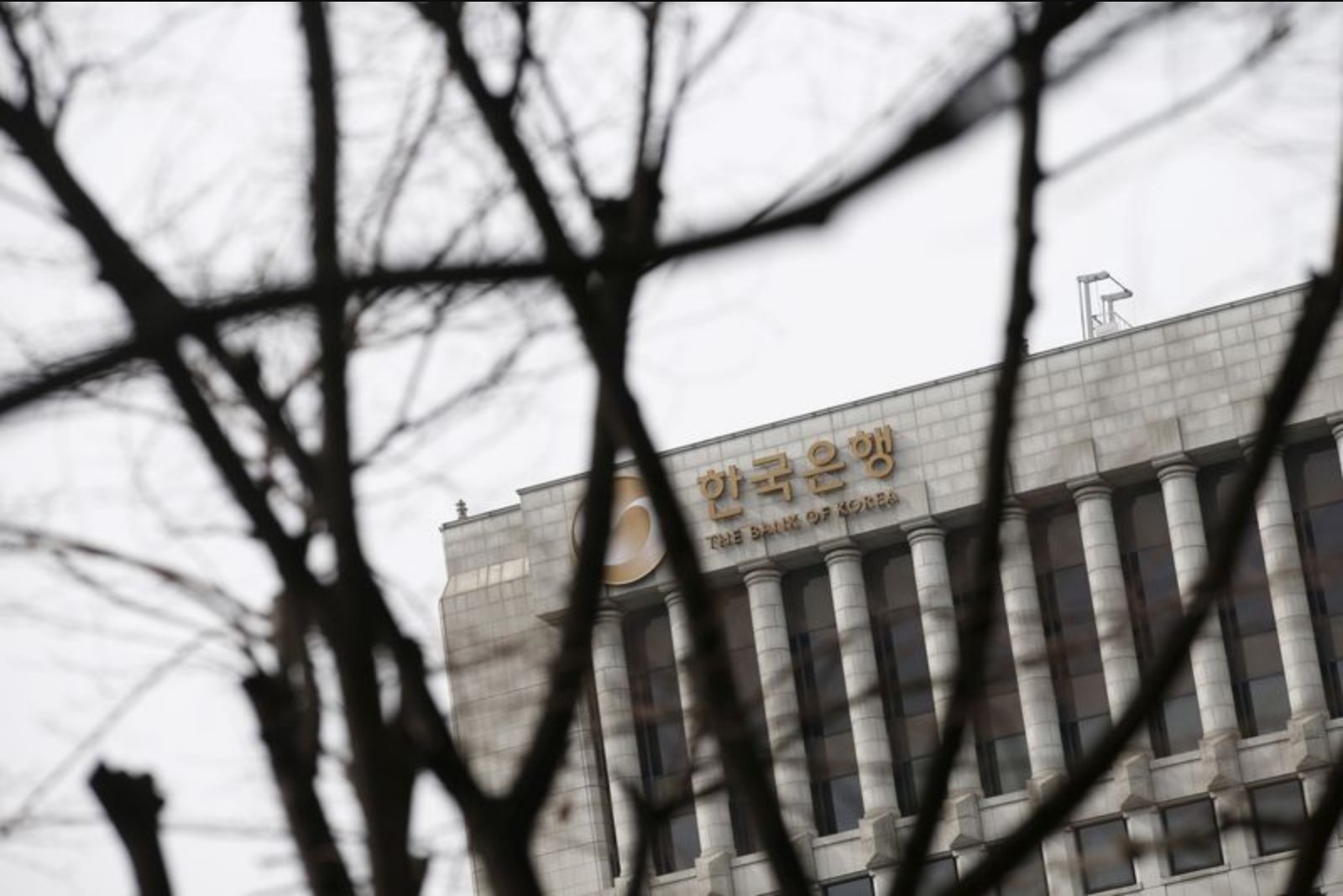
SEOUL, April 15 - Incoming Bank of Korea Governor nominee Shin Hyun-song signalled on Wednesday that the central bank could move to tighter monetary policy if supply-side shocks tied to the Iran war produce sustained inflationary pressure.
Speaking at a parliamentary confirmation hearing in Seoul, Shin told lawmakers that the unresolved crisis in the Middle East is likely to keep price pressures elevated. "A significant test is coming. Given the current situation where the Middle East crisis has not been resolved quickly, I believe price pressures will continue," he said when asked about policy direction.
Shin warned that prolonged pressure could influence expectations and underlying inflation, amplifying overall price growth. "If it persists for a long time, it gets reflected in inflation expectations and core inflation, and leads to overall inflation, then I believe monetary policy will certainly have a role to play," he added.
His comments arrive as Asia's fourth-largest economy contends with a mix of weaker growth and rising prices, a combination the nominee tied to the deeper-than-anticipated supply shock from the Middle East conflict. The central bank left its benchmark interest rate unchanged at 2.50% on April 10 in the last policy decision overseen by incumbent Governor Rhee Chang-yong, whose term ends on April 20.
When pressed on the trade-off between price stability and growth risks, Shin emphasised that price stability is the bank's foremost objective for securing steady economic expansion. He said inflation is "likely to accelerate" as import costs surge, underlining the upside risks to prices.
On currency policy, Shin moved away from a previously neutral posture. He warned against the "sharp weakening" of the won and said the central bank would step in if exchange-rate volatility became excessive.
The nominee's testimony highlighted two policy tools under consideration: conventional interest-rate tightening if inflation proves persistent, and direct market intervention to address disruptive moves in the currency. Beyond those potential actions, Shin's statements reflected the narrowing policy margin the Bank of Korea faces while the economy grapples with slower growth and higher import-driven inflation.
Context and implications
Shin's remarks underscore the central bank's focus on inflation expectations and core inflation as indicators that could trigger policy shifts. They also signal a willingness to actively manage exchange-rate swings to prevent abrupt currency-driven price pressures.