
Overview
Israeli and Lebanese envoys are scheduled to meet in Washington on Tuesday at 11 a.m. (1500 GMT), in what U.S. officials described as a direct, high-level discussion about the security of Israel's northern border and Lebanon's sovereignty. The meeting brings together Israel's ambassador to the United States, Yechiel Leiter, and Lebanon's ambassador, Nada Hamadeh Moawad, and is expected to be attended by U.S. Secretary of State Marco Rubio, a State Department official said.
The encounter is notable not only because formal ties between the two governments have long been subsumed by hostilities - they have technically been at war since the founding of Israel in 1948 - but also because it comes as Israel intensifies its campaign against Hezbollah and rejects calls for a ceasefire.
Context and competing agendas
The meeting arrives a week into what officials described as a fragile ceasefire involving the United States, Israel and Iran. That fragile pause in the wider regional conflict has not eased the parallel fighting between Israel and Hezbollah in Lebanon, a dynamic that has complicated third-party mediation efforts led by Pakistan.
Lebanon's government, led by President Joseph Aoun and Prime Minister Nawaf Salam, has publicly called for negotiations with Israel despite objections from Hezbollah, reflecting internal tensions between the state and the Iran-backed militia. Lebanese officials say Moawad is authorized only to discuss a ceasefire during Tuesday's session.
By contrast, Israeli officials have signalled that a ceasefire is not on the agenda. Israeli government spokesperson Shosh Bedrosian said on Monday that Israel would not negotiate a halt to its military campaign. In Bedrosian's words, "What we're looking for ... is to see that Lebanon is committed to disarming Hezbollah ... demilitarizing southern Lebanon as well, and also to have a peace agreement."
Human toll and combat losses cited by parties
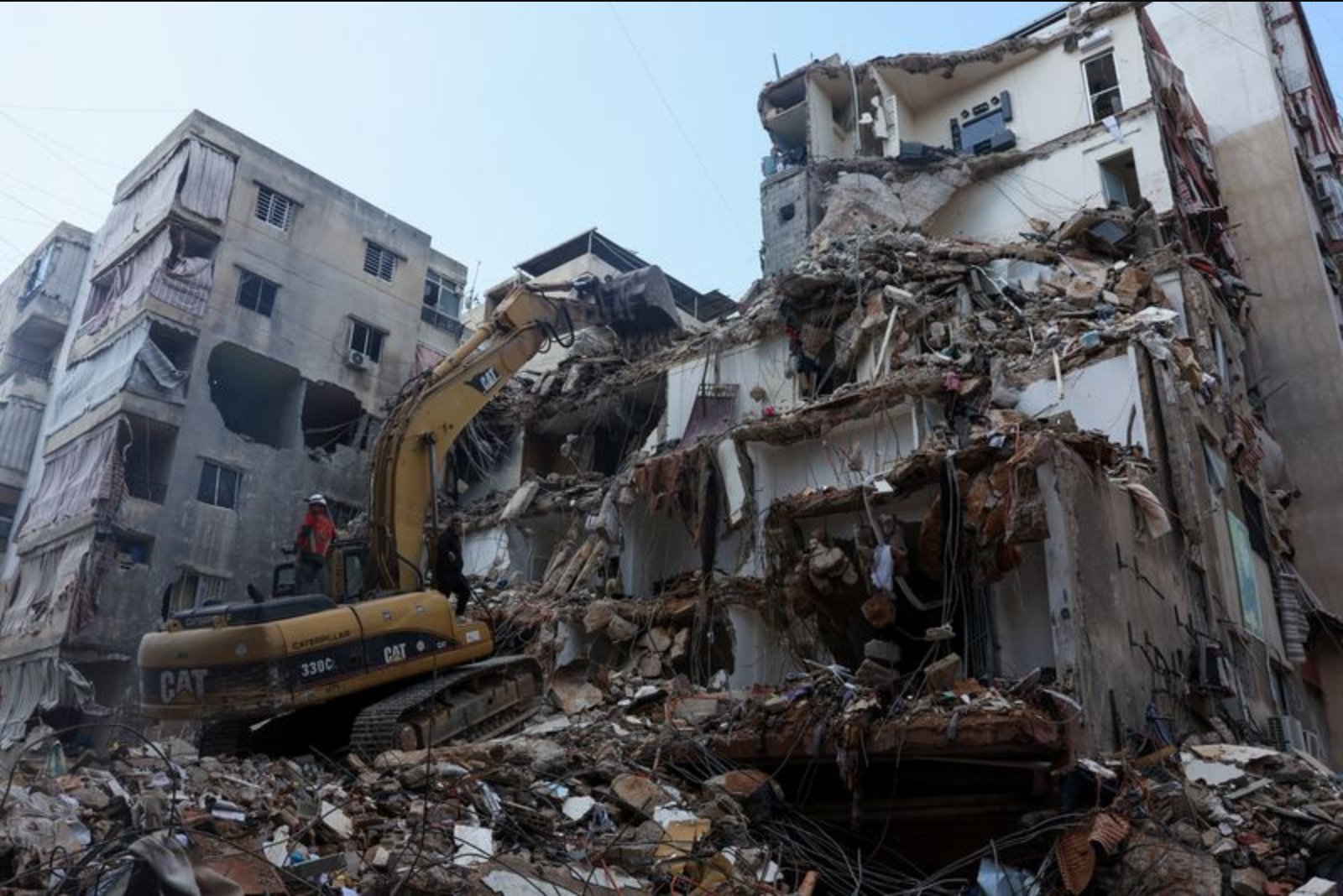
The confrontation has produced heavy casualties and displacement in Lebanon since Hezbollah opened fire in support of Tehran on March 2, prompting an Israeli offensive. Lebanese authorities reported that the offensive has killed more than 2,000 people and driven 1.2 million from their homes. The Lebanese health ministry has provided a breakdown, saying the dead include 252 women and 166 children.
In addition to civilian losses, sources familiar with the matter said on March 27 that more than 400 Hezbollah fighters had been killed. Israel reports that Hezbollah attacks have resulted in the deaths of 13 Israeli soldiers and two Israeli civilians since March 2.
Political pressures and internal Lebanese dynamics
Lebanon's central government has sought to reclaim authority over territory and political life, and officials have repeatedly stated a preference for peaceful disarmament of Hezbollah. The state has pursued such aims since a clash between the militia and Israel in 2024, and the present government recently moved to ban Hezbollah's military wing after it opened fire on Israel last month.
But attempts to force disarmament by coercive means carry risks. Lebanese leaders are acutely aware that any effort to disarm Hezbollah by force could ignite further conflict in a country already fractured by decades of civil strife. The article notes that earlier moves against Hezbollah by a Western-backed government in 2008 prompted a short civil war. Those historical patterns inform the cautious posture of Lebanon's civilian authorities even as they press for negotiations.
Military actions and diplomatic signals
While Israel has sustained operations in Lebanon, the government has not launched airstrikes in Beirut since last Wednesday, when it carried out a 10-minute barrage that killed hundreds across Lebanon. The day after that strike, U.S. President Donald Trump told NBC News that Israeli Prime Minister Benjamin Netanyahu had said he would "low-key it" in Lebanon.
A U.S. State Department official characterized the confrontation as a war between Israel and Hezbollah, not between Israel and the Lebanese state, and framed the Washington talks as a necessary channel. The official described the meeting as the first of its kind since 1993 and said it would "scope the ongoing dialogue about how to ensure the long-term security of Israel's northern border and to support the Government of Lebanon's determination to reclaim full sovereignty over its territory and political life."
Hezbollah's leadership, however, urged the Lebanese government to cancel the meeting. The movement's deputy leader, Naim Qassem, said on Monday that Hezbollah would continue to confront Israeli attacks on Lebanon.
What to watch at the meeting
Observers will be watching whether the Washington exchange narrows the gulf between what Lebanese officials are authorized to discuss and Israel's stated non-negotiable objectives. According to descriptions from officials, the Lebanese envoy's mandate is limited to ceasefire discussions, while Israeli officials have publicly reiterated demands for Hezbollah's disarmament and for demilitarization in southern Lebanon.
The talks take place against the backdrop of a wider regional truce framework and amid domestic political pressures in Beirut. The outcome of the meeting may help determine whether direct engagement can create a pathway for stabilizing the northern border and bolstering Lebanese state authority without escalating violence further.
Summary of key facts
- Meeting in Washington between Israeli envoy Yechiel Leiter and Lebanese envoy Nada Hamadeh Moawad scheduled for Tuesday at 11 a.m. (1500 GMT); U.S. Secretary of State Marco Rubio expected to attend.
- The encounter is rare and described as the first direct high-level talks of this kind since 1993 between representatives of governments technically at war since 1948.
- Lebanon's government seeks negotiations and has authorized its envoy to discuss a ceasefire; Israel has publicly ruled out ceasefire talks and demands Hezbollah's disarmament and the demilitarization of southern Lebanon.
- Casualty figures cited: more than 2,000 killed in Lebanon and 1.2 million displaced according to Lebanese authorities; within those deaths are 252 women and 166 children. Sources said more than 400 Hezbollah fighters have been killed as of March 27. Israel reports 13 soldiers and two civilians killed by Hezbollah attacks since March 2.