
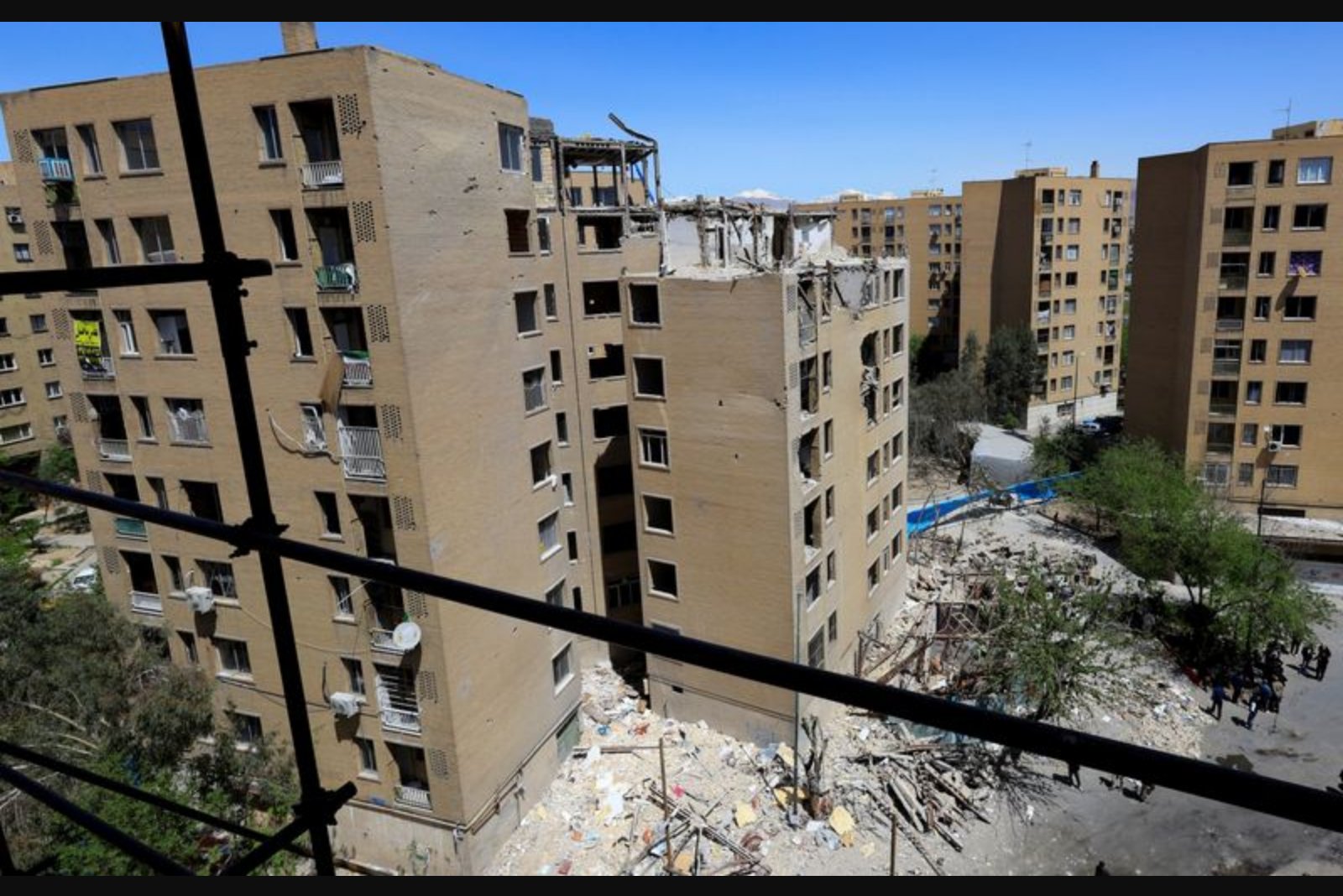
GENEVA, April 14 - International humanitarian organizations reported on Tuesday that they have begun sending emergency relief into Iran along overland corridors, including some of their first on-the-ground deliveries since strikes involving the U.S. and Israel started in late February.
Aid workers have described a high level of need following roughly six weeks of strikes, while stocks of emergency supplies that had been assembled in Dubai warehouses were unable to reach Iran as shipping and air routes were disrupted by the widening conflict.
Iranian authorities have said more than 3,000 people have been killed in Iran during the war, and the U.N. refugee agency estimates up to 3.2 million people have been displaced.
New routes and recent shipments
The International Federation of Red Cross and Red Crescent Societies (IFRC) reported dispatching a convoy from Turkey that included about 200 trauma kits, along with tents and blankets. IFRC spokesperson Tommaso Della Longa said the trucks crossed into Iran on Sunday and were due to arrive in the capital, Tehran, on Tuesday.
"For us it’s very important as it represents a new route for getting aid into Iran and we’re very optimistic to scale up," Della Longa said at a Geneva briefing. "Before it was very easy to take a flight or a boat and bring aid directly to Iran in a couple of hours."
Separately, the International Committee of the Red Cross (ICRC) said it had completed its first shipment to Iran since the conflict began, with five trucks arriving from Jordan on Monday and an additional nine expected later in the week.
The ICRC handed the supplies to the Iranian Red Crescent, which aid organizations say is the only humanitarian group operating across the whole of Iran. The Iranian Red Crescent reportedly has around 100,000 responders working in the response, four of whom have been killed in the conflict.
Needs and types of aid
Officials and aid workers emphasized that medical care is a primary need, alongside shelter and basic household items. The ICRC trucks were loaded with items such as buckets, blankets and mattresses intended to address the immediate needs of roughly 25,000 people, including those displaced by the fighting.
"Needs are high, medical needs in particular, but also the psychological toll on people is immense," Della Longa said in a statement. "Our partners at the Iranian Red Crescent have been providing psychological care in addition to the work they did throughout, literally digging people out of buildings."
Diplomatic context
Following the collapse of weekend negotiations aimed at ending the war, sources said negotiating teams from the U.S. and Iran could return to Islamabad this week to resume talks. Aid agencies and humanitarian responders say the establishment of reliable overland corridors is crucial while air and maritime access remain constrained.
Humanitarian organizations plan to expand deliveries through the newly used routes if conditions allow, with officials expressing cautious optimism about scaling up shipments to reach populations in need across Iran.