
Economy April 14, 2026 10:45 AM

Griffin: Extended Closure of Strait of Hormuz Could Trigger Global Recession

Citadel chief warns that halted energy flows from the Middle East would create a global energy shock and widespread economic strain within months

By Nina Shah
Griffin: Extended Closure of Strait of Hormuz Could Trigger Global Recession

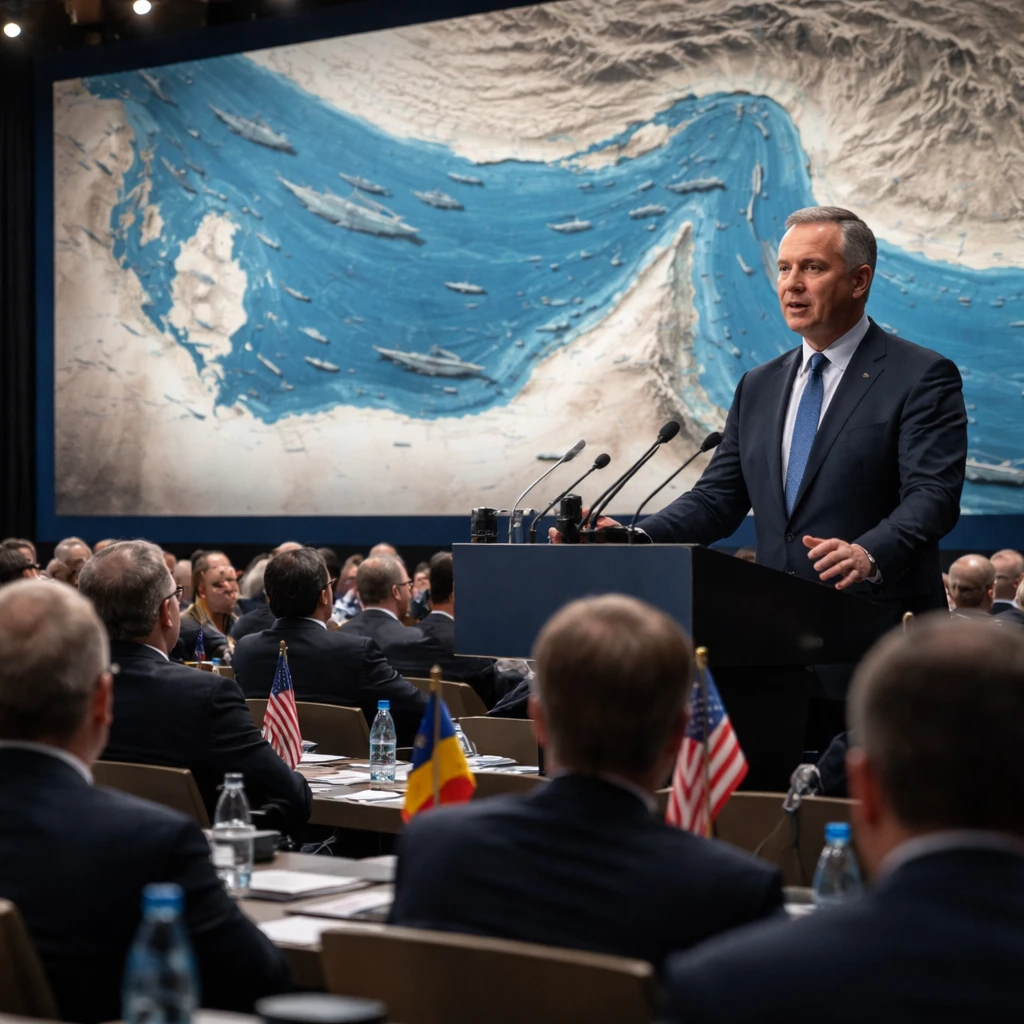
Citadel CEO Ken Griffin told the Semafor World Economy Forum that a sustained shutdown of the Strait of Hormuz could tip the global economy into recession within six to 12 months. He framed the situation as a severe energy-price shock, stressed the need to restore uninterrupted energy flows from the Middle East, and commented on geopolitical and domestic pressures including the resiliency of Iran’s military, U.S.-European coordination, household affordability, and workforce anxiety tied to artificial intelligence. Griffin also reaffirmed support for Federal Reserve independence.

Key Points

  • A prolonged closure of the Strait of Hormuz could induce a global recession within six to 12 months - impacting global growth and financial markets.
  • An unfolding energy-price shock is central to current market risks, with energy and shipping sectors directly affected.
  • Domestic U.S. pressures - affordability for households and worker anxiety from AI-driven change - compound economic stress, while Fed independence is cited as crucial for long-term stability.

Ken Griffin, the chief executive of Citadel, warned Tuesday that if the Strait of Hormuz remains closed for an extended period the world could be driven into a recession within six to 12 months. Speaking at the Semafor World Economy Forum, Griffin characterized the moment as "a very, very treacherous moment for the world economy."

His central concern for global financial markets, he said, is the restoration of energy product flows from the Middle East that are free from tolls or harassment. Griffin argued that the interruption of such flows is producing an energy-price shock that is unfolding across global markets.

"We have a classic energy price shock unfolding across the world as we speak," Griffin said.

On the wider geopolitical front, Griffin described the war in Iran as one of the most consequential geopolitical events of our lifetime. He observed that while the U.S. military has effectively destroyed every Iranian target that can be struck from the air, Iran’s military remains intact and has shown resiliency.

Griffin urged a more forceful diplomatic push by the United States alongside European partners, saying the U.S. should have worked more aggressively with Europeans to form a united front for peace in the Middle East. He framed such coordination as relevant to calming markets and restoring reliable energy movement.

Turning to U.S. domestic matters, Griffin said affordability continues to weigh on American households. He linked rising unease to technological change, noting that developments in artificial intelligence are creating anxiety and a stressful environment for the American worker.

Finally, Griffin affirmed that the independence of the Federal Reserve serves the long-term interests of the American people. His remarks tied central bank credibility to the economic stability needed to manage shocks arising from both geopolitical disruptions and domestic pressures.


Context and implications

  • Griffin framed energy supply disruption through the Strait of Hormuz as the primary near-term risk to global growth.
  • He highlighted the interplay between geopolitical conflict in the Middle East and market stability, pointing to resilient Iranian military capability despite U.S. strikes.
  • Domestic vulnerabilities cited include household affordability pressures and workplace stress tied to AI-driven change, alongside a call to preserve central bank independence.

Risks

  • Prolonged shutdown of energy flows through the Strait of Hormuz raising the risk of a global recession within six to 12 months - affecting global growth and financial markets.
  • An energy-price shock stemming from disrupted Middle East flows - creating volatility for energy and commodity markets and pressure on inflation and consumer spending.
  • Sustained geopolitical tension due to the resiliency of Iran’s military could prolong conflict and hinder efforts to restore uninterrupted energy shipments - affecting regional stability and market confidence.

More from Economy

BoE governor flags serious cyber threat from new Anthropic AI model, urges rapid regulatory assessment Apr 14, 2026 U.S. to Activate Centralized Tariff Refund Platform on April 20 Apr 14, 2026 Stocks Hold Ground Despite Higher Oil, Rising Yields and Fewer Rate Cuts Expected Apr 14, 2026 Eurozone stagflation remains a risk but not yet a reality, Eurogroup chair says Apr 14, 2026 IMF Lowers Global Growth Forecast, Flags Iran Conflict and Oil Price Risk Apr 14, 2026