
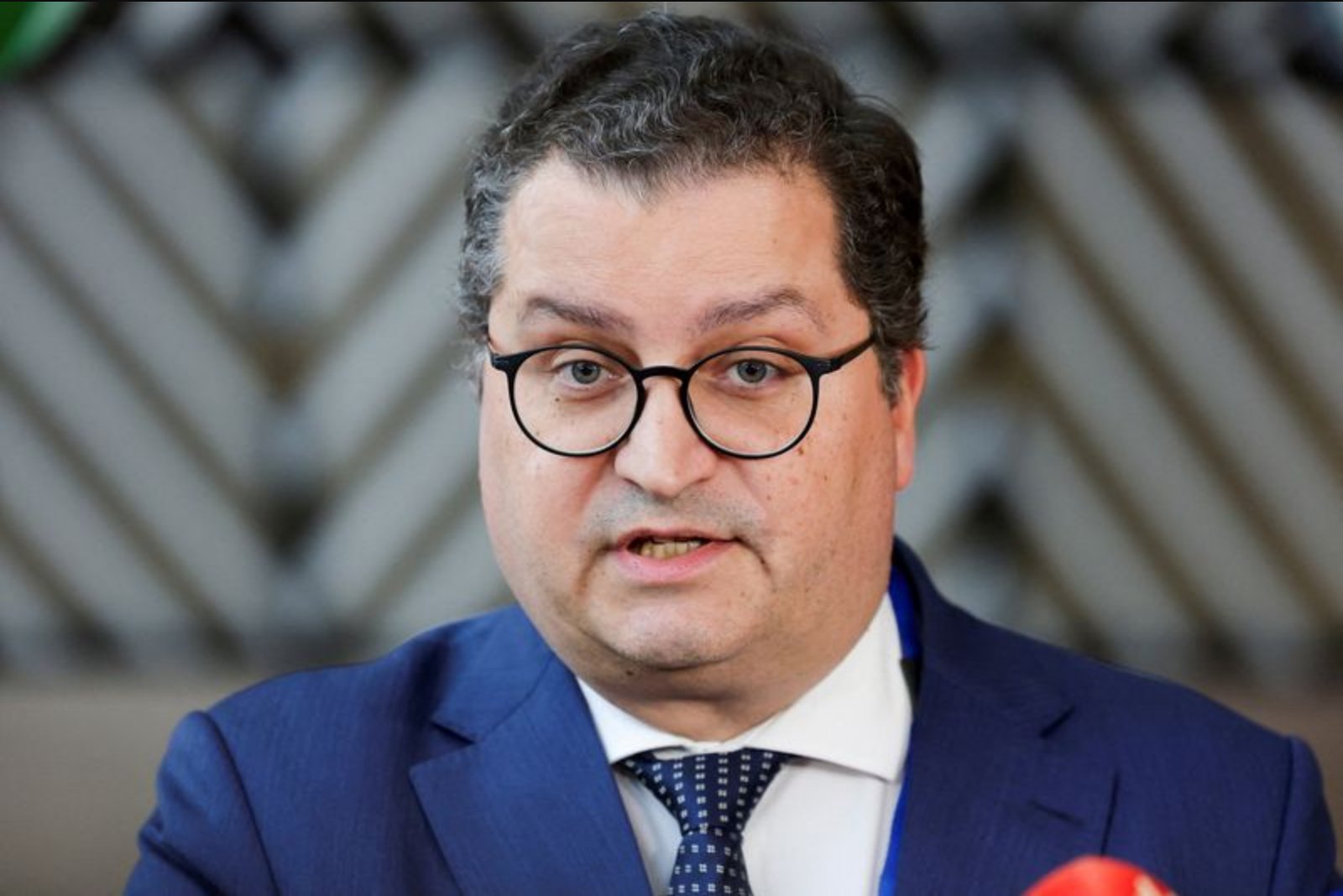
Portugal faces the prospect of a limited budget shortfall as the government responds to the twin shocks of severe winter storms and an energy price spike linked to the Iran war, Finance Minister Joaquim Miranda Sarmento said on Tuesday. While the central projection remains a balanced budget, he acknowledged there is a risk that additional support measures could produce a small deficit.
Speaking to Antena 1 radio, Sarmento said any deficit should be restrained and capped at 0.5% of GDP in order to preserve the country’s appeal to investors and maintain access to inexpensive financing. He stressed that protecting Portugal’s image in financial markets is important for attracting investment and securing cheap funding.
The government had earlier forecast that the budget surplus would narrow to 0.1% of GDP this year from about 0.3% of GDP in 2025, marking what would be Portugal’s fourth consecutive surplus. Surpluses have been relatively uncommon across the euro zone, where deficits are more typical.
Sarmento reiterated the administration’s commitment to reducing public debt in spite of temporary one-off costs, saying that "once those one-off effects have passed, it would return to budgetary balance." He also said "there is a risk of a small deficit" as higher spending is required to respond to recent events.
Among the fiscal pressures are large reconstruction needs and emergency support rolled out after Storm Kristin in late January. The government has estimated more than 4 billion euros in direct reconstruction costs and has already deployed 2.5 billion euros in loans and incentives in response to the storm.
The finance minister has previously warned that 2026 would be "a very difficult year" because 2.5 billion euros in EU recovery loans will be treated as budget expenditure, in contrast to the prior year when only grants were used.
Lisbon has also proposed a temporary diesel fuel subsidy targeted at key sectors, including agriculture and transport, to mitigate fuel cost increases linked to the war in Iran. That subsidy is expected to cost up to 450 million euros over a three-month period. The government’s figures sit alongside the euro-dollar conversion used in official statements: $1 = 0.8474 euros.
Sarmento framed the 0.5% cap as a precautionary limit: "To protect the country and preserve the country’s good image, which allows us to attract investment and cheap financing, I believe it is important that this 0.5% threshold is never exceeded."
In short, Lisbon is balancing emergency relief and reconstruction efforts with a deliberate aim to limit any temporary deterioration in its public finances and to return to budgetary balance after these exceptional costs have been absorbed.