
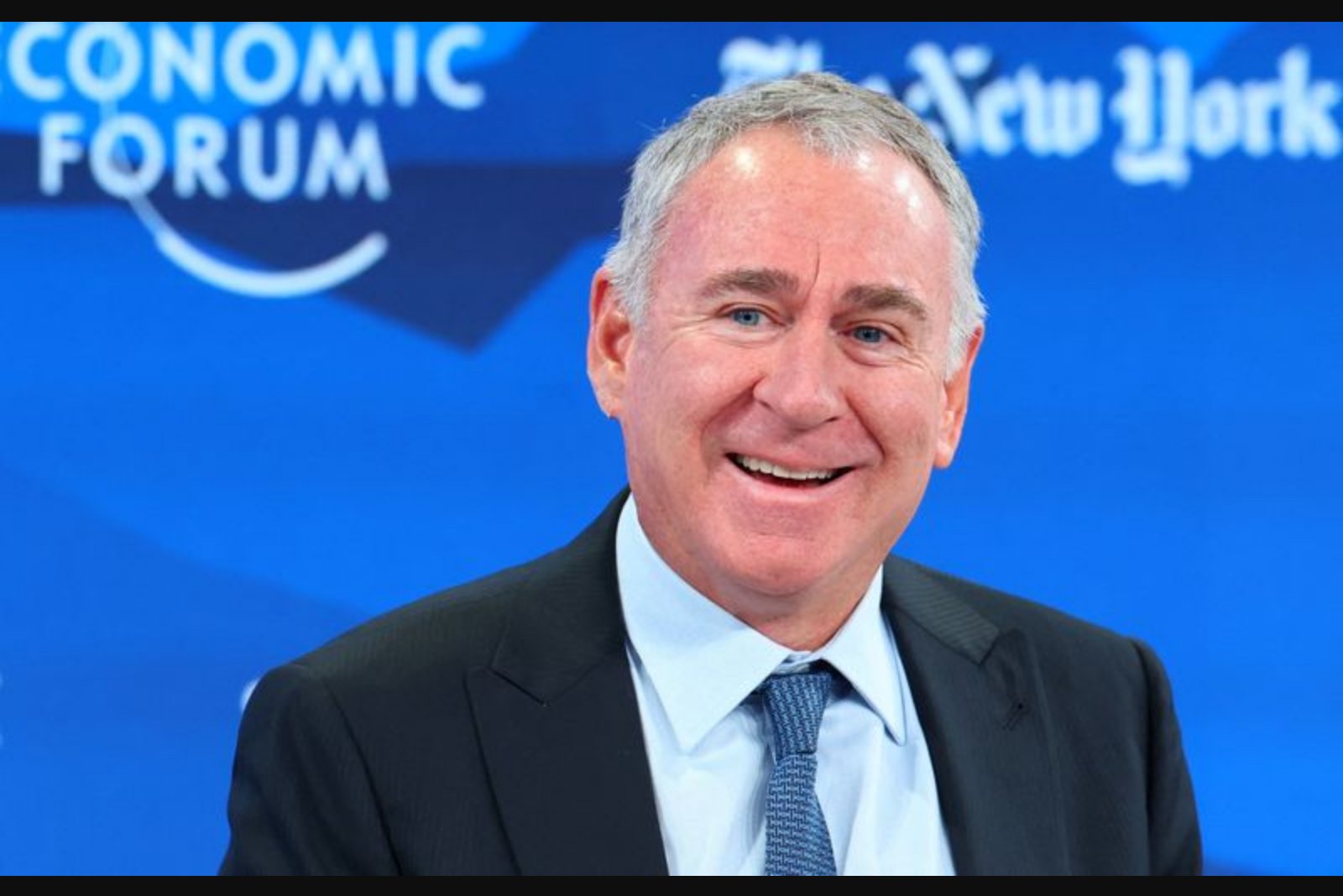
In remarks delivered at the Semafor World Economy Forum, Citadel chief executive Ken Griffin on Tuesday issued a stark warning about the economic fallout that could follow a sustained shutdown of the Strait of Hormuz. "This really is a very, very treacherous moment for the world economy," Griffin said, arguing that the continuity of energy shipments from the Middle East is a fundamental macroeconomic requirement.
Griffin emphasized that, from a global macroeconomic standpoint, "the key criteria is the resumption of the continued flow of energy products from the Middle East without tolls, without harassment." He warned that if the strait "remains shut down for all intents and purposes...for the next six to 12 months, the world’s going to end up in a recession."
His comments linked the physical security of a critical maritime chokepoint to broad economic stability, reflecting concerns about how interruptions to oil and other energy product flows can ripple through growth, inflation, and market functioning.
The Citadel founder also addressed U.S. military action against Iran. Griffin, "who has backed Republican politicians and said he voted for President Donald Trump in 2024," spoke on the strikes that took place about six weeks earlier. He noted that many observers were surprised by the degree of resilience he believes the Iranian military demonstrated in the face of concentrated American air strikes, asserting that the Iranian military "is still very much intact."
On the effectiveness of the strikes, Griffin said: "We have effectively destroyed every single target you can strike from the sky." He added a consequential caveat, saying the effects might have been worse if action had been postponed. "Despite what we’re seeing today, if it had happened later, it could actually be much worse," he said, and described President Trump as having made a "very difficult decision about what to do right here, right now. The history has been forever changed."
The White House did not immediately respond to a request for comment on his remarks.
Context and implications
Griffin tied the immediate risk to a single operational condition: unobstructed, harassment-free maritime transit of energy from the Middle East. He drew a direct line between a prolonged closure of that transit route and the onset of a global recession within a six- to 12-month horizon, stressing the urgency of restoring normal flows.
The comments combined macroeconomic concern with a strategic appraisal of recent military action and its timing, noting both the damage reportedly inflicted from air strikes and the continued operational capacity of Iran’s armed forces.
Note: This article reports remarks made by a private-sector executive at a public forum and a request for comment to the White House that had not received an immediate response.