
Summary
The International Monetary Fund cautioned that the ongoing war in the Middle East is amplifying risks to global financial stability by generating inflationary pressures that could tighten funding markets. Such tightening, the IMF said, may place stress on banks and a range of non-bank financial institutions, including private credit lenders and borrowers connected to artificial intelligence investments.
Market moves since February
In its semiannual Global Financial Stability Report, the IMF noted that since February global equity prices have fallen about 8 percent while sovereign bond yields have climbed sharply. The shift in market pricing has been driven largely by a jump in energy costs and the emergence of higher inflation expectations, the fund said.
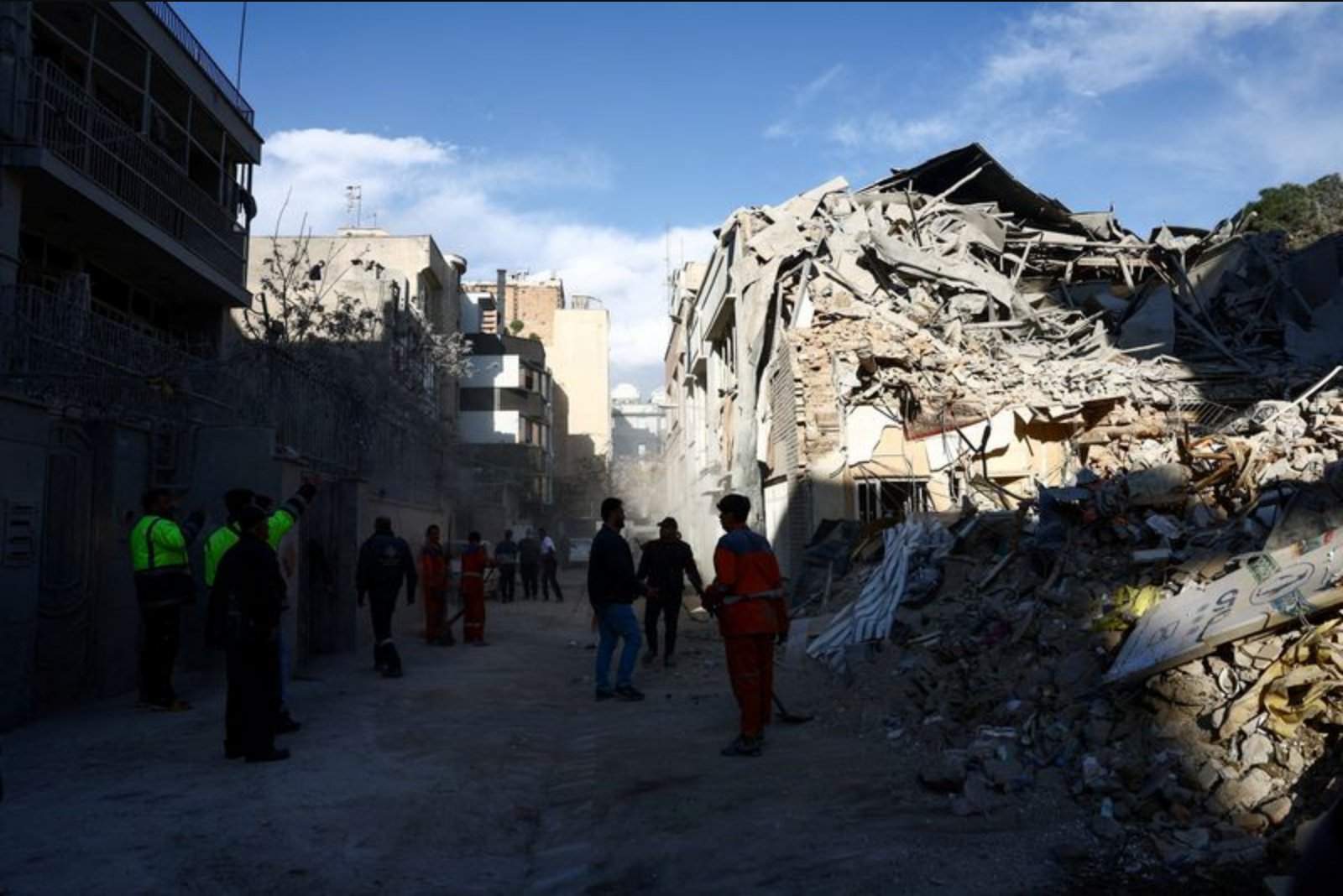
The conflict, which prompted Iran to close the Strait of Hormuz, has contributed to spikes in oil prices. At the same time, bond market volatility reflects rising debt-to-GDP ratios and an increased reliance on short-term securities, which are particularly susceptible to rollover risk when inflation is rising. The IMF warned that those dynamics could prompt funding markets to tighten - a pattern that has precipitated broader market turmoil in prior episodes.
Asymmetric risks and potential transmission channels
The fund stressed that markets have so far adjusted in an orderly fashion, but that risks are asymmetric. The IMF cautioned that the longer the conflict persists, the greater the chance that global financial conditions - previously very accommodative before the outbreak of the war - could snap tighter and more abruptly.
The report laid out several pathways through which funding stress could escalate into systemic instability. One channel is through sharp sovereign bond losses that weaken bank balance sheets and at the same time reduce governments' fiscal capacity to support troubled lenders. Another is an abrupt tightening in financial conditions that forces leveraged investors - including nonbanks, option sellers and entities heavily reliant on leverage such as hedge funds and leveraged exchange-traded funds - into fire sales, potentially producing outsized losses.
The IMF highlighted that hedge fund exposure to interest rate derivatives and sovereign bonds has more than doubled since 2020, reaching over $18 trillion by 2025. Those concentrated positions could magnify market moves if conditions deteriorate.
“Vulnerabilities only get triggered when you have a shock, and the war in the Middle East is really the shock that is unfolding,” said Tobias Adrian, director of the IMF’s monetary and capital markets department, in an interview, underscoring how the conflict is serving as the proximate trigger for the vulnerabilities the report identifies.
Private credit and AI-linked borrowers
The IMF singled out the $3.5 trillion private credit sector for caution, noting that signs of rising borrower defaults in that market could spill over into broader corporate credit concerns. The private lending market has grown in popularity among companies seeking bespoke debt and investors searching for higher yields. However, strains have appeared in the sector since the middle of last year.
Several large managers - Blue Owl Capital, Ares Management, Apollo Global, Blackstone, and KKR - have limited redemptions from private credit funds as investor nervousness has risen. The IMF said that to date the turbulence seems limited and could have a contained systemic impact, but it also observed that investors are accelerating redemptions amid worries about deteriorating credit quality.
The fund also warned that an extended conflict could materially slow investment in artificial intelligence, which has been an important growth driver. A slowdown in AI deployment could weigh on firms within the AI ecosystem, particularly those that depend on circular financing arrangements.
Policy recommendations
To reduce the chance of market dysfunction, the IMF urged policymakers to prepare and be ready to activate liquidity and funding facilities. On monetary policy, the fund advised that the priority should remain price stability, and that authorities should closely monitor whether actual inflation starts to feed into inflation expectations.
Fiscal policy advice from the IMF focused on tightening to place public debt on a more stable trajectory, while directing any new spending toward groups most vulnerable to the inflation shock. These measures, the IMF said, would help preserve market confidence and support stability if conditions worsen.
Conclusion
The IMF’s assessment frames the Middle East conflict as a current shock that has already affected market prices and could, if prolonged, expose a range of financial sector vulnerabilities. The fund recommends readiness on both liquidity provision and core policy stances to limit the chance that the initial inflationary impulse evolves into broader financial instability.