
Commodities April 14, 2026 10:52 AM

IEA Head Warns Iran Conflict Will Reconfigure Global Energy Trade

Fatih Birol says nations will reassess partners and add risk premiums after Strait of Hormuz disruption

By Marcus Reed
IEA Head Warns Iran Conflict Will Reconfigure Global Energy Trade

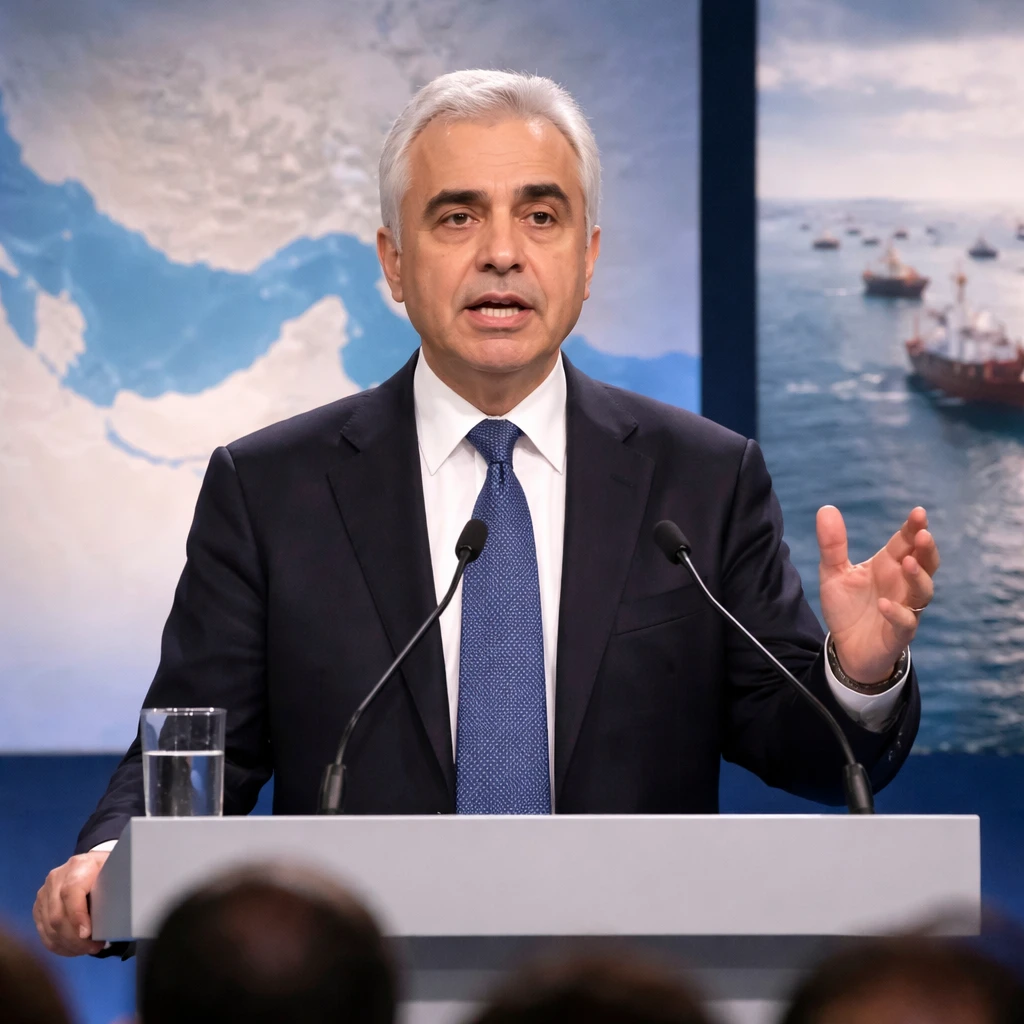
International Energy Agency Executive Director Fatih Birol warned that the conflict involving Iran will change the structure of global energy flows, prompting countries to re-evaluate trading partners, factor in reliability and add risk premia. He compared the likely transformation to the disruptions of the 1970s and the post-2022 shift in energy investment patterns.

Key Points

  • The Iran conflict will produce a fundamental restructuring of global energy trade, according to IEA Executive Director Fatih Birol, who said pre-crisis arrangements will not simply resume after the Strait of Hormuz reopens - sectors impacted include oil markets, shipping and energy trading.
  • Countries are expected to add risk premiums to energy trade based on potential disruptions and the possibility that suppliers could use energy as leverage - this affects energy suppliers, importers, and logistics providers that manage tanker and pipeline flows.
  • The IEA confirmed readiness to act on supply support after member countries agreed last month to release 400 million reserve barrels of oil, while stressing that releases are temporary and that market pressures may intensify in April as remaining pre-conflict tankers reach destinations.

The Iran conflict will force a lasting change in how energy is bought and sold around the world, International Energy Agency (IEA) Executive Director Fatih Birol said Tuesday at the Semafor World Economy forum. He cautioned that markets will not simply revert to pre-crisis trade arrangements once the Strait of Hormuz reopens, following a US blockade of Iranian ports this week.

Birol framed the expected market realignment as a structural shift, likening it to earlier seismic episodes in the energy sector. He cited the 1970s energy shocks - which prompted an expansion of nuclear power and altered the auto sector - and the impacts of Russia's 2022 invasion of Ukraine, which led to a faster move toward renewables. In Birol's assessment, the current situation will trigger similarly far-reaching adjustments.

Central to the coming changes, Birol said, will be a greater emphasis on energy security. Governments and companies are likely to price in additional risk when choosing trade partners - accounting for the possibility of interruptions and whether a supplier could employ energy as a geopolitical lever. He underscored the importance of partner reliability in future contracting and supply strategies.

"Trustworthiness [and] predictability will be very important in the energy trade and energy security,"

Birol added:

"Which trade partners we are going to use will be a major, major chapter in the energy business."

The IEA director also addressed emergency market responses. He noted that IEA member countries agreed last month to release 400 million reserve barrels of oil and said the agency remains ready to move quickly to support supplies if necessary. He indicated that discussions on such measures are ongoing.

At the same time, Birol warned that coordinated oil releases are a stopgap, not a long-term solution. He suggested that April will present greater challenges for global energy markets than March, as the remaining tankers that transited the Strait of Hormuz before the conflict make their final deliveries.


From a logistics and freight perspective, Birol's remarks point toward reshaped shipping lanes, altered supplier-customer relationships, and renewed premium pricing for reliability - developments that will influence trading firms, transportation operators and downstream energy consumers as they reassess counterparty risk and routing decisions.

Risks

  • Supply disruptions and the potential use of energy as a geopolitical tool could increase volatility in oil markets and shipping routes - impacting oil companies, freight operators and fuel-dependent industries.
  • Temporary oil stock releases may not stabilize markets long-term, and the IEA warned that April could be more difficult than March as final tankers from before the conflict arrive - creating uncertainty for traders and refiners reliant on those shipments.

More from Commodities

Carney prioritizes cost of living, housing and infrastructure after Liberal majority; suspends fuel tax temporarily Apr 14, 2026 U.S. to Let 30-Day Iran Oil Waiver Lapse as Maritime Blockade Remains in Place Apr 14, 2026 Gunvor’s 2025 Net Profit Plunges 85% During Employee Buyout Year Apr 14, 2026 U.S. Solar and Wind PPA Prices Jump Sharply in Q1 Amid Permitting and Labor Strains Apr 14, 2026 US-Blacklisted Tanker Reverses Course After Emerging from Strait of Hormuz Apr 14, 2026