
Economy April 14, 2026 11:10 AM

IMF nudges up Russia 2026 growth forecast to 1.1% on oil price boost

Higher commodity prices tied to Middle East tensions lift IMF outlook despite sanctions, tight policy and war spending weighing on the economy

By Marcus Reed
IMF nudges up Russia 2026 growth forecast to 1.1% on oil price boost

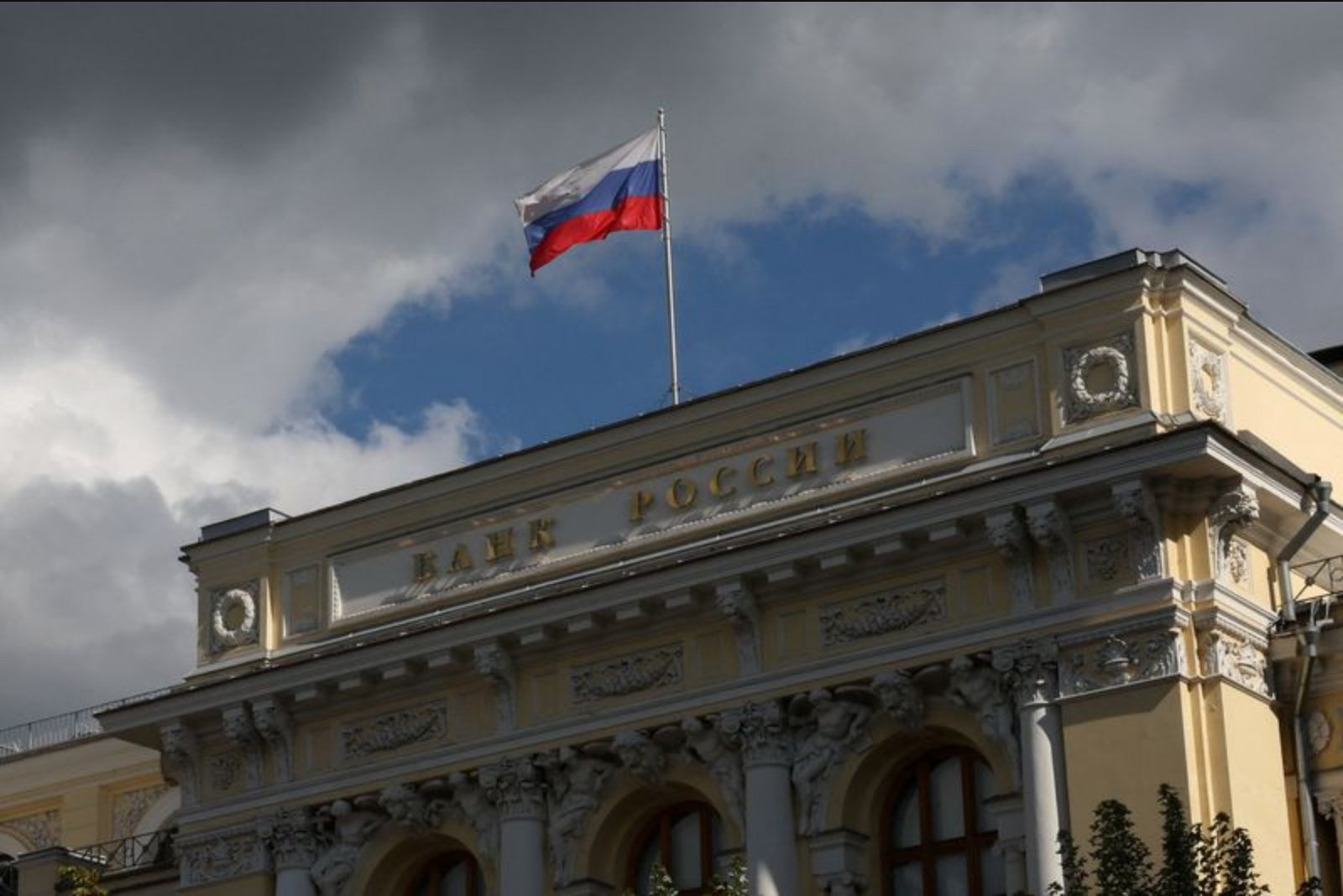
The International Monetary Fund raised its projection for Russia's economic expansion in 2026 to 1.1% from 0.8%, citing stronger oil and commodity prices after disruptions to maritime oil routes. The IMF said momentum should carry a similar pace into 2027, even as the economy faces headwinds from tight monetary policy, Western sanctions and wartime spending.

Key Points

  • IMF raised Russia's 2026 GDP forecast to 1.1% from 0.8% due to higher oil and commodity prices.
  • The IMF expects the same 1.1% growth rate to hold in 2027, according to its World Economic Outlook.
  • Headwinds include tight monetary policy, Western sanctions and war-related government spending; oil price gains have improved near-term prospects.

The International Monetary Fund has increased its estimate for Russia's economic growth in 2026 to 1.1%, up from an earlier 0.8% projection, attributing the upward revision to firmer prices for oil and other commodities following a crisis in the Middle East.

In its World Economic Outlook, the IMF said that higher commodity prices account for a 0.3 percentage point upward adjustment in the 2026 forecast compared with its January outlook. The fund also projected that Russia would register another 1.1% growth rate in 2027, indicating the same momentum would continue into the following year.

The report comes after a pronounced slowdown in 2025, when growth decelerated to roughly 1% from 4.9% in 2024. The IMF and the report highlight several domestic and external factors restraining the economy: the central bank's tight monetary stance, the impact of Western sanctions, and fiscal pressure tied to spending on the war in Ukraine.

Russia's economic fortunes shifted when oil prices moved higher after Iran blocked the Strait of Hormuz - a key artery for global oil shipments - in response to U.S. and Israeli airstrikes that began on February 28. Oil is Russia's principal export commodity, and the jump in prices has supported the IMF's more optimistic outlook for 2026.

Separate fiscal considerations complicate the picture. The Russian government has not yet received some of the additional revenue from commodity-related taxes linked to the recent price spike, and officials signalled they may lower the government's own 1.3% growth forecast when they review projections later this month.

Market watchers polled by Reuters last month anticipated 0.8% growth for the year. Recent monthly data show GDP contracting year-on-year by 2.1% in January and by 1.5% in February, figures that underscore the uneven near-term performance of the economy despite the IMF's upward revision for 2026.

Risks

  • Delay in receipt of commodity-related tax windfalls could limit budgetary gains and affect fiscal planning - impacts public finances and government spending plans.
  • Ongoing strain from tight central bank policy and Western sanctions may continue to suppress growth and domestic demand - impacts banking, consumer spending and investment sectors.
  • Sustained military spending related to the war in Ukraine adds fiscal pressure and uncertainty over medium-term growth prospects - impacts defense spending allocation and broader fiscal balances.

More from Economy

BoE governor flags serious cyber threat from new Anthropic AI model, urges rapid regulatory assessment Apr 14, 2026 U.S. to Activate Centralized Tariff Refund Platform on April 20 Apr 14, 2026 Stocks Hold Ground Despite Higher Oil, Rising Yields and Fewer Rate Cuts Expected Apr 14, 2026 Eurozone stagflation remains a risk but not yet a reality, Eurogroup chair says Apr 14, 2026 IMF Lowers Global Growth Forecast, Flags Iran Conflict and Oil Price Risk Apr 14, 2026