
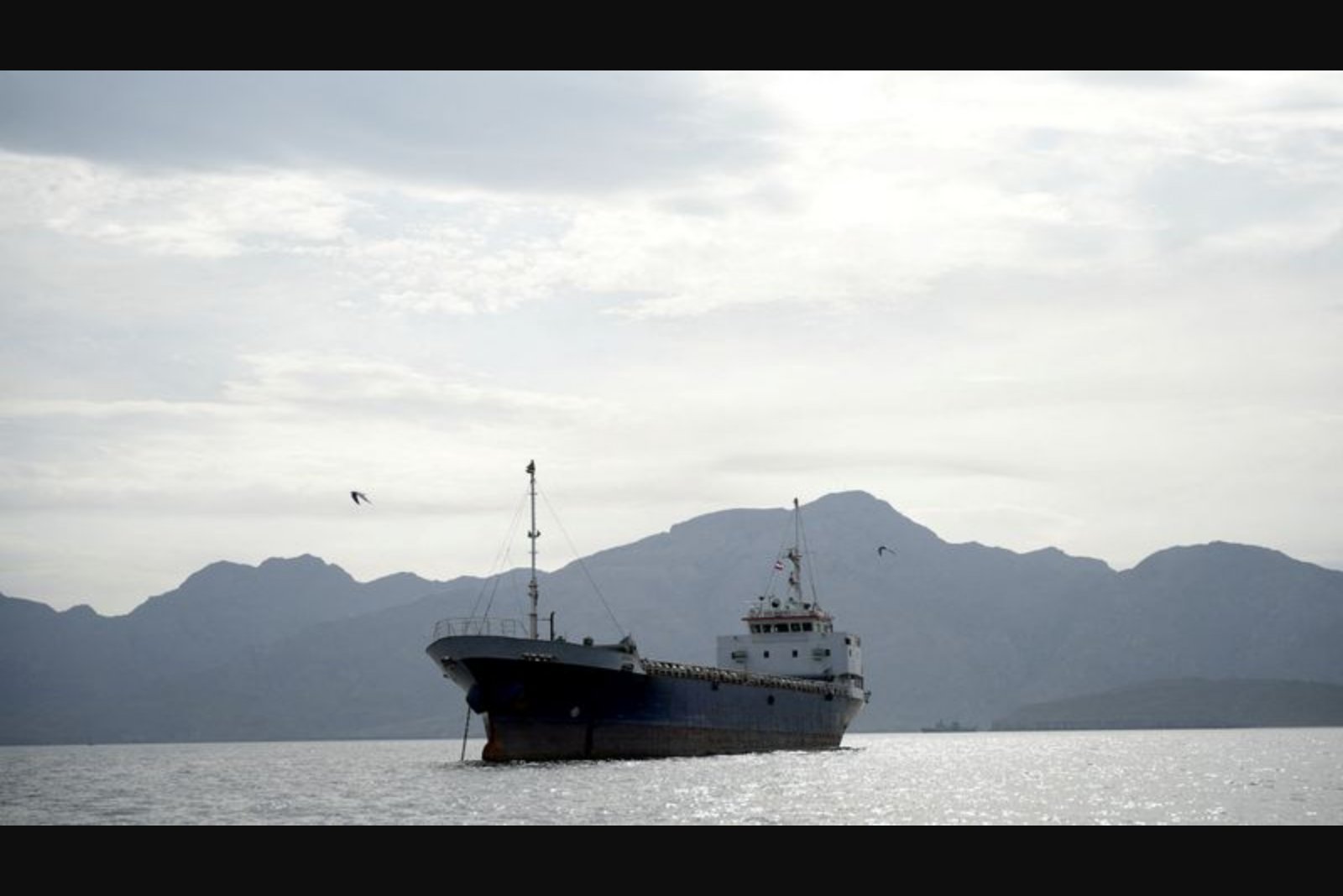
Global markets opened the week on a tentative note of optimism as investors parsed signs that diplomatic momentum between Washington and Tehran might be returning. The shift came even after peace talks between U.S. and Iranian officials broke down over the weekend and against the backdrop of a U.S. military blockade of Iran's ports that has now begun.
Traders reacted to reports that dialogue remained active, and a U.S. administration official said there was forward motion toward an agreement. U.S. President Donald Trump said on Monday that Iran wanted to make a deal, while reiterating he would not accept an arrangement that allowed Tehran to obtain a nuclear weapon. Those comments helped lift risk assets: Asian equities rose and U.S. and European futures were firmer, while crude oil prices edged back below $100 a barrel.
Still, the broader economic picture is fragile. The disruption to energy flows is feeding an inflationary impulse that could persist so long as the Strait of Hormuz remains closed, keeping costs elevated for businesses and consumers. That dynamic is likely to sustain pressure across sectors sensitive to energy prices, including transportation, industrials and consumer goods.
Policy responses are already beginning to reflect the heightened risks. In Singapore, the central bank announced a tightening of its monetary policy settings on Tuesday, explicitly citing inflation risks stemming from the Middle East war. The move underscores how regional geopolitical developments are feeding directly into monetary policy decisions in economies exposed to energy price swings.
At the same time, global demand signals showed strain: China’s export engine slowed in March, markedly missing forecasts, a shortfall that observers link to disruptions created by the conflict even as buyers had been positioning for an AI-led demand surge. The slowdown in exports highlights the uneven nature of demand growth and suggests some sectors tied to global trade and technology investment may face near-term softness.
The U.S. corporate reporting season is unfolding and will serve as an early gauge of how companies are absorbing the macro shock from the war. Results due later in the day include JPMorgan Chase, Wells Fargo and Citigroup, alongside Johnson & Johnson. Those reports follow Goldman Sachs, which on Monday posted quarterly profit above expectations, attributing the outperformance to strong dealmaking and equities trading.
Additional market-moving data and commentary will arrive through the session. U.S. March producer prices are on the calendar, and a roster of Federal Reserve officials - Barr, Collins, Barkin, Paulson and Goolsbee - are scheduled to speak. Their remarks will be watched closely for any change in tone on inflation, the economic outlook and policy expectations.
Key developments that could influence markets on Tuesday:
- Corporate earnings from JPMorgan Chase, Wells Fargo, Citigroup and Johnson & Johnson
- U.S. March producer price index (PPI)
- Speeches from Fed officials Barr, Collins, Barkin, Paulson and Goolsbee
For investors, the immediate challenge is balancing the relief priced into markets by prospects of diplomatic progress against the tangible supply-side risks already in motion. Oil price volatility and higher-for-longer energy costs pose an enduring headwind for inflation and margins in affected industries, while earnings reports and central bank communications this week will provide fresh data points on economic resilience.
Until there is clarity on both the diplomatic front and the flow of energy through critical routes, market participants will likely remain sensitive to headlines and intraday developments. The path forward will depend on how negotiations evolve and whether disruptions to shipping and oil flows ease or intensify.