
Danish drugmaker Novo Nordisk said it has entered a partnership with OpenAI to deploy artificial intelligence throughout its operations - from early-stage drug discovery to manufacturing and commercial processes.
The collaboration is designed to put OpenAI’s technology to work on complex datasets, enabling the identification of promising drug candidates and boosting efficiencies in manufacturing, supply chains, distribution and corporate functions. Novo said pilot programmes will start in research and development, manufacturing and commercial operations, with the plan to integrate the technology fully by the end of 2026. The company did not disclose the financial terms of the agreement.
In describing the scope of the relationship, Novo said OpenAI will also assist in training its global workforce, aiming to raise AI literacy and improve productivity across departments. Novo emphasised that the partnership includes stringent data protection measures, governance frameworks and human oversight, and that it builds on existing AI work the company has with other technology partners and research organisations.
Mike Doustdar, Chief Executive Officer of Novo Nordisk, characterised the initiative as a productivity enhancer rather than a replacement for scientific staff. "The aim here is not replacing our scientists. It’s about supercharging them," he said in an interview. Doustdar added the partnership is not intended to reduce the current workforce; instead it is expected to lift productivity and moderate the pace of future hiring. He previously announced a restructuring after becoming CEO that reduced the workforce by 9,000 jobs.
OpenAI’s CEO, Sam Altman, commented on the collaboration, saying: "AI is reshaping industries and in life sciences, it can help people live better, longer lives. This collaboration with Novo Nordisk will help them accelerate scientific discovery, run smarter global operations, and redefine the future of patient care."
Drugmakers have increasingly applied AI tools to streamline routine elements of drug development, such as recruiting clinical trial participants, selecting trial sites and assembling regulatory filings. Industry executives have cautioned, however, that while AI is being used to make development processes more efficient, it has not yet fully delivered on the more challenging objective of discovering major new molecules.
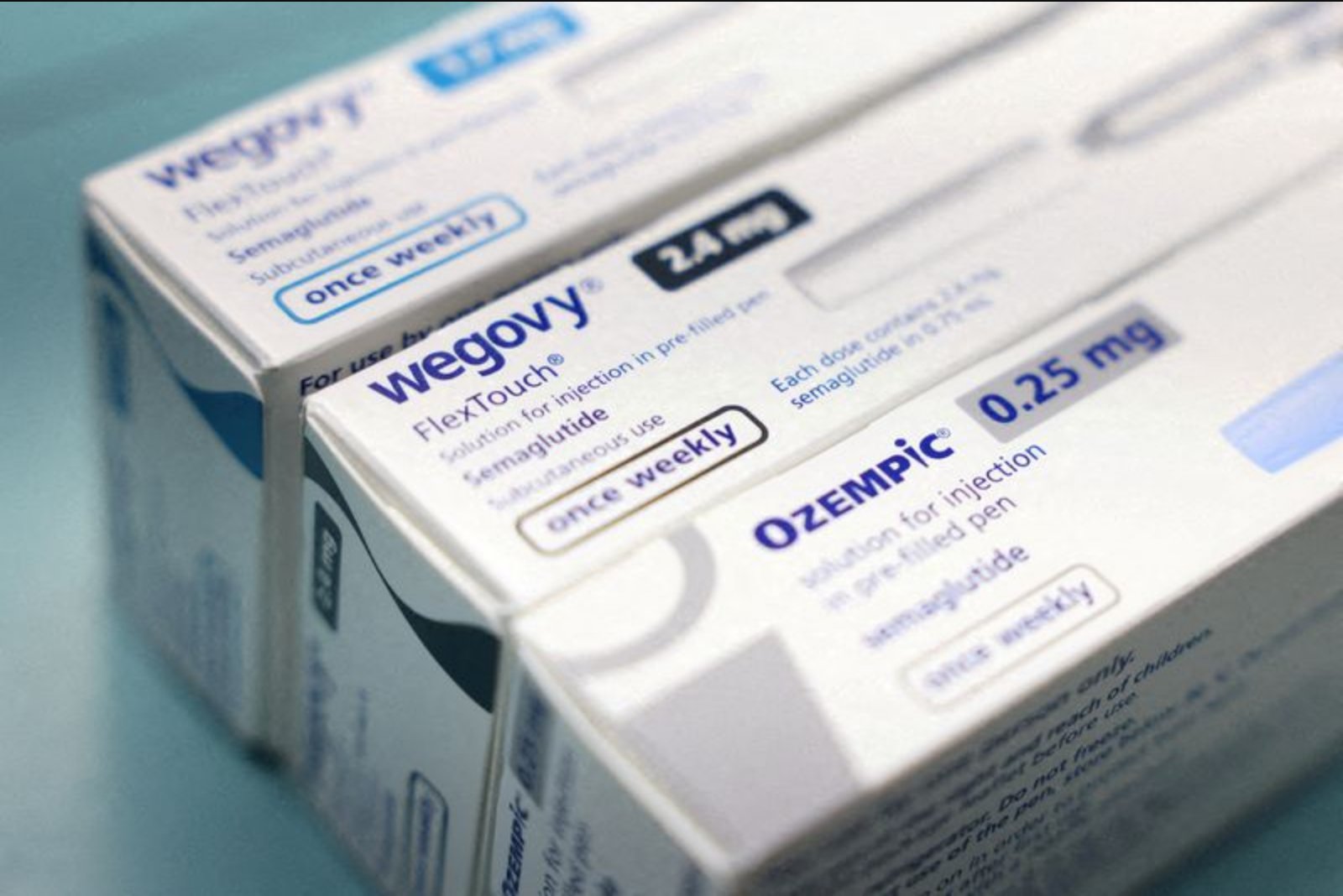
Novo Nordisk’s deal with OpenAI comes as the company faces intensifying competition in the weight-loss treatment market. Novo, the maker of Wegovy and Ozempic, has fallen behind Indianapolis-based Eli Lilly in the race for the lucrative obesity-drug market. Lilly won U.S. approval this month for its weight-loss pill Foundayo, while Novo launched an oral version of Wegovy in January. Analysts cited in the industry expect annual revenue from weight-loss medications to top $100 billion over the coming decade.
While the partnership with OpenAI is intended to accelerate scientific and operational performance, Novo stopped short of projecting immediate breakthroughs in molecule discovery. The company framed the initiative as a broad-based effort to enhance analysis of data, improve operational workflows and strengthen the skills of its workforce through AI training.
Context and next steps
Pilot programmes across R&D, manufacturing and commercial functions will commence first, with full integration targeted by the end of 2026. Novo reiterated that the collaboration will operate under strict data governance and human oversight protocols.