
Commodities April 14, 2026 12:21 AM

US-Sanctioned Tanker Rich Starry Transits Strait of Hormuz Despite U.S. Blockade

Shipping data show the vessel exited the Gulf carrying methanol while another sanctioned tanker approached the chokepoint

By Priya Menon
US-Sanctioned Tanker Rich Starry Transits Strait of Hormuz Despite U.S. Blockade

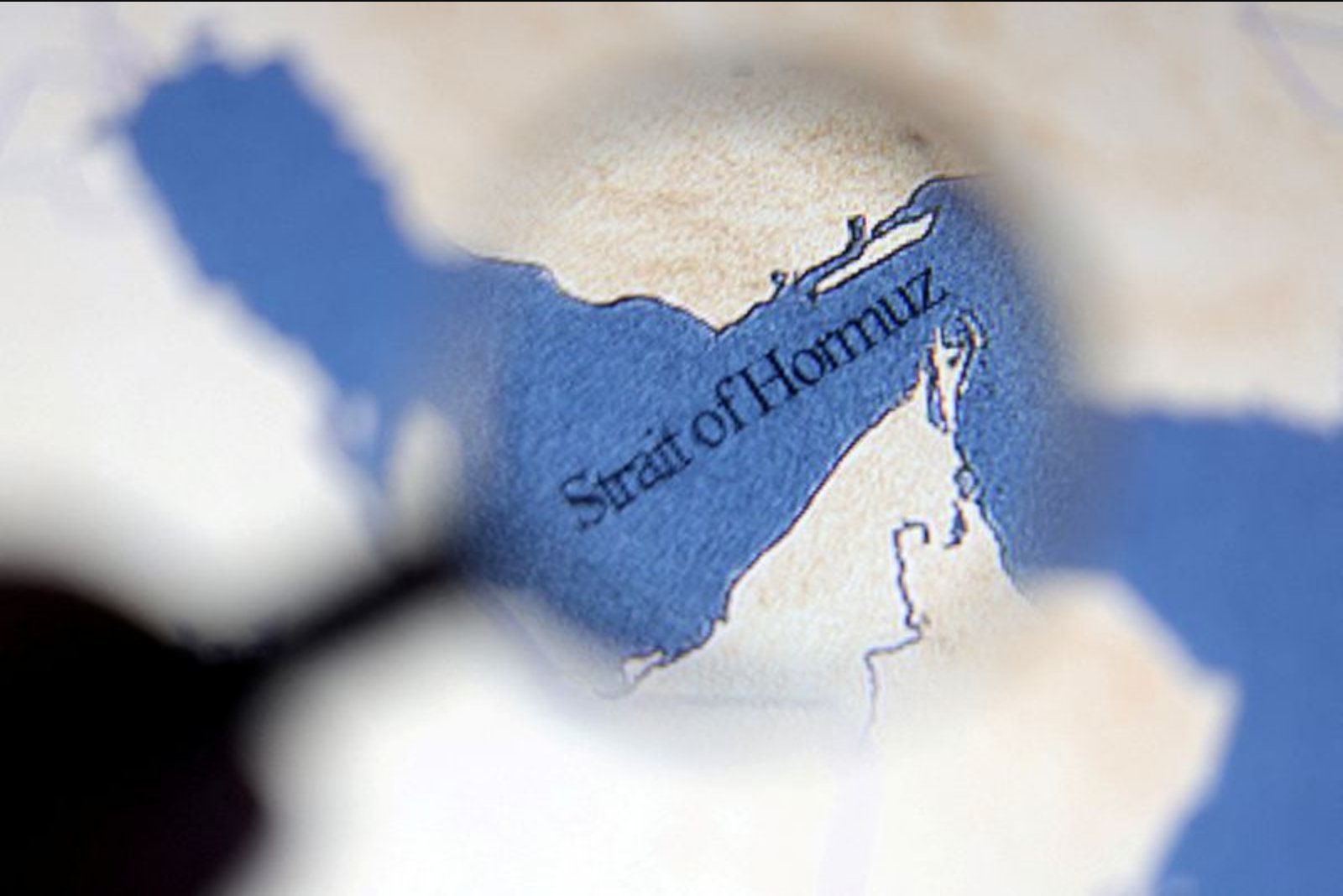
A Chinese-owned tanker subject to U.S. sanctions navigated through the Strait of Hormuz on April 14, according to shipping trackers, becoming the first vessel to exit the Gulf since a U.S. blockade began. The Rich Starry, carrying about 250,000 barrels of methanol loaded in the UAE, and another sanctioned ship, Murlikishan, underscore enforcement and logistical uncertainties in the region.

Key Points

  • The Rich Starry, a Chinese-owned, medium-range tanker sanctioned by the United States, transited the Strait of Hormuz and exited the Gulf on April 14, according to LSEG, MarineTraffic and Kpler data.
  • The tanker was carrying about 250,000 barrels of methanol loaded at Hamriyah in the United Arab Emirates, and is listed as having a Chinese crew.
  • Another U.S.-sanctioned vessel, the Murlikishan (formerly MKA), entered the strait on the same day and is scheduled to load fuel oil in Iraq on April 16, per the tracking data. Impacted sectors include shipping and energy supply chains, particularly tankers and bulk liquid cargo movements.

SINGAPORE, April 14 - A Chinese-owned tanker listed on U.S. sanction rolls passed through the Strait of Hormuz on Tuesday and exited the Gulf, according to data compiled by LSEG, MarineTraffic and Kpler. The vessel, named Rich Starry, would be the first ship to make such a transit and leave the Gulf since a U.S. blockade was put in place, the tracking data indicated.

The Rich Starry and its owner, Shanghai Xuanrun Shipping Co Ltd, were placed under U.S. sanctions for dealings with Iran, the tracking services' data show. The shipping company could not be reached immediately for comment.

Shipping datasets describe the Rich Starry as a medium-range tanker carrying roughly 250,000 barrels of methanol. The cargo was loaded at the vessel's previous port of call, Hamriyah in the United Arab Emirates, according to the same information.

Data sources also report that the vessel is Chinese-owned and has a Chinese crew on board. These operational details were recorded in the movements and registry information available through the trackers.

Separately, the trackers showed another U.S.-sanctioned vessel, the Murlikishan, moving into the Strait of Hormuz on Tuesday. LSEG data recorded the Murlikishan's transit into the chokepoint, while Kpler's information indicates the empty handysize tanker is scheduled to load fuel oil in Iraq on April 16.

The Murlikishan, formerly sailing under the name MKA, has a history of transporting Russian and Iranian oil, according to the movement records cited by the data providers. The current voyage plan reflected in the datasets points to a forthcoming fuel oil loading in Iraq.

The movements captured by LSEG, MarineTraffic and Kpler highlight instances in which vessels under U.S. sanctions continue to operate through key maritime routes. Reported details on cargo type, port of loading and planned future operations were limited to the tracking data sets; attempts to obtain comment from the owner of the Rich Starry did not yield an immediate response.


Contextual note: The reporting above is based on consolidated shipping data and registry records furnished by the named tracking services. No additional commentary or claims beyond the recorded vessel movements and cargo details were included.

Risks

  • Enforcement uncertainty - Data show sanctioned vessels continuing transits despite a U.S. blockade, creating uncertainty for sanctions enforcement and maritime oversight. This affects the shipping sector and regulators.
  • Supply chain and market exposure - The movement of vessels carrying methanol and fuel oil highlights potential volatility or disruptions for energy and chemical markets, driven by constrained route enforcement and vessel operations.
  • Information gaps - Limited ability to obtain comment from the vessel owner and reliance on third-party tracking datasets leave uncertainties about ownership, operational intent and next steps, which can affect insurers, charterers and commodities traders.

More from Commodities

Philippines Seeks U.S. Extension to Resume Purchases of Russian Oil Apr 14, 2026 Oil drops over 2% as U.S. blockade of Iranian ports raises supply concerns amid ceasefire chatter Apr 13, 2026 Chevron, PDVSA Agree Asset Swap to Concentrate Efforts on Orinoco Heavy Oil Projects Apr 13, 2026 U.S. Motorists Retract Miles as Iran War Sends Fuel Costs Higher Apr 13, 2026 Oil surges past $100 as U.S. blockade threat and regional retaliation fears escalate Apr 13, 2026