
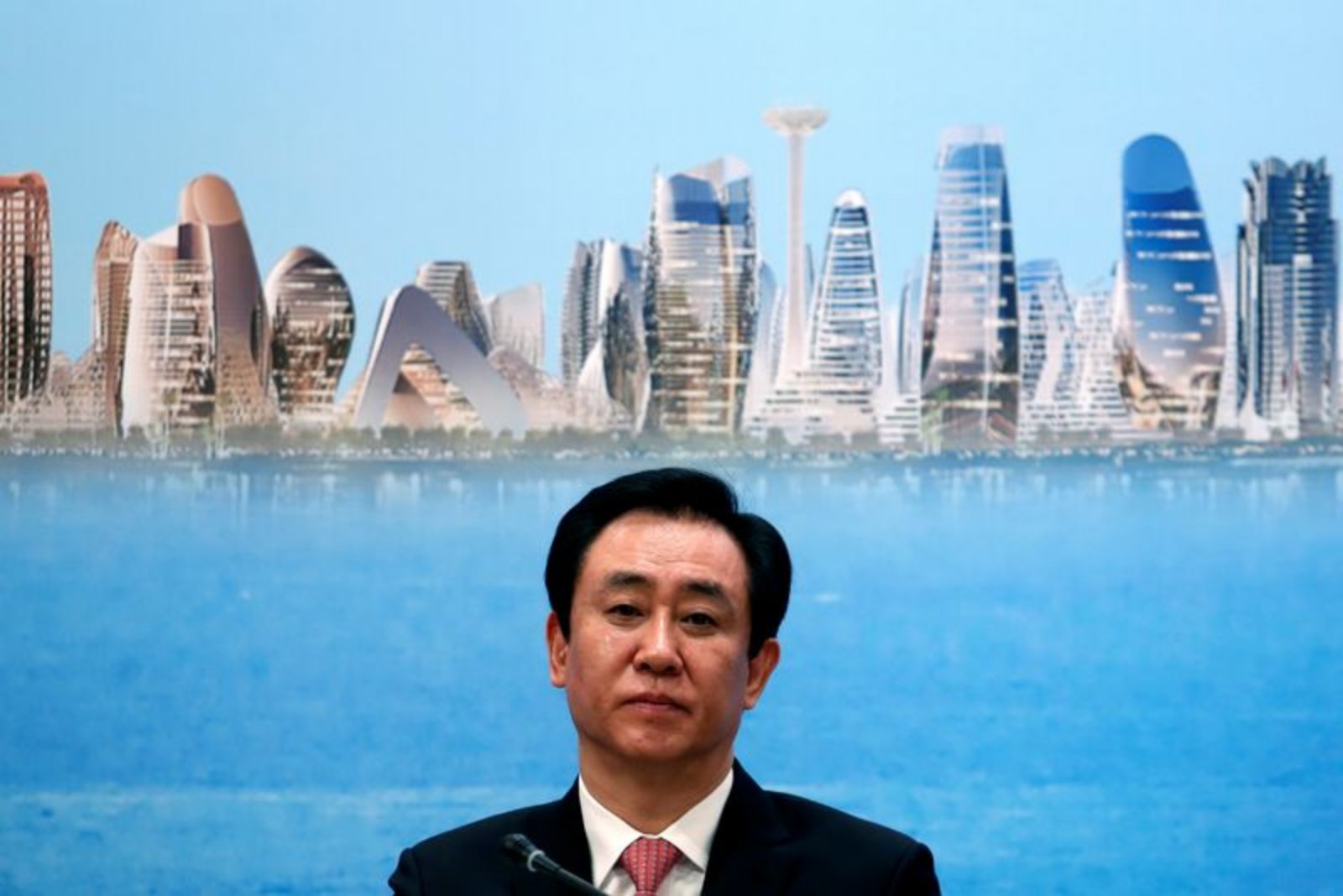
A court in Shenzhen said Hui Ka Yan, the founder of China Evergrande Group, has entered guilty pleas to a string of financial crimes, including misuse of corporate funds, fundraising fraud and illegally taking public deposits.
The proceedings took place on Monday and Tuesday, the court added, and it reported that Hui "pleaded guilty and expressed remorse." The same court noted that the trial involved charges brought against both Hui and Evergrande as an entity.
Evergrande is described in court material as having defaulted since 2021 on the majority of its approximately $300 billion of liabilities. The company also failed to meet payments on billions of dollars of wealth management products, a set of problems that the court says are illustrative of wider troubles in China’s property sector that have weighed on economic growth.
Liquidators overseeing Evergrande declined to comment on the proceedings. Attempts to obtain comment from Hui were not successful; court records indicate he has not been seen in public since Chinese authorities detained him in 2023, an action taken after the developer defaulted.
In 2024, China’s securities regulator imposed a fine of $6.6 million on Hui and issued a lifetime ban on participation in the securities market, after finding that Evergrande’s flagship unit had inflated earnings and committed securities fraud. The court in Shenzhen further listed additional accusations facing Hui and the firm, including illegally extending loans, fraudulently issuing securities and bribery by units within the company.
The court said it will hand down verdicts later but did not set a date for those rulings.
What are the best investment opportunities in 2026? The original article included a sponsored message noting that better investment choices begin with improved data. It described a research product that combines institutional-grade data with AI-driven insights to help investors identify opportunities, and mentioned a tool called WarrenAI as a way to explore the best investments of 2026. The court record and the company’s legal and financial situation remain the primary factual elements of this report.