
Companies in Australia and New Zealand are increasingly reporting financial pressure tied to the US-Israeli conflict with Iran, attributing rising costs and operational disruption to higher fuel and freight prices and to weakened demand. The effects are surfacing across sectors - notably aviation, banking, dairy, packaging and waste management - and are beginning to show through in guidance and operational decisions.
Two major Australian firms, Westpac Banking Corp and Qantas Airways, have warned that sharply higher fuel prices and strains on consumers from elevated prices and borrowing costs could affect profits. Other listed companies in the region have similarly pointed to the conflict as a driver of higher expenses, interruptions to shipping routes and changes to capacity or pricing strategies.
How companies are being affected
-
Air New Zealand - The New Zealand flag carrier suspended its full-year earnings outlook in early March and said it has raised fares amid volatility in the jet fuel market. The airline was among the first to implement price increases tied to changing fuel costs. On April 7 the carrier announced it would cancel flights through May and June, affecting about 4% of its flights and roughly 1% of its total passengers.
-
a2 Milk - The infant formula maker cut its fiscal 2026 profit forecast, citing higher freight costs linked to the conflict and temporary supply-chain disruptions that have affected the availability of its China-label infant milk formula product in its largest market.
-
Cleanaway Waste Management - The waste-management company trimmed its full-year operating earnings forecast by about A$20 million ($14.17 million). Management attributed the reduction largely to higher costs, lower activity and timing differences in cost recovery related to the conflict.
-
Fonterra - The New Zealand dairy cooperative said the conflict was affecting its supply chain and could raise inventory levels and costs in the second half of the year. It also warned the situation was contributing to volatility in global commodity prices.
-
Orora - The packaging company lowered its annual earnings forecast for the French unit Saverglass and cancelled its share buyback program, citing the war's impact. Orora also stopped bottle production at its glass facility in Ras al Khaimah in the United Arab Emirates because shipping route closures made operations untenable.
-
Qantas Airways - The national carrier raised its fuel cost outlook for the second half of the year by up to A$800 million and said it has not commenced a planned A$150 million share buyback because of sharp and volatile jet fuel prices. To manage rising costs, Qantas is increasing fares, redirecting capacity toward stronger long-haul routes such as Paris and Rome where demand remains firm, and reducing domestic capacity by about 5 percentage points in the June quarter.
-
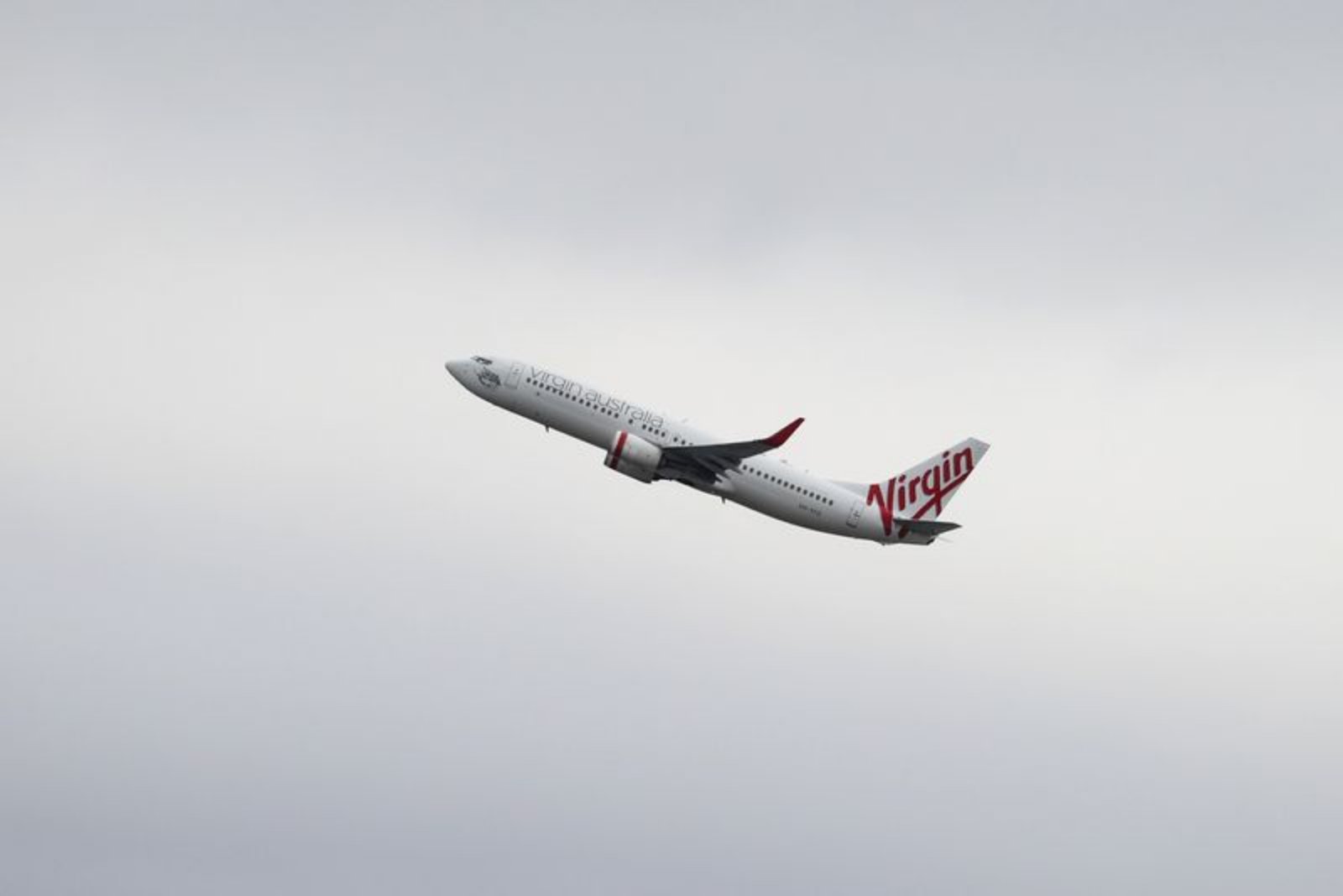
Virgin Australia - In mid-March the carrier said it was adjusting fares as sector-wide rising costs were "exacerbated by the situation in the Middle East."
-
Westpac - Australia’s second-largest bank reported that energy market shocks from the conflict were emerging as profit pressures in the first half of the financial year ended March 31, prompting the lender to raise credit provisions. Westpac said its net interest margin in its treasury and markets division weakened amid interest-rate volatility linked to the conflict. The bank also noted that provisioning for potential bad debt had reached its highest level since the COVID-19 pandemic.
Broader picture
Across these companies, the common threads are higher fuel and freight costs, interruptions to shipping routes and a resulting mix of pricing, capacity and provisioning responses. Airlines are raising fares and trimming capacity where demand is weaker while banks are increasing credit loss provisions as market volatility and consumer pressure grow. Exporters and manufacturers are flagging higher inventory and logistics costs and, in some cases, temporary production halts because of disrupted shipping lanes.
Financial note - The article references an exchange rate of $1 = 1.4118 Australian dollars.