
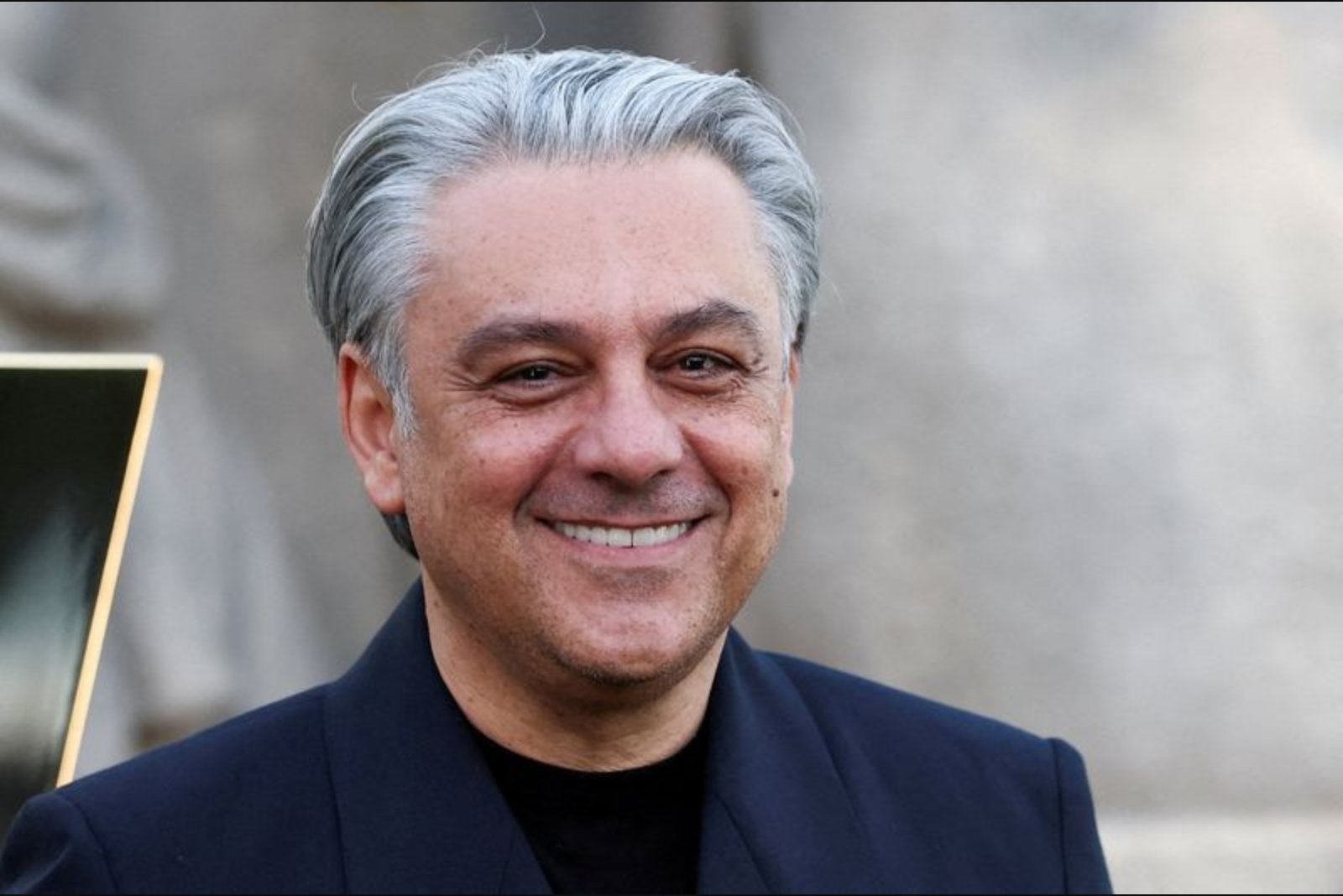
Seven months into his tenure as CEO of the owner of Gucci, Luca de Meo has largely succeeded in buying time for the French luxury group. The measures he has implemented since arriving in September - including asset disposals, strategic alliances and managerial reshuffles - have reduced near-term financial strain. This week, however, de Meo faces a more intricate assignment: demonstrating that those moves will be followed by a return to growth at Gucci, the company’s once-dominant profit driver.
De Meo’s early months have been defined by fast, decisive action. He halted a planned Valentino acquisition, negotiated the sale of the group’s beauty unit to L'Oreal for 4 billion euros and monetised a portfolio of prime real estate in New York and Milan to raise about 1.5 billion euros. Taken together, these transactions have strengthened liquidity and alleviated immediate concerns that the group might struggle under its debt load.
With the balance sheet stabilised, investor attention has shifted back to operations - and particularly to Gucci. Under previous leadership, the label’s sales have declined sharply from their peak during the Alessandro Michele era. The group’s reported operating performance reflected that deterioration: Kering swung to a net loss of 29 million euros from continuing operations last year, compared with a 3.6 billion euro profit peak in 2022, and recurring operating margin contracted to 11% from a 28% high in 2021.
De Meo has been explicit about the need to recalibrate long-standing assumptions inside the group. He has questioned Kering’s historical concentration on Gucci and acknowledged that previous pricing strategies required correction. In parallel, he has reduced the degree of autonomy afforded to individual houses, including Yves Saint Laurent and Balenciaga, bringing marketing and supply chains into closer alignment under Paris headquarters. The stated goals are both cost savings and a return to coherent brand positioning.
To implement these changes, de Meo has recruited several trusted aides from his previous career in the automotive sector, many drawn from Renault, where he built a reputation for simplifying strategy and tightening operational discipline. These appointments span functions from production and talent management to investor relations and artificial intelligence. For a group that has long prized creative independence, the shift toward centralised control is a notable cultural change.
Investors have responded positively to the early phase of de Meo’s plan: Kering shares have risen roughly 13% since his appointment, even as competitors LVMH and Hermes recorded stronger sales over the same period. That improvement in market sentiment reflects rising expectations - but these expectations are being reset from a low earnings base that reflects the brand’s recent underperformance.
Crucially, much of the success of any turnaround may hinge on creative execution at Gucci. The house’s new creative director, Demna, has presented two collections so far since succeeding Sabato de Sarno. Those shows have featured deliberately exaggerated and attention-seeking designs that have divided critical opinion. Because these collections are only now reaching stores, there is limited hard sales evidence to judge whether the new aesthetic will reconnect with consumers.
The wider commercial environment complicates the assessment. The group faces a weaker backdrop - a factor highlighted by subdued first-quarter sales at LVMH - and fragile consumer confidence. The conflict in Iran is cited as contributing to the softer demand environment. These external headwinds add uncertainty to the timing and visibility of any recovery in Gucci’s top line.
At his first capital markets day in Florence this week, de Meo’s task will be to convince investors that the work done so far is laying the groundwork for a durable recovery, even if that recovery has not yet shown up in reported results. He will seek to translate balance sheet improvements and organisational realignment into a credible path back to consistent revenue and margin performance at Gucci.
While Kering’s financial posture has improved through the sale of assets and a sharper centralised approach, the turnaround remains incomplete. The success of that effort depends on both the market reception to recent creative changes at Gucci and on a broader consumer environment that remains uncertain. ($1 = 0.8545 euros)