
Politics April 14, 2026 02:01 AM

Bessent Urges Fed to Hold Off on Rate Cuts While Iran Conflict Unfolds

Treasury secretary backs a cautious approach to monetary easing as oil and gas-driven inflation spikes raise questions about persistence

By Maya Rios
Bessent Urges Fed to Hold Off on Rate Cuts While Iran Conflict Unfolds

US Treasury Secretary Scott Bessent said the Federal Reserve should delay lowering interest rates while the conflict in Iran remains unresolved, praising the central bank for monitoring developments. He argued that recent price increases driven by higher oil and gas costs are unlikely to become entrenched in consumer expectations, while noting the US economy entered the year from a position of strength.

Key Points

  • Treasury Secretary Scott Bessent advised the Federal Reserve to delay cutting interest rates while the Iran conflict is ongoing, praising the Fed for monitoring developments rather than acting immediately.
  • US inflation accelerated in March - rising three times faster than in February - amid surging oil and gas costs, though core inflation (excluding food and energy) increased slightly less than forecasters expected.
  • Bessent said the US economy was very strong coming out of January and February and expressed confidence that recent price spikes will not become embedded in consumer inflation expectations.

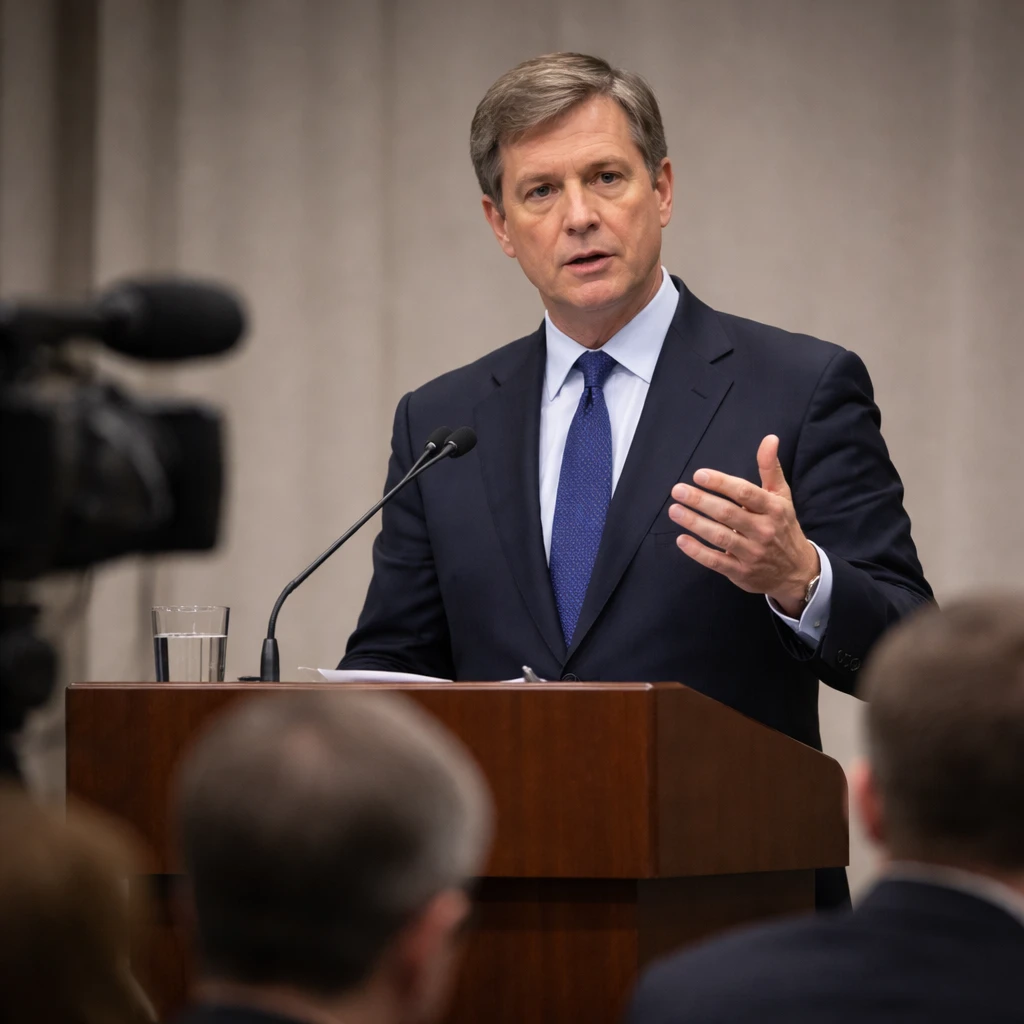
Summary: US Treasury Secretary Scott Bessent told Semafor Editor-in-Chief Ben Smith at the Semafor World Economy event in Washington that the Federal Reserve should wait before cutting interest rates as the war in Iran continues to evolve. He said the Fed is "doing the right thing by sitting and watching" how the conflict plays out and expressed confidence that recent price increases will not permanently change consumer expectations.

Bessent reiterated that rate reductions are appropriate at some point - "Do I think rates should be lowered? Eventually. I think now that we have to wait and see," he said, emphasizing timing matters amid geopolitical uncertainty.

Speaking at the event, he noted the economy's momentum earlier in the year, saying it was "very strong coming out of January and February." He also signaled that short-term price moves are unlikely to become embedded in long-term sentiment. "If ever there was 'Team Transitory,' it's this," Bessent said. "I don't believe this is going to get embedded into inflation expectations."

The US government reported on Friday that inflation rose three times faster in March than it did in February amid surging oil and gas costs. Meanwhile, inflation excluding food and energy rose slightly less than forecasters had anticipated.

On the political front, Bessent noted that President Donald Trump has spent much of his second administration urging the central bank to cut rates, a point he referenced while discussing the appropriate policy stance in the current environment.

When asked whether the war in Iran would ultimately be beneficial or harmful to the US economy, Bessent said he expects the country will look back and see 50 years of stability, though he did not specify the number of days the conflict might last.

Turning to growth forecasts, Bessent recalled that in February he had expected the economy would have grown more than 4% this year. Asked if that view still held, he said the economy "will have some make-up to do," suggesting that earlier expectations may require revision as the year progresses.


Contextual notes:

  • The remarks were made at the Semafor World Economy event in Washington.
  • Bessent linked recent inflation dynamics to higher oil and gas prices.

Risks

  • Ongoing uncertainty from the war in Iran could affect energy markets and broader economic stability, with implications for oil and gas prices - affecting the energy sector and inflation-sensitive sectors.
  • Elevated oil and gas costs contributed to a faster rise in headline inflation in March, introducing near-term inflation pressure that could influence consumer spending and monetary policy decisions - impacting consumer-facing industries and financial markets.
  • If growth falls short of earlier expectations - Bessent noted the economy "will have some make-up to do" relative to a February view of more than 4% growth - policymakers may need to reassess forecasts and responses, affecting markets sensitive to growth outlooks.

More from Politics

Dozens Arrested in Manhattan Demonstration Against U.S. Arms Support for Israel Apr 13, 2026 Democrats Call for Swalwell’s Resignation as House Ethics Probe Opens Apr 13, 2026 Trump Brings DoorDash to Oval Office to Spotlight Tip Tax Cut Apr 13, 2026 Trump’s AI Image of Himself as a Jesus-Like Figure Sparks Backlash from Religious Conservatives Apr 13, 2026 Manhattan DA Confirms Probe of Sexual Assault Allegations Against Rep. Swalwell Apr 13, 2026