
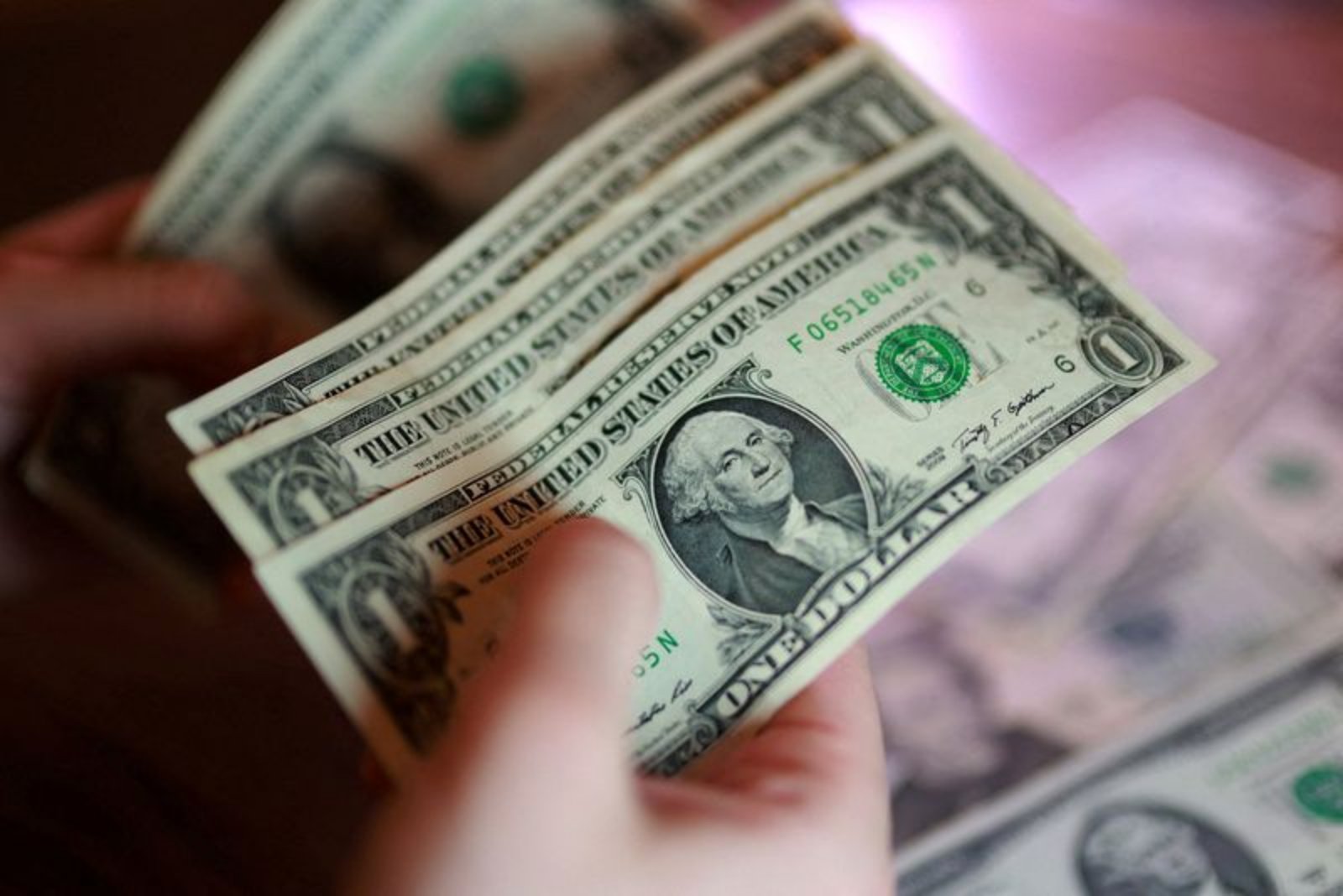
SINGAPORE, April 15 - The U.S. dollar held near six-week lows on Wednesday, largely reversing the gains it accumulated after the conflict in the Middle East began. Markets reacted positively to signs that the United States and Iran may restart negotiations, which lifted investor appetite for risk.
Tehran has effectively shut the Strait of Hormuz, a vital passage responsible for a fifth of global oil and gas shipments, since the U.S.-Israel war with Iran began on February 28. That disruption had pushed oil prices higher and weighed on investor sentiment. Following the collapse of weekend negotiations, Washington imposed a blockade on Iranian ports, but optimism rose after U.S. President Donald Trump said on Tuesday that talks to end the war could resume in Pakistan in the coming days.
Major currency moves reflected the sentiment shift. The euro traded at $1.1793, near its strongest level since March 2, while sterling was quoted at $1.3574. The dollar index, which tracks the U.S. currency against six peers, stood at 98.109, close to its lowest point in more than six weeks.
Although discussions in Islamabad over the weekend did not yield a breakthrough - casting doubt on how durable the current two-week ceasefire will be, with one week still remaining - investors remained hopeful that diplomacy could still produce a settlement. "There is a growing expectation that the standoff will soon be resolved, allowing the U.S. administration to pivot towards declaring victory, before stimulating the economy ahead of the midterms," Tony Sycamore, market analyst at IG, said.
Energy markets eased as oil prices fell from recent highs. Brent crude futures dropped 0.28% to $94.52 a barrel after a 4.6% decline in the previous session. U.S. West Texas Intermediate crude fell 0.7% to $90.64, coming off a 7.9% fall on Tuesday. The retreat in oil supported a broader move into riskier assets.
Risk-sensitive currencies and markets rallied in response. The Australian dollar reached levels not seen since March 12 and was steady at $0.7124 in early trading. The Japanese yen was little changed at 158.88 per U.S. dollar in early trading. Bitcoin rose 0.6% to $74,612, just under the two-month high it hit on Tuesday.
Market strategists interpreted the cross-asset shifts as evidence that investors increasingly view the conflict as a transient energy shock that could subside if diplomacy holds. "Cross-asset moves suggest investors are increasingly pricing the conflict as a temporary energy shock that could fade if diplomacy holds," OCBC strategists said in a note. "The broader signal was decisively risk-on rather than defensive positioning."
What are the best investment opportunities in 2026?
The article highlighted an industry view that stronger investment decisions begin with better data. One product referenced combines institutional-grade data with AI-driven insights aimed at helping investors identify opportunities without requiring advanced technical training. The claim states it will not guarantee winners but may improve the odds of finding more successful investments more often. Readers were directed to a tool described as InvestingPro and encouraged to "Ask WarrenAI, then decide."