
World April 14, 2026 03:47 AM

Lavrov Visits Beijing for Talks Focusing on Ukraine, Iran and Multilateral Ties

Russian foreign minister's visit expected to cover regional conflicts and cooperation across major international forums

By Ajmal Hussain
Lavrov Visits Beijing for Talks Focusing on Ukraine, Iran and Multilateral Ties

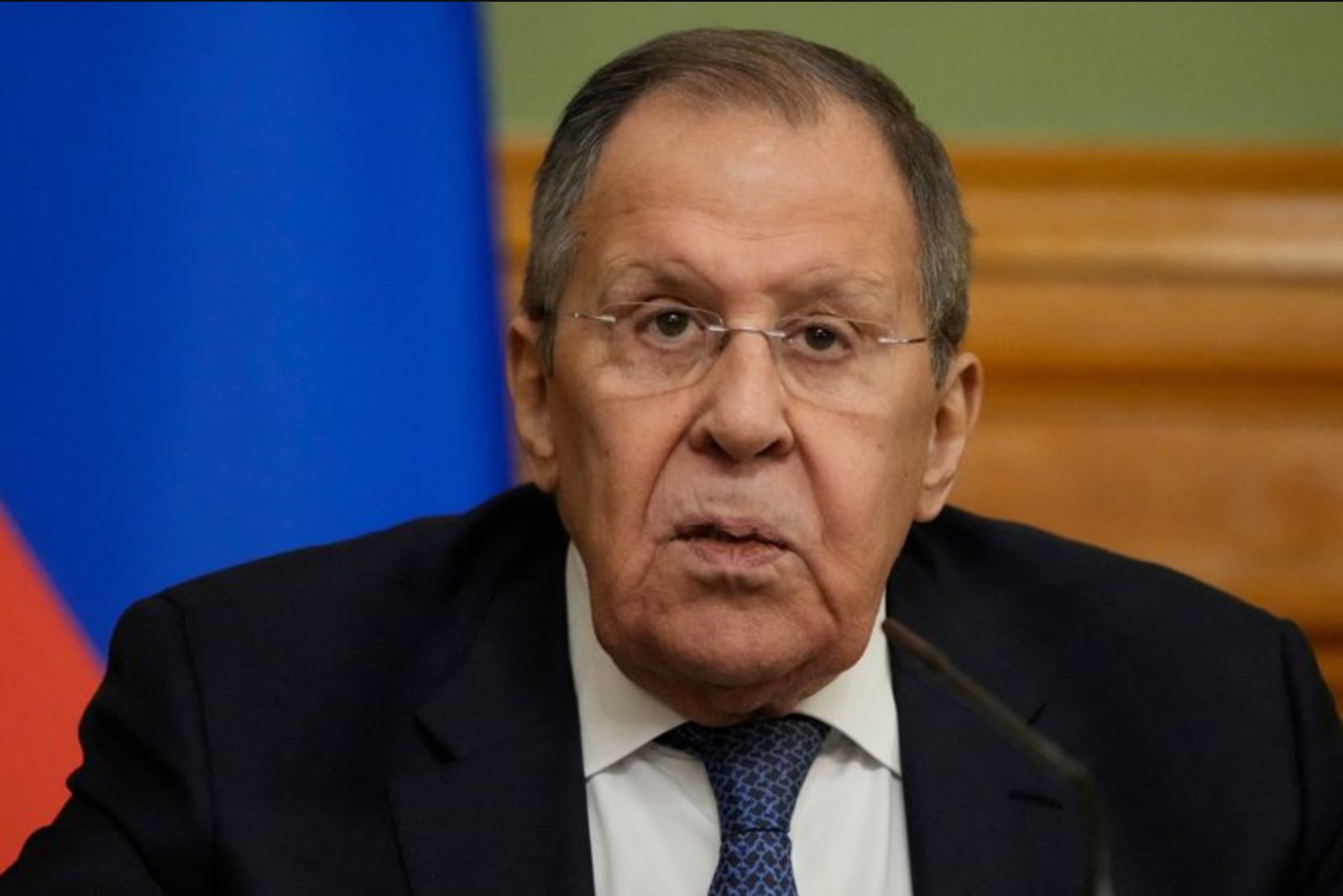
Russian Foreign Minister Sergei Lavrov arrived in China on April 14 for discussions with Chinese officials that are set to address the wars in Ukraine and Iran, as well as broad bilateral and multilateral cooperation. The visit, shown on Russian state television, will include talks with Chinese Foreign Minister Wang Yi and aims to cover a range of regional and global issues identified as 'hot topics' by Russia's Foreign Ministry.

Key Points

  • Lavrov arrived in Beijing on April 14 and will meet Chinese Foreign Minister Wang Yi to discuss the wars in Ukraine and Iran and broader bilateral ties - sectors impacted include defense and diplomacy.
  • The agenda includes coordination within multilateral organizations such as the United Nations, BRICS, the Shanghai Cooperation Organization, the G20, and APEC - relevant to international governance and multilateral cooperation.
  • The visit takes place against the backdrop of a declared "no limits" partnership between Moscow and Beijing since February 2022 and a U.S. intelligence assessment that identifies China and Russia as primary competitors to Washington in areas including artificial intelligence and space - this has implications for technology and defense sectors.

MOSCOW, April 14 - Russian Foreign Minister Sergei Lavrov arrived in China on Tuesday for a series of talks centered on the conflicts in Ukraine and Iran and on strengthening bilateral ties. State television in Russia broadcast images of Lavrov arriving in Beijing ahead of scheduled meetings with Chinese Foreign Minister Wang Yi.

Russia's Foreign Ministry said it expects "a thorough exchange of views" on several "hot topics" and regional matters, explicitly naming the Ukrainian crisis and the situation in the Middle East as subjects for discussion. The ministry also said the two ministers will examine cooperation between Moscow and Beijing and coordinate approaches to work within multilateral institutions.

According to the ministry's statement, Lavrov and Wang will consider collaboration in forums such as the United Nations, BRICS, the Shanghai Cooperation Organization, the G20, and the Asia-Pacific Economic Cooperation. The agenda therefore spans both bilateral issues and cooperation in major international organizations.

The visit comes in the context of a closer Russia-China relationship that Moscow and Beijing framed as a "no limits" partnership in February 2022 when Russian President Vladimir Putin visited Beijing. That visit occurred days before Russia launched a large-scale military operation in Ukraine, when tens of thousands of troops were sent into that country.

Putin has at times described China as an "ally." In a related development noted by Russia's statement, U.S. intelligence agencies in their annual threat assessment have identified China and Russia as principal competitors to Washington across a broad set of arenas, naming areas from the Arctic and artificial intelligence to space and nuclear weapons.

Images of Lavrov's arrival and the stated agenda indicate a focus on both immediate regional crises and longer-term coordination in multilateral settings. The discussions with Wang Yi are set to address how Moscow and Beijing align on those issues, though the ministry's statement does not specify precise outcomes or agreements expected from the visit.


Details

  • Lavrov arrived in Beijing on April 14 and was shown on Russian state television.
  • He is expected to hold talks with Chinese Foreign Minister Wang Yi covering Ukraine, the Middle East, and cooperation in international forums.
  • The foreign ministry framed the meetings as a "thorough exchange of views" on multiple regional and global issues.

Risks

  • Outcomes of the dialogues are unspecified in the foreign ministry statement, leaving uncertainty about whether talks will produce concrete policy shifts - this uncertainty affects geopolitical and defense planning.
  • The close framing of Russia-China ties and the U.S. characterization of both as principal competitors highlights a landscape of strategic rivalry that could influence technology and defense markets.
  • Discussions covering active conflicts in Ukraine and the Middle East underscore ongoing regional instability and the risk of continued geopolitical tensions with potential market and security ramifications.

More from World

Pope Leo Visits St. Augustine’s Birthplace in Algeria, Reiterates Opposition to War Apr 14, 2026 Envoys from Lebanon and Israel to Meet in Washington as Israel Intensifies Campaign Against Hezbollah Apr 14, 2026 Orban’s Loss Removes a Central Reference Point for Europe’s Far Right Apr 14, 2026 Oasis, Wu-Tang Clan and Phil Collins Among 2026 Rock & Roll Hall of Fame Inductees Apr 14, 2026 Washington Talks Aim to Halt Fighting Between Israel and Lebanon as Deadly Exchanges Continue Apr 14, 2026