
Dateline: Jerusalem/Beirut, April 14 -
Senior envoys from Israel and Lebanon are due to meet in Washington on Tuesday in a U.S.-brokered effort to quiet weeks of cross-border violence that have escalated since early March. The talks come after parallel negotiations involving the United States, Iran and Pakistan sought to curb the wider regional confrontation and to push both sides toward an end to the fighting.
What is driving the confrontation?
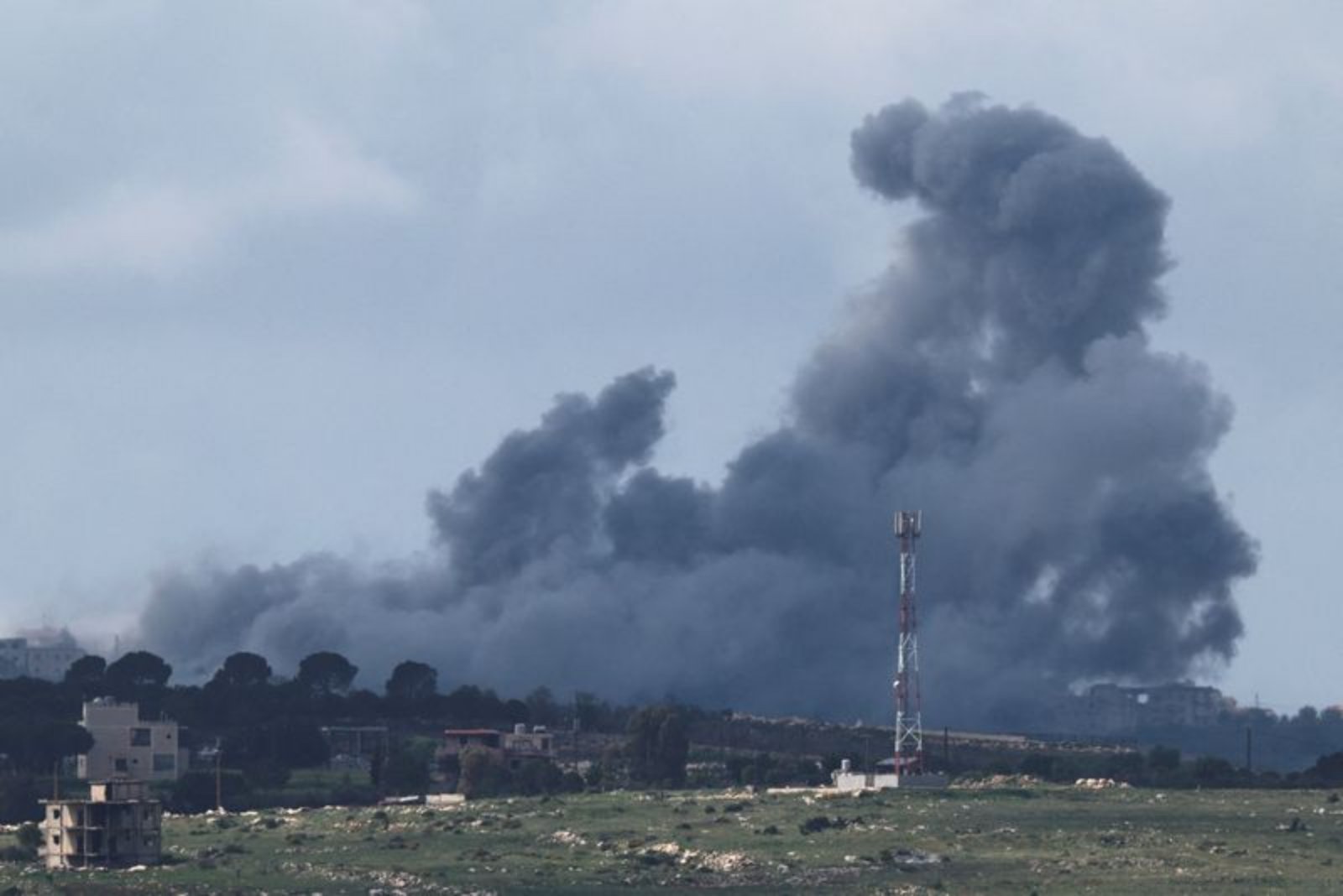
Hostilities intensified after Hezbollah launched missile strikes into Israel on March 2, three days into a separate U.S.-Israeli campaign against Iran. Israel has responded with expanded air strikes across Lebanon and a widened ground offensive into southern areas the Israeli military identifies as Hezbollah strongholds. Israeli authorities have ordered large-scale evacuations, directing hundreds of thousands of residents to leave villages near the border.
Lebanese health officials report that more than 2,080 people have been killed in Lebanon as a result of the Israeli attacks, including 252 women and 166 children. Hezbollah has not published an official casualty figure for its fighters; sources familiar with the matter indicated on March 27 that more than 400 members of the group had been killed since March 2. On the Israeli side, authorities report two civilians and 13 soldiers killed since the escalation began.
Hezbollah’s rocket and missile strikes have mainly targeted towns along Israel’s northern frontier but have also struck larger urban centres such as Haifa and Tel Aviv, prompting sheltering and causing property damage.
How did talks come to be arranged?
One week into the current round of fighting, Lebanon’s president publicly signalled a willingness to engage in direct negotiations with Israel to stop the violence, even indicating a readiness to consider normalizing relations. Israel initially rejected that offer, arguing it arrived too late from a government that, while aligned with the objective of disarming Hezbollah, lacks the capacity to act against the organisation without risking internal upheaval.
Positions shifted after the United States and Iran reached an agreement on April 7 to suspend their respective hostilities. Two days later, on April 9, Israel announced it would enter talks with Lebanon, setting the stage for the Washington meeting.
Who will sit at the table?
The meeting in Washington is set for 11 a.m. local time (1500 GMT) and will involve Israel's ambassador to the United States and Lebanon's ambassador to Washington as the lead envoys. U.S. officials expected to be present include the secretary of state, the U.S. ambassador to Lebanon and a senior State Department counsellor.
Public statements from the three governments differ on the remit of the session. Lebanon's presidency says the gathering will aim to announce a ceasefire and set a timeline for further bilateral discussions, with the Lebanese ambassador authorised to discuss a ceasefire as the only substantive item. By contrast, Israel has said it will not discuss a ceasefire in the Washington talks, instead framing negotiations as centred on removing Hezbollah's weapons and moving toward peaceful relations with Lebanon.
Where do the parties stand on military operations?
Israeli leadership has not publicly committed to scaling back its ground campaign or to withdrawing from positions inside Lebanon if substantive progress is made in talks. Israel has described its operations as aimed at creating a buffer zone beyond its northern border and has carried out strikes on villages it associates with Hezbollah activity.
Senior Israeli officials said military activity had been scaled down in some areas ahead of the Washington meeting, including a pause on strikes in the capital, which had not been directly hit since April 8. Separately, officials in Israel’s government have indicated they will press Lebanon to remove Hezbollah-affiliated ministers from its cabinet as part of any political pressure on the group.
Lebanon's domestic constraints
Lebanon’s leadership has made clear that a ceasefire is a precondition for moving forward to broader negotiations with Israel. The decision by Lebanon to engage in talks follows heightened domestic opposition to Hezbollah maintaining an armed wing; earlier in March the government issued a ban on Hezbollah conducting military activities. Nevertheless, Hezbollah retains a substantial arsenal and maintains strong backing among a large portion of Lebanon’s Shi’ite community, which makes disarmament a complex and politically fraught task for a state already described as fragile.
Lebanon’s ability to compel Hezbollah to surrender its weapons is limited, and officials recognise that any attempt to forcibly disarm the group risks deepening internal divisions or triggering wider instability.
Have Israel and Lebanon negotiated before?
There are no formal diplomatic relations between Israel and Lebanon, and the two countries have technically been in a state of war since Israel’s founding. Israel has a long history of military operations in Lebanon, including an extended occupation of southern Lebanon that lasted from 1982 until 2000.
More recently, the two sides engaged in U.S.-brokered negotiations in 2022 that produced an agreement defining a maritime boundary. In December 2025, the parties took part in indirect U.S.-facilitated talks in Naqoura, in southern Lebanon, in an effort to consolidate the deal that ended the 2024 round of Israel-Hezbollah hostilities.
Outlook
The Washington meeting will test whether diplomats can bridge sharply divergent priorities: Lebanon’s insistence on securing an immediate ceasefire, and Israel’s focus on the long-term issue of Hezbollah’s military capability. The session will be watched for any sign of common ground on sequencing - whether a ceasefire is agreed first, or whether steps toward disarmament and political changes are sought as a condition for halting military operations.
Given the differing public statements from all three governments about the talks’ agenda and the on-the-ground military dynamics, the outcome remains uncertain.