
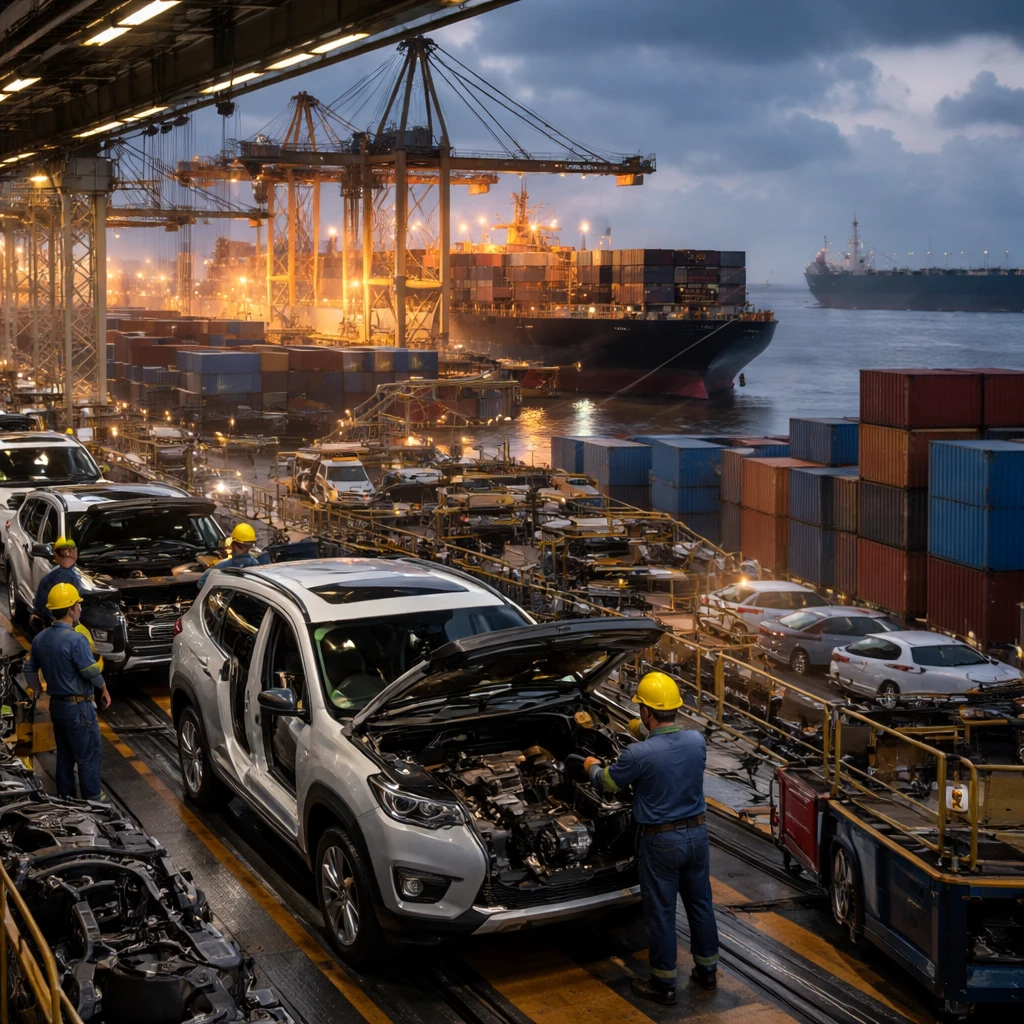
India's automobile industry has raised alarms about potential short-term disruptions to production, input costs, fuel prices and freight rates arising from the ongoing conflict in West Asia. The concerns were outlined on Tuesday by Shailesh Chandra, president of the Society of Indian Automobile Manufacturers (SIAM).
Chandra said the conflict is generating uncertainty that could affect several cost and logistics vectors for the sector. The industry body identified crude oil and commodity price volatility, upward pressure on exchange rates and possible interruptions to shipping routes as primary channels through which the conflict could influence the auto supply chain and manufacturing operations.
Analysts at Antique Stock Broking echoed the view that the conflict may weigh on export volumes in the near term. They urged automotive firms to maintain calibrated supply chains and to consider diversifying energy inputs to reduce vulnerability to disruptions.
At the same time, SIAM noted a divergence between interest and sales in the entry-level segment. Buyer enquiries in that price band have remained robust in April so far, Chandra said, but converting those enquiries into firm purchases is taking longer than before.
Industry data cited by the association show that car sales from manufacturers to dealers rose 7.9% to 4.6 million units in the financial year 2026. That compares with 2% growth in the previous fiscal year and reflects improved consumer sentiment after a package of tax reductions.
Tax changes announced in September 2025 were highlighted as demand supports. The measures included lowering taxes on larger SUVs to 40% after removing an additional levy, and cutting levies on small cars and two-wheelers to 18% from 28%. The industry said those adjustments have bolstered demand across multiple segments.
Two-wheeler volumes also strengthened: total domestic two-wheeler sales rose 10.7% in the financial year 2026, compared with 9.1% growth in the prior year, according to the industry figures.
Context and near-term outlook
The industry statement frames the West Asia conflict as a source of short-term operational and cost uncertainty rather than a direct long-term demand shock. Manufacturers and suppliers will need to monitor energy and commodity markets closely, manage currency exposure and adapt logistics plans if shipping lanes or freight pricing are affected.