
Overview
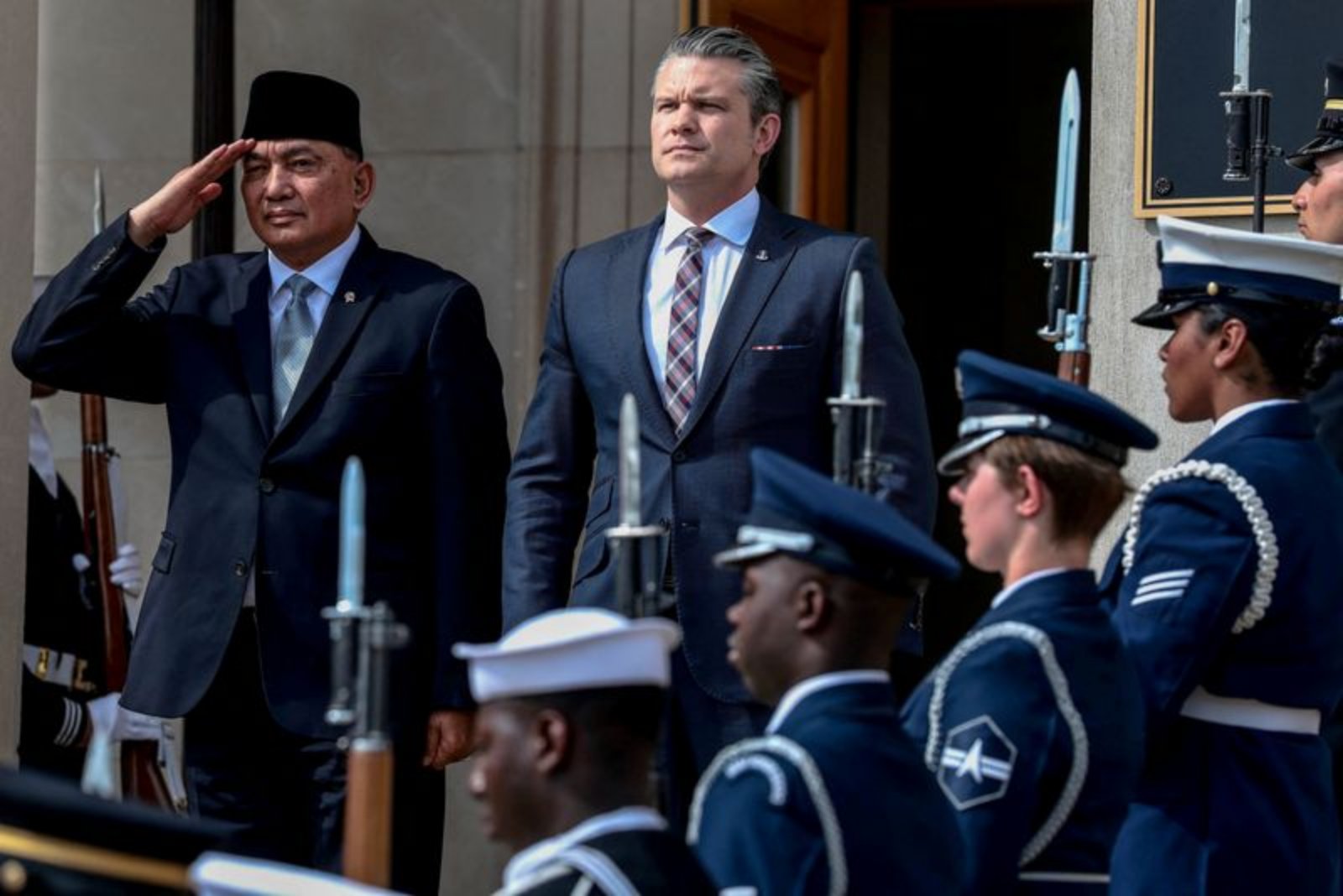
Indonesia’s foreign ministry has formally cautioned the defence ministry about a U.S. proposal to grant blanket permission for American military aircraft to fly over Indonesian territory, according to two Indonesian sources with knowledge of the matter. The cautionary communication was marked urgent and confidential and was delivered in early April ahead of a scheduled meeting in Washington between Defence Minister Sjafrie Sjamsoeddin and U.S. counterpart Pete Hegseth.
What the confidential letter said
The letter urged the defence ministry to delay any final agreement with Washington, saying the overflight proposal should be treated with caution. It flagged several concerns, including the risk that broad overflight rights would permit the United States to maximise surveillance and reconnaissance across Indonesian waters and territory. The note warned this could affect Indonesia’s relationships with other strategic partners in the region, naming China explicitly.
Officials who reviewed the letter said it also cautioned that such an agreement could create the impression that Indonesia was allied with the United States, with implications for national security risks because it might place Indonesia as a potential target in a regional conflict.
Timing and diplomatic context
The confidential note arrived before the Washington meeting between Sjafrie and Hegseth, which the two Indonesian sources said was supposed to include signing of the overflight proposal on Monday. It is not clear whether the specific overflight proposal was raised during that meeting. Following the session, a Pentagon statement said the countries established a major defence cooperation partnership and outlined various ways to deepen defence ties, but it did not mention overflights.
A U.S. official, speaking on condition of anonymity, said the omission from the public statement did not mean the subject had not been discussed in private. The Pentagon did not immediately respond to requests for comment on the record.
Jakarta’s official response
Indonesia’s defence ministry did not directly answer Reuters questions about whether the matter had been discussed in Washington, but it said the U.S. proposal was being carefully reviewed. The defence ministry noted Jakarta had made several adjustments to its position to safeguard Indonesia’s sovereignty and national interests.
Geostrategic sensitivities
Indonesia, an archipelagic nation composed of more than 17,000 islands, occupies a strategic location near the southern approaches to the South China Sea and controls the Natuna Islands. The South China Sea is a major maritime thoroughfare and, as noted in the foreign ministry letter, carries more than $3 trillion in annual commerce. China asserts sovereignty over nearly the entire sea, despite overlapping claims from the Philippines, Brunei, Malaysia and Vietnam.
The foreign ministry’s letter also referenced specific operational concerns: it cited 18 occasions between January 2024 and April 2025 on which U.S. military aircraft carried out surveillance operations in the South China Sea that Jakarta regards as violations of Indonesia’s territorial waters and airspace. The letter said Indonesia’s protests over those operations had not received a proper response from the United States.
Diplomatic balancing and regional ties
The note from the foreign ministry underscores Indonesia’s effort to maintain a non-aligned foreign policy. President Prabowo Subianto has pledged to befriend all countries. Indonesia is participating in the Board of Peace initiative led by U.S. President Donald Trump and has committed the largest contingent of troops proposed for a stabilisation force in Gaza under that initiative.
At the same time, the president has sustained close ties with Beijing. His first foreign trip as president in 2024 was to Beijing, and he attended a military parade hosted by President Xi Jinping late last year, where he was photographed alongside leaders from Russia and North Korea. Separately, the United States and Australia joined the Philippines for their second joint maritime exercises in the South China Sea this year amid tensions with China over the disputed waters.
Commentary and next steps
The foreign ministry’s instruction to delay a final agreement signals Jakarta’s cautious approach to balancing its defence ties with Washington against its broader regional relationships and sovereignty concerns. Spokespersons for Indonesia’s foreign and defence ministries, as well as the Pentagon, did not immediately respond to requests for comment about the reservations raised in the foreign ministry letter.
For now, Jakarta is publicly describing the U.S. proposal as under careful review, with adjustments being considered to protect Indonesian sovereignty and national interests. The diplomatic exchanges and the confidential warning from the foreign ministry illustrate the sensitivity of defence cooperation arrangements that intersect with contested maritime zones and broader strategic competition in the region.
Summary of documented facts
- A confidential, urgent letter from Indonesia’s foreign ministry warned the defence ministry about a U.S. overflight proposal.
- The letter was delivered in early April ahead of a Washington meeting between Defence Minister Sjafrie Sjamsoeddin and U.S. counterpart Pete Hegseth.
- The foreign ministry advised delaying any final agreement and flagged risks including increased surveillance, diplomatic fallout with partners such as China, and heightened national security exposure.
- The Pentagon’s post-meeting statement described a major defence cooperation partnership but did not mention overflights; a U.S. official said absence from the statement does not confirm non-discussion in private.
- Indonesia regards 18 U.S. surveillance flights between January 2024 and April 2025 as violations of its waters and airspace and says its protests were not properly answered.