
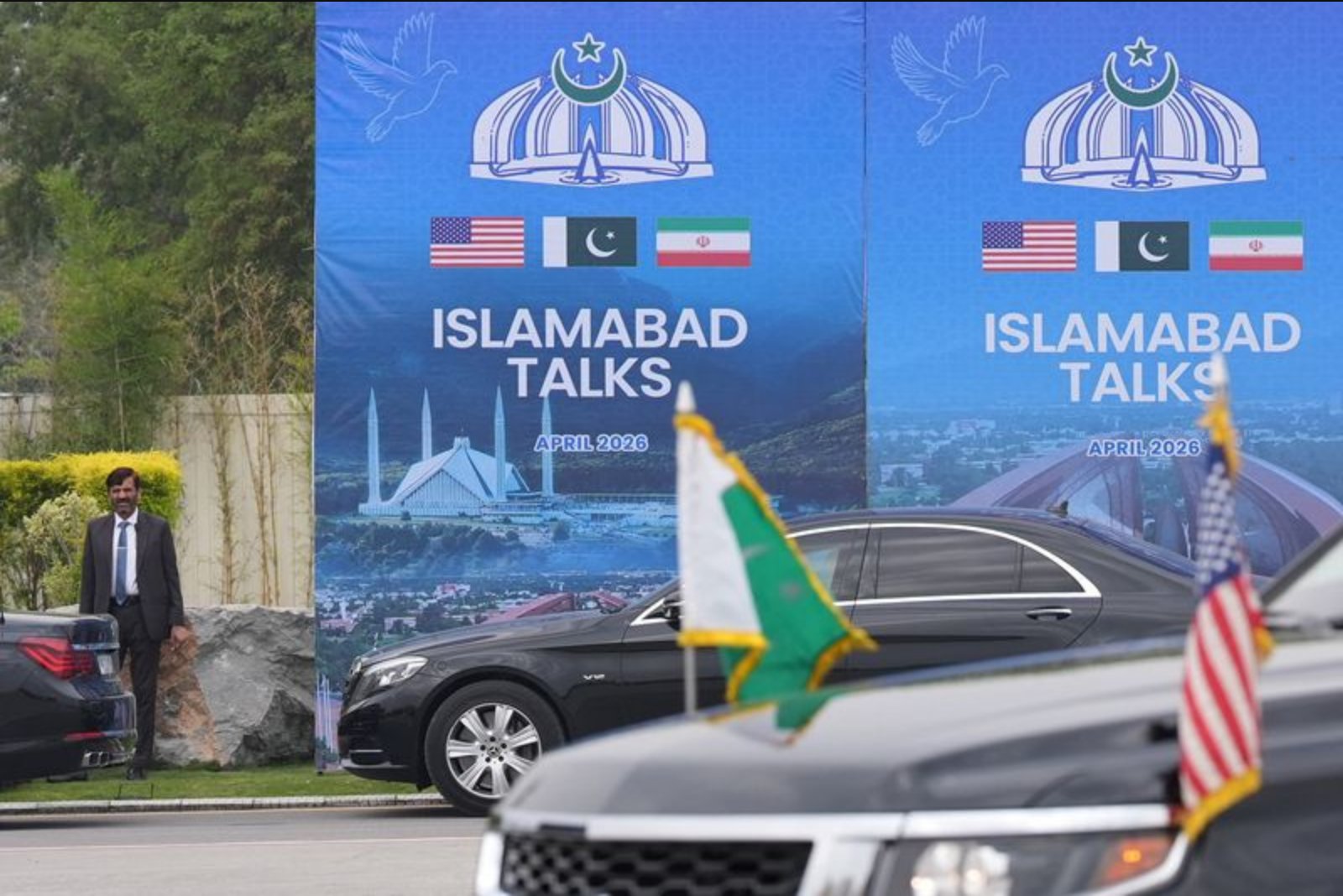
Negotiating teams representing the United States and Iran may return to Islamabad later this week, five sources told Reuters on Tuesday, following a round of high-level talks that concluded without a breakthrough.
One source involved in the discussions cautioned that no final date has been fixed, but added that both sides could reconvene as early as the end of this week. A senior Iranian source said the delegations were keeping Friday through Sunday open for a potential weekend meeting.
The previous session in Pakistan’s capital was organized to address the conflict between Washington and Tehran and took place four days after a ceasefire announcement. That meeting marked the first direct encounter between U.S. and Iranian officials in more than a decade and was the most senior engagement between the two countries since Iran’s 1979 Islamic Revolution.
According to one source, a proposal has been circulated to both Washington and Tehran inviting them to resend their delegates to resume the talks. Two Pakistani sources familiar with the discussions said Islamabad was in contact with both sides about the timing of a next round and that the meeting would likely occur over the weekend.
A senior Pakistani government official said, "We have reached out to Iran and we got a positive response that they will be open to a second round of talks." Pakistan’s foreign ministry, military and the prime minister’s office did not respond to requests for comment. The White House also did not immediately respond to a request for comment.
The last round of talks saw U.S. Vice President JD Vance lead the American delegation, while Iran was represented by Parliamentary Speaker Mohammad Baqer Qalibaf. The delegations sought to work through a range of issues, including the status of the Strait of Hormuz - a key global energy transit route that Iran has effectively blocked and which the U.S. has pledged to reopen - as well as matters related to Iran’s nuclear programme and international sanctions on Tehran.
After those talks concluded, Vance told reporters, "We leave here with a very simple proposal, a method of understanding that is our final and best offer." He added, "We’ll see if the Iranians accept it."
Any renewed meetings would follow closely on the heels of the initial high-level engagement and would test whether the two sides are willing to continue direct negotiations on the issues tabled in Islamabad. Observers involved in arranging the diplomacy say scheduling remains tentative and dependent on responses from both capitals.
At this stage, the potential resumption of talks is being coordinated through Pakistani intermediaries, with Islamabad acting as the host and go-between for the delegations. The precise agenda for any follow-on discussions has not been publicly detailed beyond the broad topics raised in the previous round.
Sources emphasize that while contacts continue and invitations have been extended, a confirmed date for another meeting has not been agreed.