
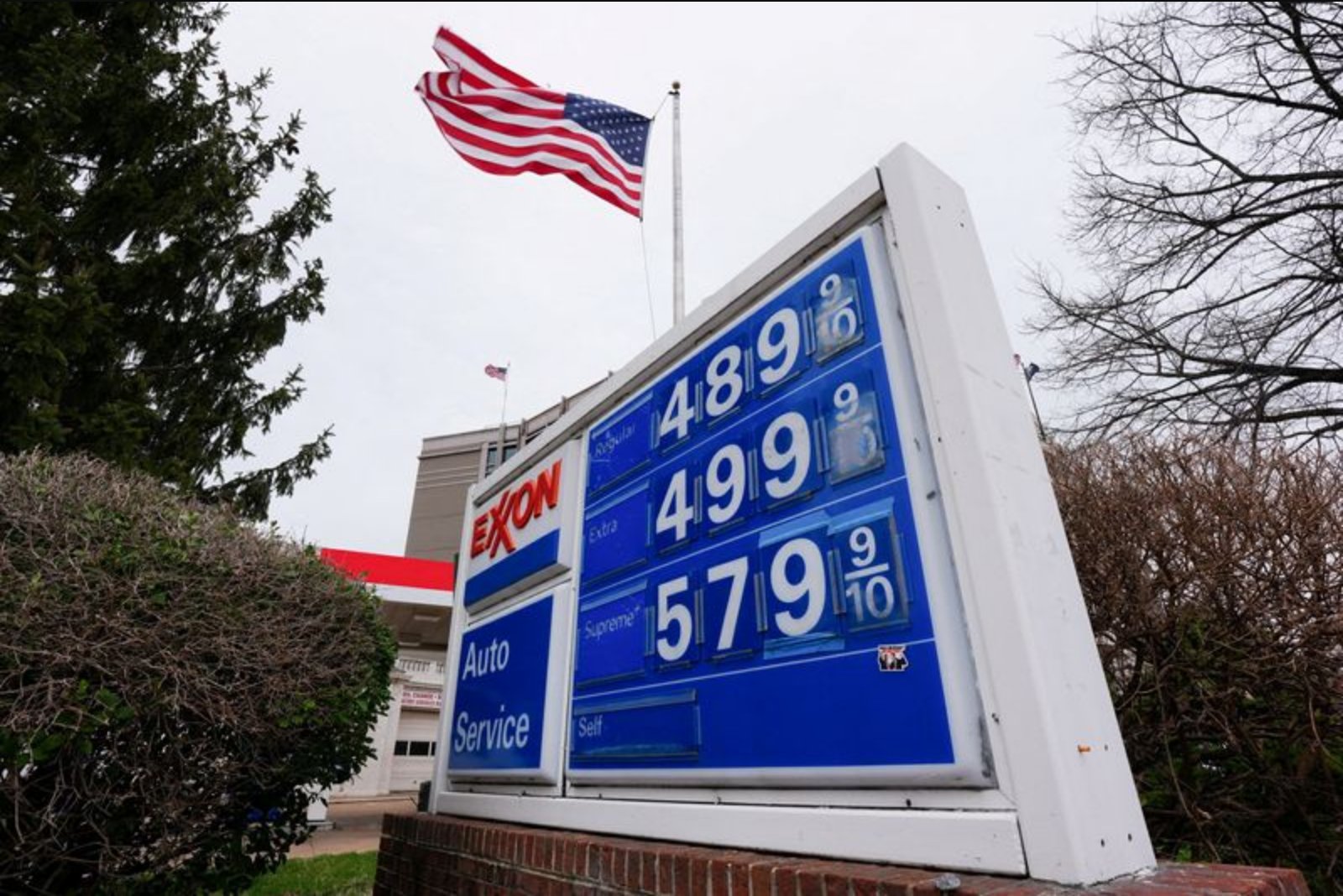
The U.S. trucking industry is confronting a sharp rise in diesel costs tied to the Iran war and related oil price shocks, with fuel now representing an exceptionally heavy burden for carriers ranging from large national fleets to single-truck owner-operators.
Diesel is the second-largest operating expense for trucking firms, and the national average retail price has increased by $1.89, or 50%, since the conflict effectively halted shipping through the Strait of Hormuz, a crucial corridor for global energy flows. The surge in crude oil prices that underpins diesel and gasoline has pushed up transportation expenses and contributed to higher prices for many consumer goods.
Industry participants and analysts say relief is not apparent. Diesel prices in major logistics hubs, including California and Texas, have reached all-time highs, and observers described a ceasefire announced last week by the U.S. and Iran as fragile. Further volatility in oil markets has followed ceasefire talks that yielded no agreement over the weekend, a development that sent oil prices sharply higher and intensified concerns about potential disruptions to flows through the Strait of Hormuz.
Trucking serves as a key indicator of economic activity. In 2024, the sector moved 11.3 billion tons of freight - nearly three-quarters of the national total for manufactured and retail goods - and generated $906 billion in revenue, according to figures cited by the American Trucking Associations.
Fuel spend data collected from U.S. fleets shows the immediate financial impact. As of Monday, U.S. fleets on average paid $5.52 per gallon for diesel, topping the previous all-time high of $5.50 recorded in June 2022 after the Russia-Ukraine conflict began. That average comes from fleet management technology provider Samsara, which calculates fuel spend accounting for discounts and surcharges using data from more than 5,500 fleets of all sizes across the United States and representing nearly 1 billion gallons of fuel purchases.
"Not one firm had $5.60 a gallon diesel on their proverbial budget bingo card for 2026," said Jason Miller, a supply chain professor at Michigan State University.
Major transportation companies are sounding the alarm, too. Delivery firm FedEx warned that the fallout from the U.S.-Israeli war on Iran could weigh on fourth-quarter performance if soaring fuel costs prompt customers to curb shipments or otherwise pull back.
The pain is concentrated among smaller carriers and owner-operators. A March survey by DAT Freight & Analytics of more than 540 trucking firms found that 18% had stopped operations in response to the spike in fuel prices. About 44% said they were being more selective about load weights, and roughly 45% reported driving fewer miles. The surveyed firms were varied in size and located across the United States.
U.S. trucking is overwhelmingly composed of small businesses. As of June 2025 there were nearly 580,000 active U.S. motor carriers registered, with 91.5% operating 10 or fewer trucks, according to American Trucking Associations citing Department of Transportation data. That structure leaves many businesses exposed when fuel costs jump.
DAT's principal analyst Dean Croke said the rise in diesel prices wiped out profits for most small carriers and owner-operators for December, January and February, while most other operators remain only slightly above breakeven.
Personal accounts underscore the strain on independent drivers. Heather Hickson Griffith, a former Marine with more than a decade behind the wheel, is paying up to $8 per gallon in California. She runs heavy equipment hauls from an Oklahoma-based company and has had to cut living expenses, including stopping eating at restaurants, to conserve savings. Her husband, Daniel Griffith, is running cargoes on the East Coast where fuel is cheaper. Their company, GKZ Trucking, employs 21 owner-operators and lacks the negotiating power of large firms to secure volume discounts or to more easily pass fuel costs on to customers.
"By the end of the year I am going to be hurting to the point of no return," Hickson Griffith said.
Independent drivers who pay for fuel out of pocket can face difficulty obtaining customer reimbursements when prices rise, whereas large carriers often negotiate volume discounts and apply fuel surcharges to recoup higher costs.
Analysts warn of broader industry consequences. Avery Vise, vice president of trucking at FTR Transportation Intelligence, said the current environment could force thousands of small operators out of business, reducing available trucking capacity at a time when the sector is already tight. Vise also forecast freight rates rising even more sharply than they did in 2022.
Transportation is a variable component of the cost structure of consumer goods. While it represents a small portion of overall costs for many items, transportation can account for more than 20% of the cost for staples such as milk, researchers at the Texas A&M Transportation Institute found. Despite the current spike, inflation tied to fuel remains below the levels seen during the 2022 energy shock related to the Russia-Ukraine war, when pandemic-related supply chain disruptions and large federal spending pushed prices higher.
There are political consequences as well. High fuel prices have become a political concern for President Donald Trump and his Republican Party with midterm elections approaching. Several states, including California, Hawaii, Nevada, North Carolina and Texas, have reported diesel prices at record highs since the Middle East conflict escalated.
Samsara's head of insights, Kelly Soderlund, noted that diesel price increases have outpaced gasoline rises, a divergence from early days of the Ukraine conflict when diesel and gasoline rose in tandem. That disparity means the trucking industry is feeling a heavier hit than typical motorists and consumers, Soderlund said.
Patrick De Haan, head of petroleum analysis at GasBuddy, warned that moves toward a full blockade of the Strait of Hormuz are compounding global supply concerns and risk further disrupting flows.
For now, trucking firms, drivers and shippers are adjusting operations to cope with elevated diesel costs, but the combination of record fuel expenses, fragile ceasefire prospects and volatile oil markets leaves the sector exposed to continued financial stress and potential reductions in freight activity.