
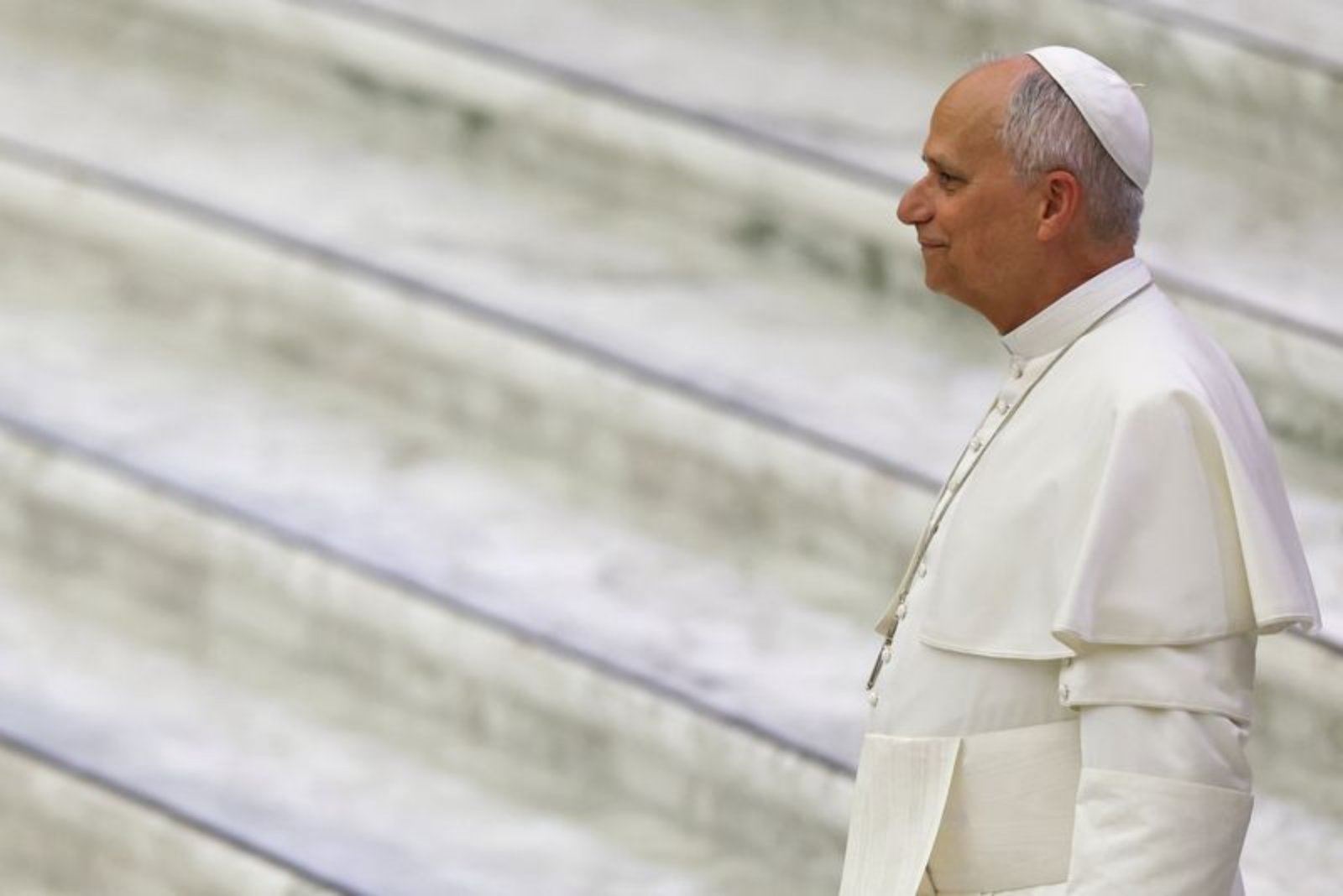
Pope Leo on Sunday castigated those who wage wars and seize the earth's resources, saying such actors act as thieves who rob future generations of peace. The pontiff framed his remarks as a broader warning about the use of nuclear power while noting the 40th anniversary of the Chornobyl reactor accident.
Ukraine marked the anniversary on Sunday, the day described in news coverage as the 40th year since the world's worst nuclear disaster, and officials there and elsewhere have expressed lingering fears that Russia's four-year-old war could precipitate a repeat of that tragedy.
Delivering his weekly remarks after the Angelus prayer, Pope Leo said the Chornobyl accident had left an indelible impression on humankind's collective conscience. "It remains a warning over the use of ever more powerful technologies," he said, underscoring concern about the trajectory of technological capacity.
He continued to emphasize responsibility at the levels of those who make policy decisions. "I hope that at all decision-making levels, wisdom and responsibility always prevail, so that atomic power can always be used to support life and peace," he added.
In his reflection on the day's Gospel, which includes the image of a sheep thief, the Pope extended the metaphor to contemporary forms of theft. He said thieves today appear in many guises and provided a non-exhaustive list of examples: "superficial lifestyles driven by consumerism", prejudices and wrong ideas.
"And let’s not forget also those thieves who, by plundering the earth’s resources, by fighting bloody wars or feeding evil in whichever form, are simply taking away from all of us the chance of a future of peace and serenity," he added.
The pontiff has recently returned from a 10-day tour across four African nations. The coverage notes that Leo, identified in the story as the first U.S. pontiff, has drawn the ire of President Donald Trump after becoming more vocal against war and despotism.
These comments tie together concerns about nuclear risk, the human and environmental consequences of conflict, and the moral dimensions of resource exploitation. The Pope's appeals center on prudence in technological deployment and on the ethical obligations of decision-makers to preserve conditions for peace.