
Commodities April 26, 2026 07:12 AM

Wong to Hold Energy Security Talks in Tokyo, Beijing and Seoul Amid Middle East Disruption

Australian foreign minister to meet regional counterparts to coordinate responses to fuel market upheaval and discuss bilateral ties

By Avery Klein
Wong to Hold Energy Security Talks in Tokyo, Beijing and Seoul Amid Middle East Disruption

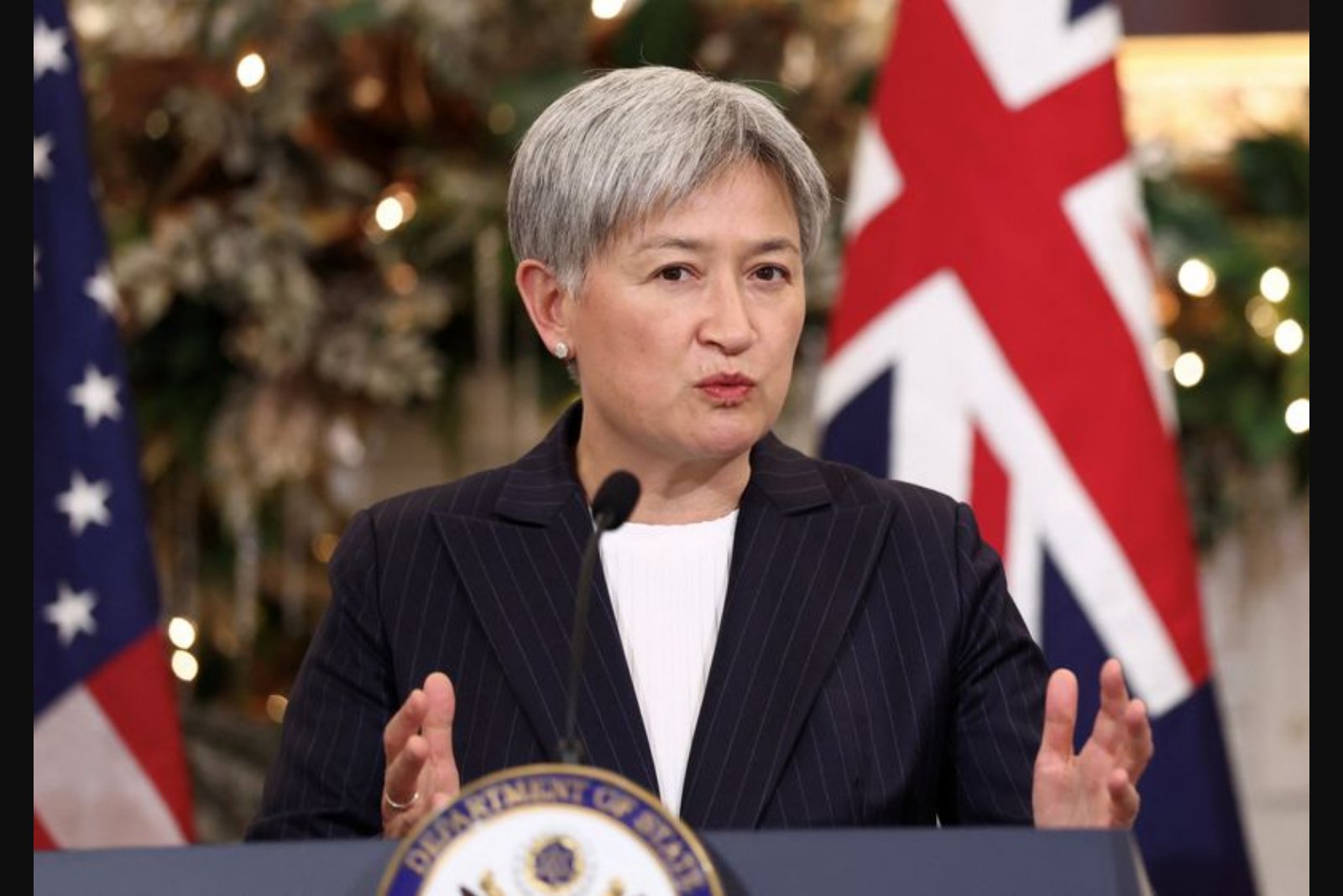
Australia's Foreign Minister Penny Wong will travel to Japan, China and South Korea this week to hold high-level discussions focused on energy and fuel security amid disruptions tied to the Middle East conflict. Wong said the meetings aim to ensure effective coordination as global energy markets face upheaval, and will include the eighth Australia-China Foreign and Strategic Dialogue in Beijing.

Key Points

  • Penny Wong will visit Japan, China and South Korea this week to hold talks focused on energy and fuel security amid disruptions from the Middle East conflict - sectors impacted include energy markets and refined fuels.
  • In Tokyo Wong will meet Japan's Foreign Minister Toshimitsu Motegi to discuss energy and fuel security and the Middle East conflict - implications for regional energy coordination and trade flows.
  • In Beijing Wong will join the eighth Australia-China Foreign and Strategic Dialogue with Wang Yi to "progress the full range of our interests and manage our differences"; in Seoul she will meet Cho Hyun, noting South Korea as "one of Australia's most important sources of refined fuels" - this affects refining and import-dependent supply chains.

Australia's foreign minister will undertake a regional diplomatic tour this week, visiting Japan, China and South Korea for talks centred on energy security in the wake of supply disruptions linked to the Middle East conflict.

In a statement, Penny Wong said the meetings with her counterparts in Tokyo, Beijing and Seoul would "help ensure we are coordinating effectively" as global energy markets experience upheaval. She framed the trip as an effort to align policies and responses among key partners on issues related to energy and fuel supplies.

In Tokyo, Wong will meet with Japan's foreign minister Toshimitsu Motegi to discuss both energy and fuel security and the ongoing Middle East conflict. The Tokyo leg of the trip is positioned around ensuring continuity of supply and discussing immediate market pressures created by the conflict.

Wong's visit to Beijing will include the eighth Australia-China Foreign and Strategic Dialogue with China's foreign minister Wang Yi. She said the dialogue will "progress the full range of our interests and manage our differences", indicating a broad agenda that spans cooperation and points of contention between the two countries.

In Seoul, Wong will hold talks with South Korea's foreign minister Cho Hyun. She described South Korea as "one of Australia's most important sources of refined fuels", underscoring the bilateral relationship's role in Australia's fuel supply chain.

Those discussions come as Australia, which imports most of its fuel, has encountered localised shortages since the Middle East conflict began in February. The shortages have contributed to the rationale for the ministerial visits, as officials seek to mitigate immediate impacts on domestic fuel availability and coordinate with regional partners.

The visit signals a diplomatic push to address near-term energy market instability while engaging bilateral and multilateral channels to manage broader strategic relationships in East Asia. The planned meetings combine focused conversations on fuel security with wider strategic dialogue, particularly in the Australia-China session.


Readout: The sequence of meetings will cover energy and fuel security, the Middle East conflict and the Australia-China strategic agenda, with a specific emphasis on coordination across key regional partners to address market disruptions.

Risks

  • Ongoing disruptions tied to the Middle East conflict pose continued risk to fuel supply and could exacerbate localised shortages in Australia - this impacts domestic fuel markets and sectors reliant on refined fuels.
  • Differences in strategic and trade priorities between Australia and China could limit the scope of cooperative outcomes from the Australia-China Foreign and Strategic Dialogue - this introduces uncertainty for bilateral initiatives related to energy and broader interests.
  • Reliance on imported refined fuels, with South Korea identified as a key source, creates vulnerability in Australia's fuel supply chain if regional diplomatic or logistical issues arise - this affects refining, transport and energy-intensive industries.

More from Commodities

Heavy gunfire continues near Bamako as UN urges coordinated response after large-scale assaults Apr 26, 2026 Strait of Hormuz Shutdown Puts Prolonged Upward Pressure on Global LNG Prices Apr 26, 2026 Coordinated Assaults Strike Mali Army Bases and Northern Towns; Al Qaeda-Linked Group and Tuareg Rebels Claim Responsibility Apr 25, 2026 U.S. Adjusts Venezuela Sanctions to Permit Payment for Maduro’s Defense Apr 25, 2026 Drone Strike Damages High-Rise in Yekaterinburg, Regional Governor Says Apr 25, 2026