
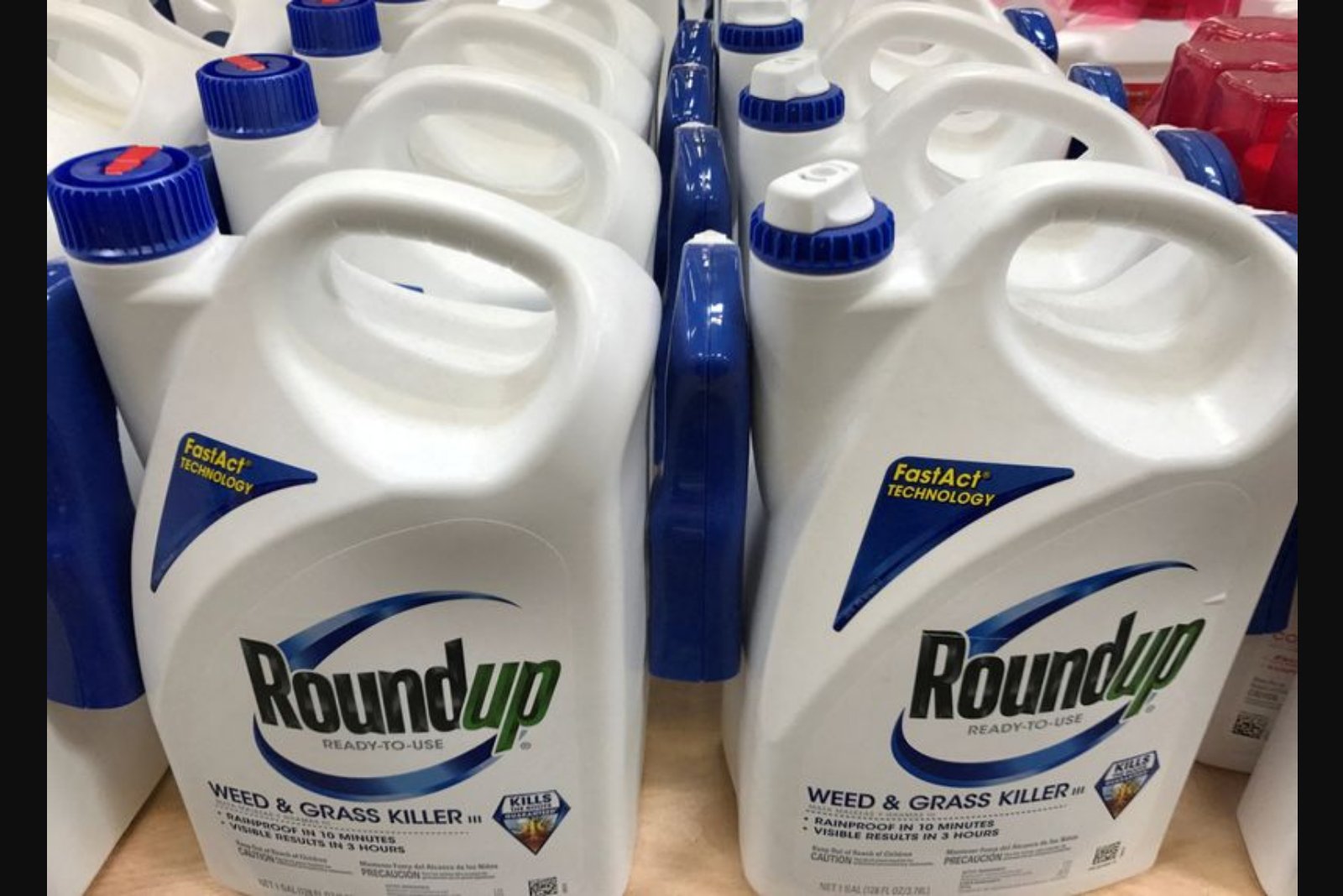
On April 26 the U.S. Supreme Court took up a pivotal appeal from Bayer in litigation that has spanned years and dozens of trials: whether federal pesticide labeling law displaces state-law claims alleging that the company failed to warn consumers that Roundup could cause cancer. The dispute arises from a case in which a St. Louis jury awarded $1.25 million to a plaintiff who said he developed non-Hodgkin lymphoma after prolonged exposure to Roundup; that verdict was upheld by the Missouri Court of Appeals.
The question before the justices is narrow in statutory terms but broad in practical reach. Bayer maintains that the U.S. Environmental Protection Agency - which it says has found no cancer risk from glyphosate and does not require a cancer warning on Roundup labels - occupies the field such that plaintiffs cannot pursue state-law failure-to-warn claims. The Trump administration has filed in support of Bayer’s position. The Supreme Court’s ruling, anticipated by the end of June, could materially limit one of the most common claims in the roughly 65,000 Roundup lawsuits pending in state and federal courts across the country.
Background of the case
The appeal stems from litigation brought by a plaintiff who asserted that extended use of Roundup resulted in a diagnosis of non-Hodgkin lymphoma, a form of blood cancer. A St. Louis jury awarded the plaintiff $1.25 million, and the Missouri Court of Appeals left that verdict intact. That decision has now been challenged in the Supreme Court on the legal theory that federal pesticide labeling requirements preempt state law claims that would impose a duty to warn about a cancer risk the EPA has not recognized.
Bayer faces a large volume of similar allegations, with plaintiffs across dozens of cases asserting that Roundup exposure led to cancer. Those suits, which began in significant numbers in 2015, include claims by individuals who used the product at home and by people exposed to it in work settings. Bayer’s public position, as reflected in the material before the court, is that decades of study support the safety of Roundup and glyphosate for human use.
Settlement terms and current status
In February Bayer reached a proposed settlement worth $7.25 billion with attorneys representing a nationwide class of plaintiffs who claim Roundup exposure caused cancer. The company has described the agreement as intended to resolve most of the remaining cases and to provide for potential future claims from people already exposed who later develop cancer. A state court judge in Missouri gave initial approval to the proposed settlement in March, but final approval is still pending; a hearing on final approval is scheduled for July.
The settlement does not cover all litigation: a small subset of cases that are in federal court are not included in the state-court settlement framework. Individuals named in the settlement process have until June 4 to decide whether to opt out of the deal and pursue their claims independently in court. That deadline may precede the Supreme Court’s decision, meaning some plaintiffs will need to make a choice about participation without knowing the outcome of the high court’s ruling.
How a Supreme Court ruling could affect ongoing suits
A ruling that federal pesticide labeling law preempts state-law failure-to-warn claims would directly undercut one of the most common allegations plaintiffs make in the Roundup litigation: that Bayer failed to put a cancer warning on product labels. Such a decision would remove that particular theory from the toolbox of plaintiffs who opt out of the settlement or whose cases remain outside the settlement’s scope. The Supreme Court’s decision would not, however, automatically end all litigation involving Roundup.
Many lawsuits contain other theories beyond failure-to-warn that could survive a preemption ruling: claims of negligence, accusations that Bayer misrepresented Roundup’s safety in marketing, and allegations that the product was defective for its intended purpose. Those causes of action could proceed even if the high court limits state-law labeling claims. Bayer may seek to use a favorable Supreme Court decision to argue that remaining claims should be dismissed, and a ruling for the company could also bolster its position on appeal in cases it lost at trial.
Interaction between the ruling and the settlement
Importantly for claimants, the Supreme Court’s decision would not retroactively change the terms of the $7.25 billion settlement. Individuals who accept the settlement will do so under the agreed terms regardless of the high court’s outcome. Plaintiffs who choose to opt out and continue litigation could face constraints on the claims they are able to bring if the court holds for Bayer. Federal cases outside the settlement’s scope would likewise be affected by a ruling that narrows state-law labeling claims.
The timing creates a practical risk for plaintiffs: the opt-out deadline of June 4 may arrive before a decision is issued, forcing some to elect whether to remain in the settlement without the benefit of the Supreme Court’s guidance. Plaintiffs and counsel will therefore need to weigh the certainty of settlement proceeds against the possibility that litigation strategies could be materially altered by the court’s ruling.
Takeaway
The Supreme Court’s decision, expected by the end of June, addresses a legal question with significant procedural and strategic consequences but does not alone resolve the larger factual disputes at the heart of thousands of cases alleging Roundup-related cancer. A ruling for Bayer could narrow the state-law claims available to plaintiffs and help the company in pending appeals, while a ruling against Bayer would preserve those state-law failure-to-warn theories. Either way, the settlement process for many claimants will continue under its existing terms, and a sizable portion of litigation will remain governed by claims that the high court’s decision does not directly eliminate.