
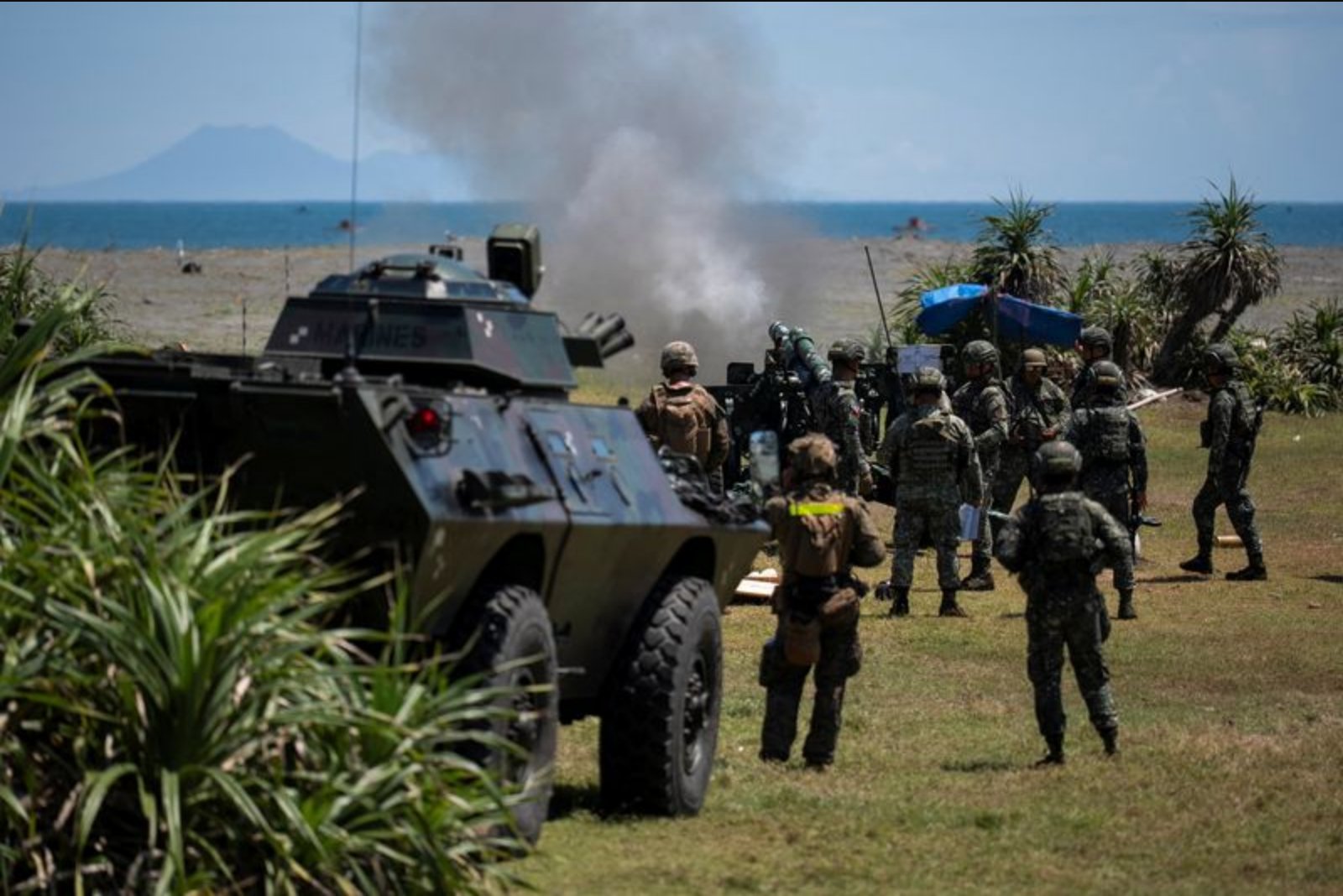
Manila will host a significantly expanded iteration of the annual Balikatan drills from April 20 to May 8, bringing together the Philippines, the United States and a growing roster of partner countries in one of the largest and most complex training programmes to date. Organisers say the exercises will involve more than 17,000 troops and will take place across multiple locations in the Philippine archipelago.
At a press briefing in Manila, Colonel Robert Bunn, the U.S. spokesperson for the exercises, described Balikatan as a chance to make tangible the alliance between Washington and Manila. "Balikatan represents an opportunity to showcase our ironclad alliance with the Philippines and demonstrate our commitment to a free and open Indo-Pacific," he said, framing the drills as both a demonstration of partnership and of commitment to regional norms.
The scope of participation has widened this year. Japan is increasing its role, sending members of its Self-Defense Force to take part in live-fire drills for the first time. During a maritime strike exercise, Japanese units will employ a Type 88 surface-to-ship missile to help sink a decommissioned vessel, according to exercise plans. The expanded Japanese role follows a reciprocal access agreement signed between Tokyo and Manila in 2024, which permits their militaries to operate on each other's territory.
Additional partners joining the exercises include Canada, France, New Zealand and Australia, each contributing naval vessels, aircraft and personnel. U.S. and Philippine officials said thousands of U.S. service members will deploy to the Philippines for the training, which organisers said is intended to bolster alliance readiness and support regional stability.
Activities in the drills will cover a wide range of operational domains - air, land, sea and cyber. Specific elements listed by organisers include maritime operations, integrated air and missile defence, counter-landing live-fire exercises, and humanitarian missions. Philippine military spokespeople emphasised that the drills are aimed at strengthening defence capabilities rather than targeting any particular country.
Colonel Dennis Hernandez, the Philippine spokesperson for the exercises, reiterated that the country has the right to improve its defence posture, and he stressed that the drills are not directed at any country. The announcement came against a backdrop of heightened friction between Manila and Beijing in the South China Sea, where Philippine authorities have accused China of increasingly aggressive actions - allegations that Beijing rejects.
U.S. planners said the size and complexity of this year’s Balikatan reflect their sustained focus on the Indo-Pacific despite competing global demands, noting that global attention remains partly fixed on the Middle East. The multinational nature of the exercises and the range of capabilities exercised are intended to demonstrate interoperability among partner forces while rehearsing responses that span conventional and humanitarian tasks.
Key takeaways
- The Balikatan exercises will run from April 20 to May 8 and involve more than 17,000 troops across multiple Philippine sites.
- Japan will expand participation by contributing Self-Defense Force units in live-fire maritime strike drills using a Type 88 missile; Canada, France, New Zealand and Australia will also contribute forces and assets.
- Operations will span air, land, sea and cyber domains, including integrated air and missile defence, counter-landing live-fire, maritime operations and humanitarian missions.
Context and implications
The exercises are being presented by U.S. and Philippine officials as a reaffirmation of treaty ties and regional commitment. They take place amid reported tensions in the South China Sea between the Philippines and China, and against a backdrop of other global crises that continue to draw international attention and resources.