
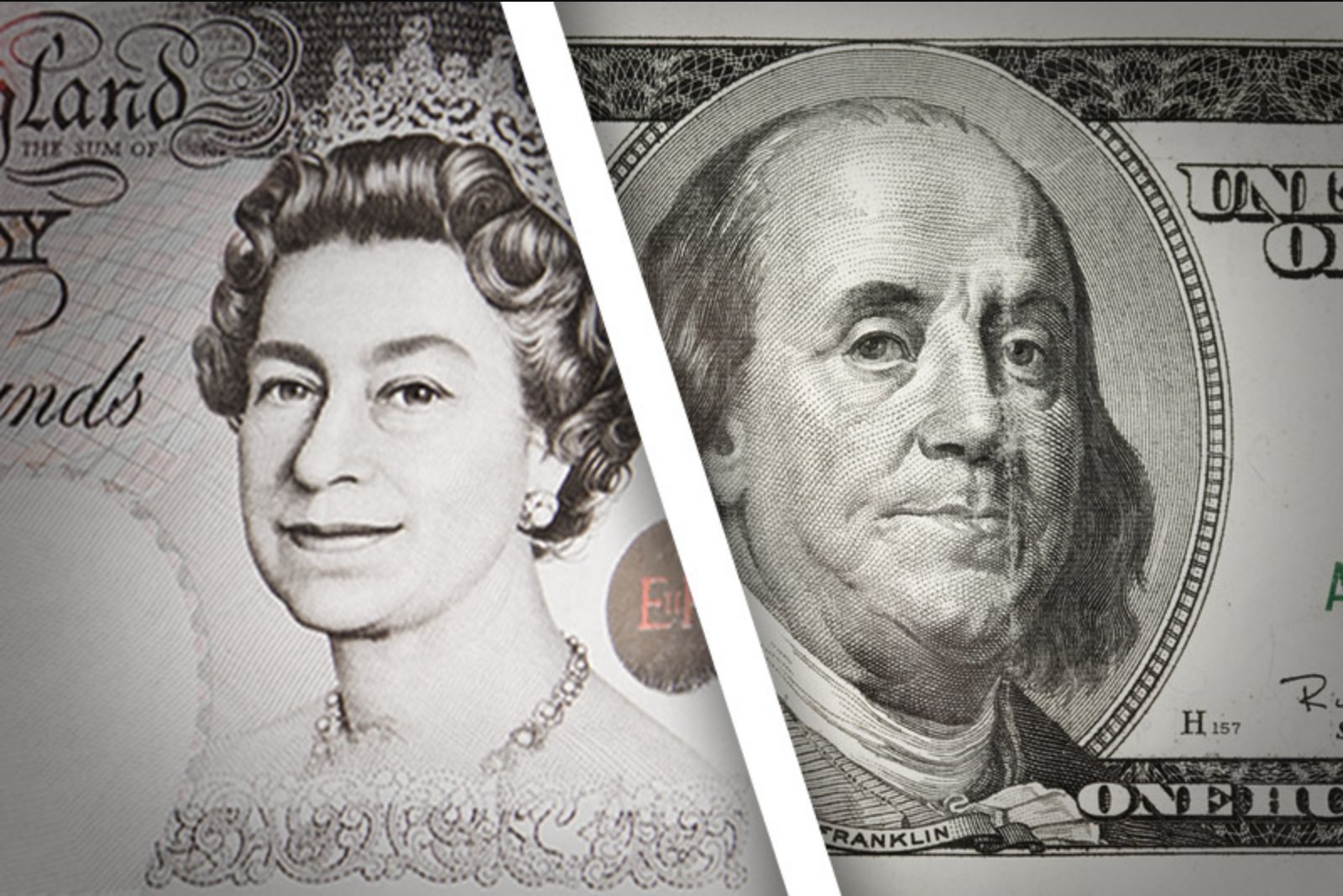
Sterling firmed on Tuesday as a softer dollar and improved risk appetite reduced demand for safe-haven currencies. At 04:30 ET (08:30 GMT), GBP/USD was up 0.3% at 1.3535, and EUR/USD had risen 0.2% to 1.1780, with the dollar remaining under pressure after a short-lived rebound in the prior session.
Market participants placed greater odds on a scenario in which tensions in the Middle East - particularly those focused on the Strait of Hormuz - steer toward renewed negotiations rather than further military escalation. That shift in expectations helped calm fears of an extended supply shock and loosened the bid for the dollar.
Oil prices, which had climbed on concerns about potential disruptions to flows, have since eased. The retreat in crude removed a key pillar of support for the greenback and encouraged capital to move into risk-sensitive currencies such as the pound and the euro.
Analysts at ING Group said markets were "heavily tilted" toward a benign geopolitical outcome, noting that much of the positive sentiment now appears priced into asset prices. They added that while the dollar could bounce back if hostilities increase again, a sustained recovery in the greenback would likely require a substantial escalation.
In Europe, the euro remained close to recent highs as investors prepared for comments from European Central Bank President Christine Lagarde later in the day. Policymakers in the region are expected to preserve a relatively hawkish stance against a backdrop of ongoing uncertainty in energy markets.
Sterling also found support ahead of speeches from Bank of England Governor Andrew Bailey and other BOE officials. However, some analysts warned that market expectations for additional policy tightening in the UK may be exaggerated. ING noted it does not expect the Bank of England to implement as many rate hikes as markets are currently pricing, a factor that could cap further gains in the pound.
With no major economic data scheduled for release, currency markets are likely to remain driven by developments in geopolitics and their effects on energy prices and broader risk appetite.