
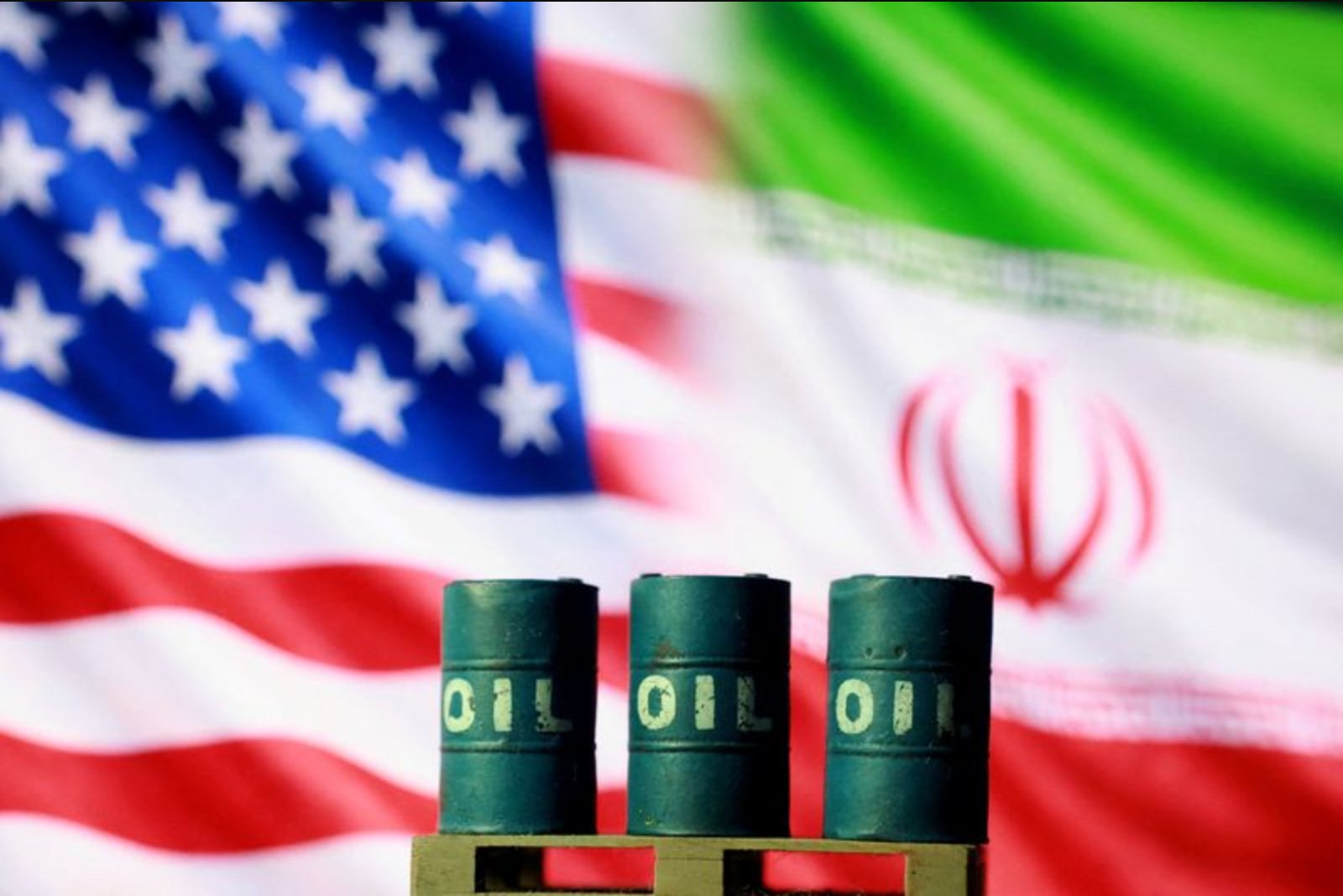
Two administration officials said on Tuesday that Washington will permit a 30-day waiver on sanctions for Iranian oil at sea to lapse later this week, even as U.S. forces maintain a blockade on crude shipments departing Iranian ports.
The temporary exemption, issued by the Treasury Department on March 20, allowed an estimated 140 million barrels of Iranian oil to reach international markets and was cited by Treasury Secretary Scott Bessent as having helped relieve pressure on global energy supply during the war on Iran. That waiver is due to expire on April 19.
Officials said the decision follows criticism from members of both parties who questioned the wisdom of temporarily loosening sanctions on Tehran and on Moscow at a time when the United States and Israel are engaged in conflict with Iran and Russia remains at war with Ukraine. The administration move to let the waiver lapse comes against that backdrop of heightened geopolitical tension.
One U.S. official described a range of authorities the administration can use against entities that purchase Iranian oil, explicitly including secondary sanctions. The official also referenced the snapback of U.N. sanctions on Iran and warned that Tehran has a history of attempting to conceal illicit activity behind apparently legitimate operations. "Any activity with Tehran could trigger additional sanctions," the source said.
Summary
The U.S. will allow a 30-day Treasury waiver that permitted Iranian oil at sea to enter global markets to expire this week, while enforcing a blockade on shipments from Iranian ports. The March 20 waiver enabled about 140 million barrels to reach markets and was described by Treasury Secretary Scott Bessent as easing energy supply pressures. Officials noted available tools, including secondary sanctions and U.N. snapback mechanisms, that could be applied to parties engaging with Tehran.
Key points
- The 30-day waiver issued on March 20 facilitated approximately 140 million barrels of Iranian oil reaching global markets and is set to expire on April 19.
- The administration is maintaining a blockade on shipments from Iranian ports while signaling the ability to apply secondary sanctions and other authorities against buyers of Iranian oil.
- Criticism from lawmakers across parties over temporary sanction relaxations on Tehran and Moscow factored into the policy environment surrounding the waiver's expiration.
Risks and uncertainties
- Potential for additional sanctions enforcement - impacts financial institutions and trading firms engaging with Iranian crude.
- Geopolitical tensions - continued conflict involving Iran and Russia contributes to uncertainty for energy markets and shipping.