
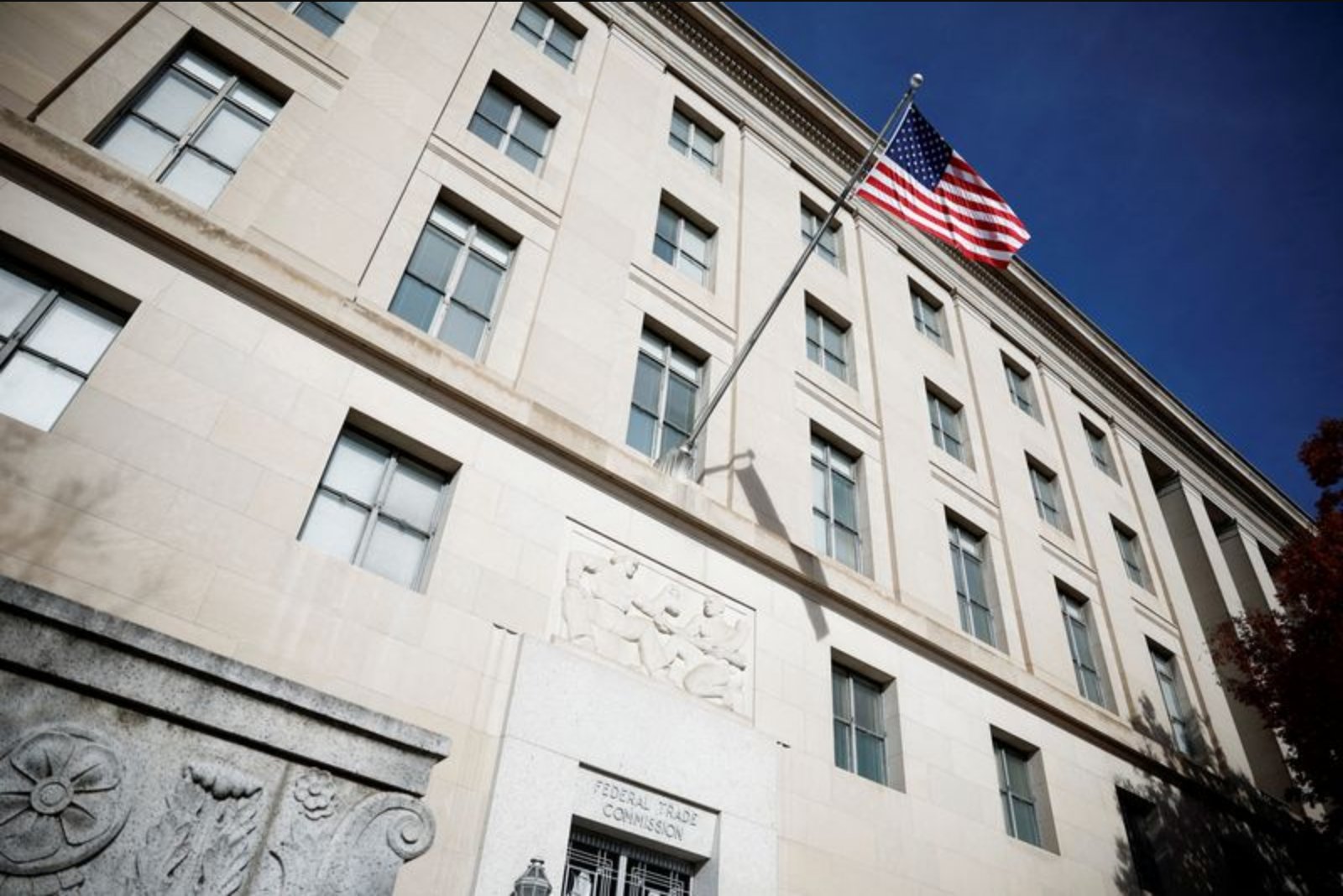
The U.S. Federal Trade Commission said it has resolved three separate lawsuits accusing businesses of falsely marketing products as made in the United States. The agency announced the settlements on Tuesday, one month after a presidential executive order directed the FTC to give priority to enforcement against companies that target patriotic consumers with misleading "Made in America" or "Made in the USA" claims.
In one case, the FTC said Americana Liberty, a Fort Lauderdale, Florida-based seller of American flags, will refund consumers a total of $167,743. The complaint alleged that Americana Liberty advertised flags and related products - including flagpoles and military flags - as "Made in the USA," "All-American Made" or "Built by Americans for Americans," while the items were sourced from China. A lawyer for Americana Liberty declined to comment.
The agency also reached settlements with two other companies. TouchTunes Music, a New York-based maker of electronic dart boards that the FTC said contained components from four non-U.S. countries, agreed to return $625,000 to consumers. Oak Street Bootmakers, a Chicago-based footwear maker whose products included materials from the Dominican Republic and Brazil, will provide $75,000 in consumer refunds, the FTC said.
In each settlement, the companies did not admit or deny the allegations as part of the agreement, the FTC said. The agency framed the enforcement actions as part of a stepped-up focus on misleading claims that appeal to consumers seeking American-made goods.
Context and immediate effect
The settlements require monetary reimbursement to affected consumers but do not include admissions of liability. The FTC reported the dollar amounts to be returned by each company and identified the specific foreign sourcing for the products at issue: flags from China in the Americana Liberty case; electronic dart board components from four non-U.S. countries in the TouchTunes matter; and footwear materials from the Dominican Republic and Brazil in the Oak Street Bootmakers case.
The FTC announced the three resolutions following an executive order from the President aimed at prioritizing enforcement on misleading "Made in America" claims, signaling regulatory attention on how companies represent product origins to consumers.
Key takeaways
- Three companies settled FTC actions alleging false "Made in the USA" marketing claims, agreeing to consumer reimbursements totaling $867,743.
- Americana Liberty will refund $167,743 for China-sourced flag products; TouchTunes Music will provide $625,000 for electronic dart boards with components from four non-U.S. countries; Oak Street Bootmakers will provide $75,000 for footwear using materials from the Dominican Republic and Brazil.
- None of the defendants admitted or denied wrongdoing in the settlement agreements.