
Oil futures moved lower in early Asian trade as markets reacted to growing uncertainty over maritime access and the diplomatic picture between the United States and Iran. By 19:22 ET (23:22 GMT) West Texas Intermediate crude was down 2.1% at $90.98 a barrel.
Prices had advanced strongly on Monday but retreated from intraday highs after U.S. President Donald Trump said that 34 ships had transited the Strait of Hormuz before the U.S. blockade commenced on Monday - the largest count since the Iran war began in late-February. That comment appeared to cool some of the premium investors had placed on immediate supply disruptions.
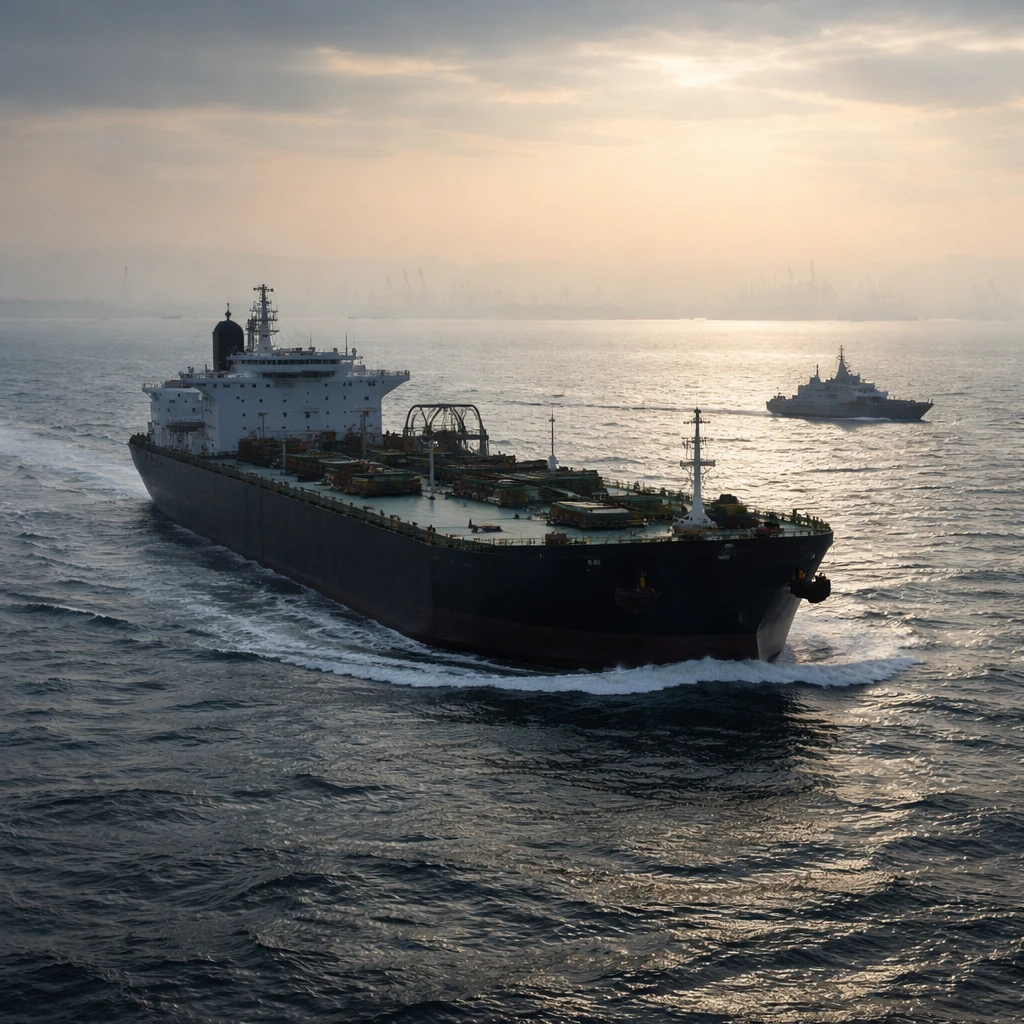
Real-time vessel tracking information showed most ships avoiding the crossing as of Tuesday morning, although a small number of oil tankers and general cargo vessels were recorded as having passed through in the previous 48 hours. These movements underscore a mixed picture at the chokepoint, where the extent of actual traffic and access remains uneven.
The U.S. initiated the blockade of Iranian ships and ports from Monday morning following weekend ceasefire talks that did not produce de-escalation. Sticking points in the negotiations included Tehran's nuclear enrichment activities, the timetable for fully reopening the Strait of Hormuz, and Iran's support for armed groups such as Hezbollah.
Official positions from the two capitals have hardened in public remarks. Iran stated it had no plans for further negotiations, while President Trump said he would not be concerned if Tehran opted to return to the negotiating table. At the same time, multiple reports indicated that countries elsewhere in Asia and the Middle East were working to arrange additional ceasefire discussions.
Despite the recent uptick in tensions, the tentative two-week ceasefire between the United States and Iran appeared to remain in effect as of Tuesday morning, with no confirmed reports of new strikes since at least Sunday. That relative calm is likely a factor weighing on the scale of the recent price movement.
Oil had already experienced an extraordinary month in March, posting record monthly gains as the U.S.-Israel war on Iran interrupted what market participants have estimated to be at least 20% of global oil supplies. In that period, Tehran effectively closed the Strait of Hormuz and engaged in attacks on energy infrastructure across the Middle East, leading to widespread production shutdowns that tightened supply.
Implications for markets and industry: The blockade and uneven shipping patterns increase near-term supply risk pricing for crude and impose added uncertainty on shipping and energy infrastructure sectors. Companies with exposure to tanker logistics, port operations, and regional production may face operating disruptions and elevated working-capital pressure if access through Hormuz remains constrained.