
Overview
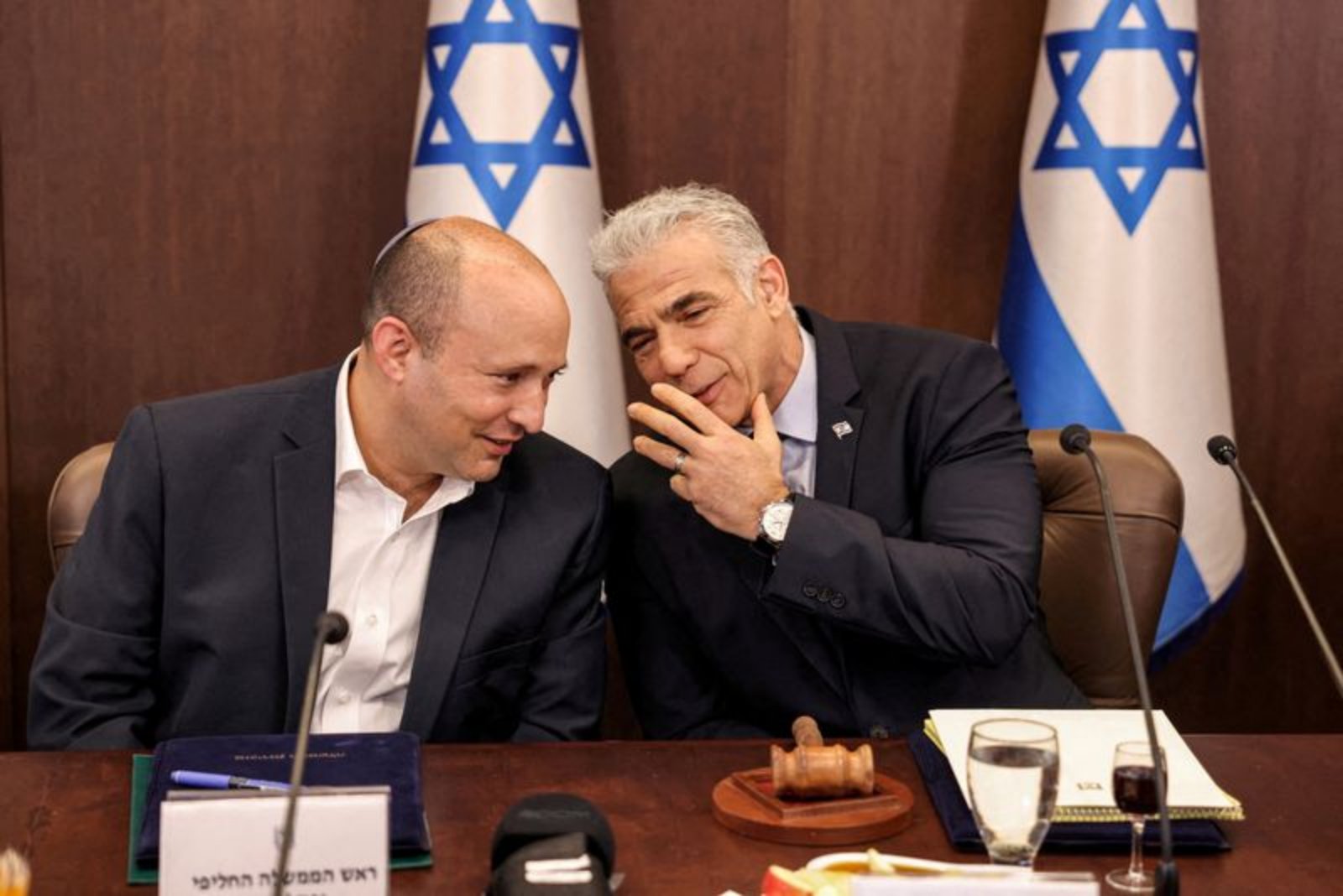
On April 26 in Jerusalem, former prime ministers Naftali Bennett and Yair Lapid declared they will merge their political lists into one party to contest the next Israeli election, expected later this year. Bennett’s political operation said the new party will be called Together and that Bennett will serve as its leader. Lapid characterised the move as an effort to unify the opposition, eliminate internal fractures and focus on securing victory in the forthcoming vote.
History of cooperation
Bennett and Lapid are not strangers to political partnership. They previously joined forces in the 2021 election to end Benjamin Netanyahu’s 12-year run as prime minister, forming a coalition government that endured for roughly 18 months. Earlier in their careers, both men played a role in reshaping Netanyahu’s coalition in 2013 by entering his government in a way that sidelined his traditional ultra-Orthodox allies.
Netanyahu’s comeback and the security backdrop
Netanyahu, Israel’s longest-serving prime minister, regained office after winning the November 2022 election and assembling what has been described as the country’s most right-wing government. The October 2023 attack by Hamas in southern Israel and the subsequent expansion of hostilities across multiple fronts have put Israel’s security situation at the centre of political debate. That conflict has eroded, in the view of many voters, Netanyahu’s standing on security matters, and polls since the attacks have generally predicted he will lose the next election, which must be held by the end of October.
Polling and the shifting political map
Recent polling indicates a notable realignment. An April 23 survey conducted by Israel’s N12 News placed Bennett’s party at 21 seats in the 120-member Knesset, with Netanyahu’s Likud at 25. The same poll put Lapid’s party at seven seats, a decline from its current 24-seat holding. The survey showed Netanyahu’s right-wing and religious bloc commanding 50 seats in total, while a likely coalition led by Bennett and Lapid, bolstered by several smaller factions, would command at least 60 seats.
Other academic and media polls have painted a similar picture, positioning Bennett as the principal challenger to Netanyahu. Analysts and participants in the political process, however, note that the map remains fluid and capable of change as the campaign progresses.
Profiles and campaign themes
Bennett, 54, a former army commando who later became a tech entrepreneur, has been polling behind Netanyahu but ahead of other challengers in several surveys. Lapid, 62, who previously worked in television and also authors pop songs and thrillers, is widely perceived as a voice for Israel’s secular middle class. That constituency has become increasingly vocal about perceived imbalances related to taxation and military service.
A central campaign issue for both Bennett and Lapid is objection to exemptions sought by ultra-religious political allies for their communities from mandatory military conscription. Critics argue that these exemptions have produced unequal burdens on other segments of society, particularly as the military warns it is overstretched and Israel has experienced its highest military death toll in decades over the past two years. Both leaders have made the conscription and social fairness debate a focal point of their messaging.
Security strategy and criticism of the government
Bennett and Lapid have also faulted Netanyahu for what they describe as a failure to translate battlefield gains into broader strategic advantages vis-a-vis Iran and the armed groups it backs in Lebanon and Gaza - specifically Hezbollah and Hamas. The pair are positioning themselves as offering an alternative path for Israel’s security and governance amid an unsettled regional environment.
What remains uncertain
The announcement formalises an opposition strategy aimed at overcoming fragmentation ahead of a high-stakes election. Yet the political terrain remains changeable and the outcome will depend on voter decisions in the months ahead, as well as developments on the security front.