
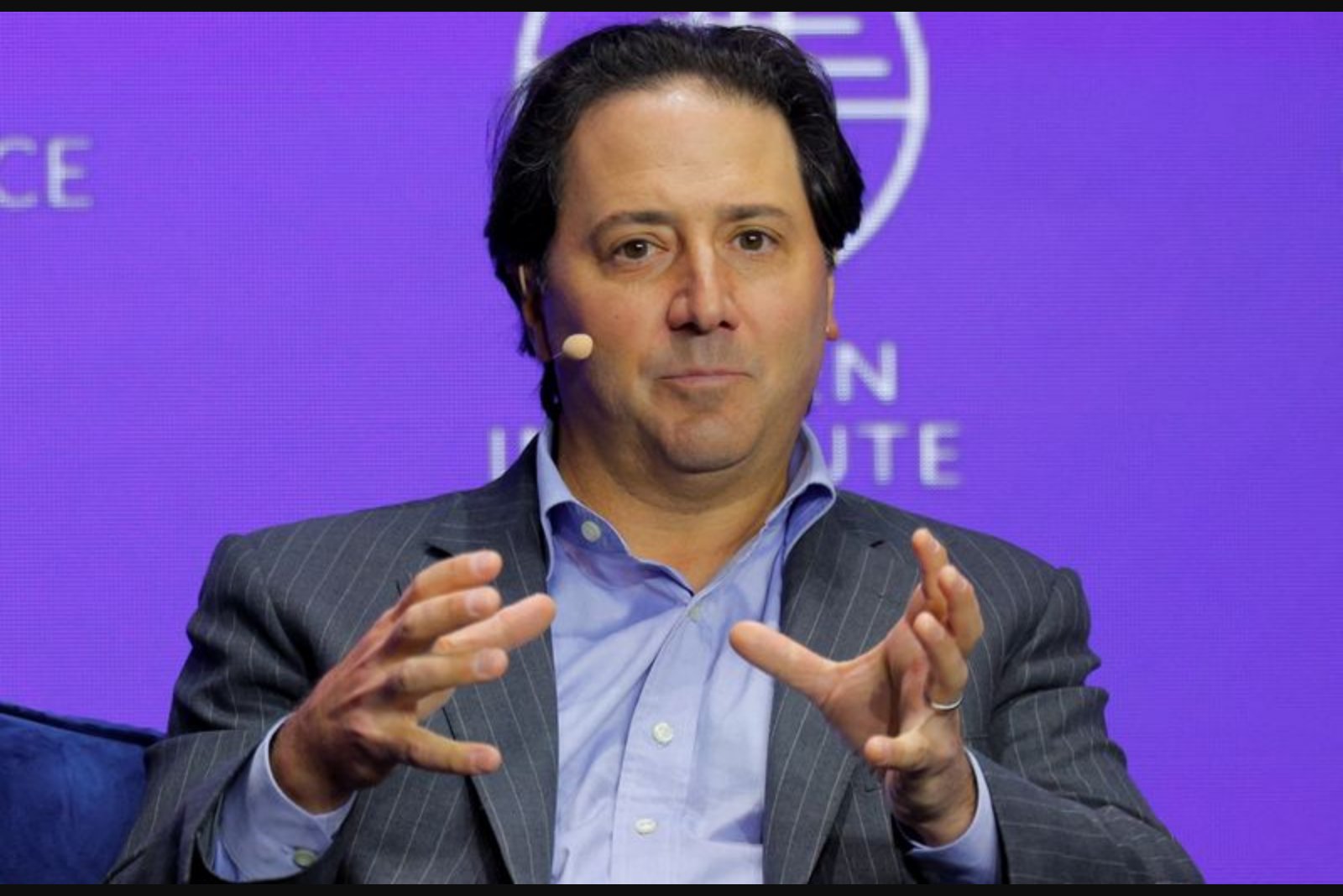
At the HSBC Investment Summit in Hong Kong, senior figures in asset management described private credit challenges as narrow and largely driven by liquidity shortages and rate volatility rather than widespread borrower collapses.
Michael Arougheti, chief executive and co-founder of Ares Management Corp, told the gathering there was nothing in Ares' portfolios or in the market broadly to indicate an imminent major default cycle. Ares is the $622 billion alternative investment firm led by Arougheti, who framed current pressures as contained within the sector.
The private credit industry itself has grown to roughly $3.5 trillion and has attracted capital from pension funds, insurers and wealthy individuals by offering relatively steady, higher yields. That expansion, however, has included movement into less liquid and harder-to-value loan exposures, a development that has prompted scrutiny from some investors and market watchers.
Speakers at the forum pointed to several forces that recently put alternative asset managers under the microscope. AI-related risks, fund outflows and concerns about credit stress combined to weigh on the stocks of managers focused on alternative investments. One firm, Blue Owl, experienced redemption requests in the first quarter that were materially larger than its peers, a situation attributed to retail investor withdrawals.
Representatives from Wall Street said they were either stress-testing or closely monitoring their private credit holdings and that they were comfortable with the level of exposure they maintained. That sentiment suggests many institutions view current strains as manageable rather than systemic.
Rachel Lord, a senior executive at BlackRock who also spoke at the forum, attributed much of the market pressure to repricing in the software sector. She urged the industry to align product structures with clients' liquidity needs and investment time horizons, arguing that improved transparency and data would help allay investor concerns.
Lord summarized the situation by saying: "There’s volatility, but there isn’t a bubble." She added a forward-looking observation: "The fog of private credit is going to clear." The comments reflect a view among some senior managers that while uncertainty and revaluation remain, the core problem is not a broad-based default cycle.
Overall, voices at the summit painted a picture of an industry under stress from specific sources - liquidity squeezes, rate effects and sector-specific repricing - rather than one facing a sweeping credit collapse.