
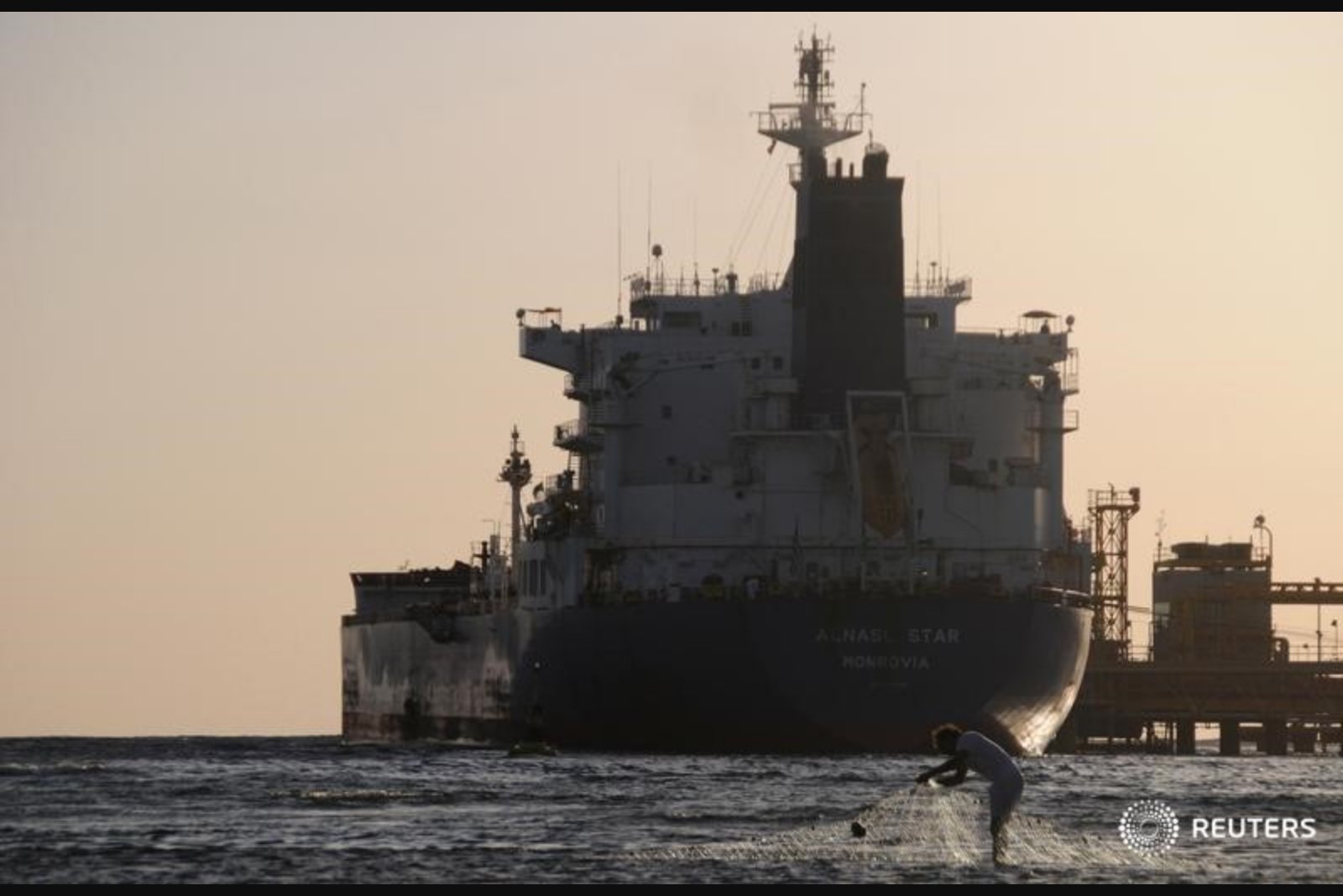
The vessel Rich Starry - placed on a U.S. sanctions list in 2023 for allegedly helping Tehran evade energy sanctions - transited the Strait of Hormuz and then initiated a reversal in course on Tuesday, according to commercial vessel tracking data.
Tracking feeds show the tanker cleared the strait but began to execute a turn-around maneuver at approximately 1 p.m. London time. Observers had identified the Rich Starry as one of the early vessels to probe enforcement boundaries around a naval blockade being associated with the administration of President Donald Trump.
Shipowners, energy traders and investors are watching the vessel's movements closely. Market participants are attempting to interpret the navigation as part of broader U.S. efforts intended to pressure Tehran and curtail its oil revenues. Those watching the situation say the route and behavior of sanctioned tankers can feed into assessments of enforcement intensity and the potential for shifts in regional oil flows.
Monitoring transits through the Strait of Hormuz has been made more challenging by interference with vessel tracking signals. Commercial observers note persistent issues of signal jamming in the area. In addition, the Rich Starry has been reported by TankerTrackers.com Inc. to have a prior history of spoofing its satellite-based identification signals, which complicates real-time verification of its exact movements.
These signal reliability issues mean that parties relying on satellite positional data face limits in certainty when reconstructing the ship's route and intent. The combination of a sanctioned status, an apparent maneuver after emerging from the strait, and known signal irregularities has put the Rich Starry under heightened scrutiny among groups that have direct commercial or financial exposure to oil flows and shipping operations in the region.
Publicly available tracking feeds provided the timeline for the transit and subsequent reversal, and the information continues to be monitored by market participants and maritime watchers. Where gaps remain in the publicly observed record, analysts and observers are constrained to note the limitations of the available signals rather than to draw additional conclusions.
What is known:
- The Rich Starry is on a U.S. sanctions list since 2023 for assisting Tehran in evading energy sanctions.
- The ship crossed the Strait of Hormuz and began turning back at about 1 p.m. London time on Tuesday.
- Signal jamming and prior satellite signal spoofing associated with the vessel complicate tracking and verification.