
Economy April 14, 2026 09:37 AM

Bessent Urges Patience on Rate Cuts as Oil Tops $100 Amid Iran War

Treasury Secretary says monetary easing should wait while world energy prices climb and policymakers monitor fallout

By Marcus Reed
Bessent Urges Patience on Rate Cuts as Oil Tops $100 Amid Iran War

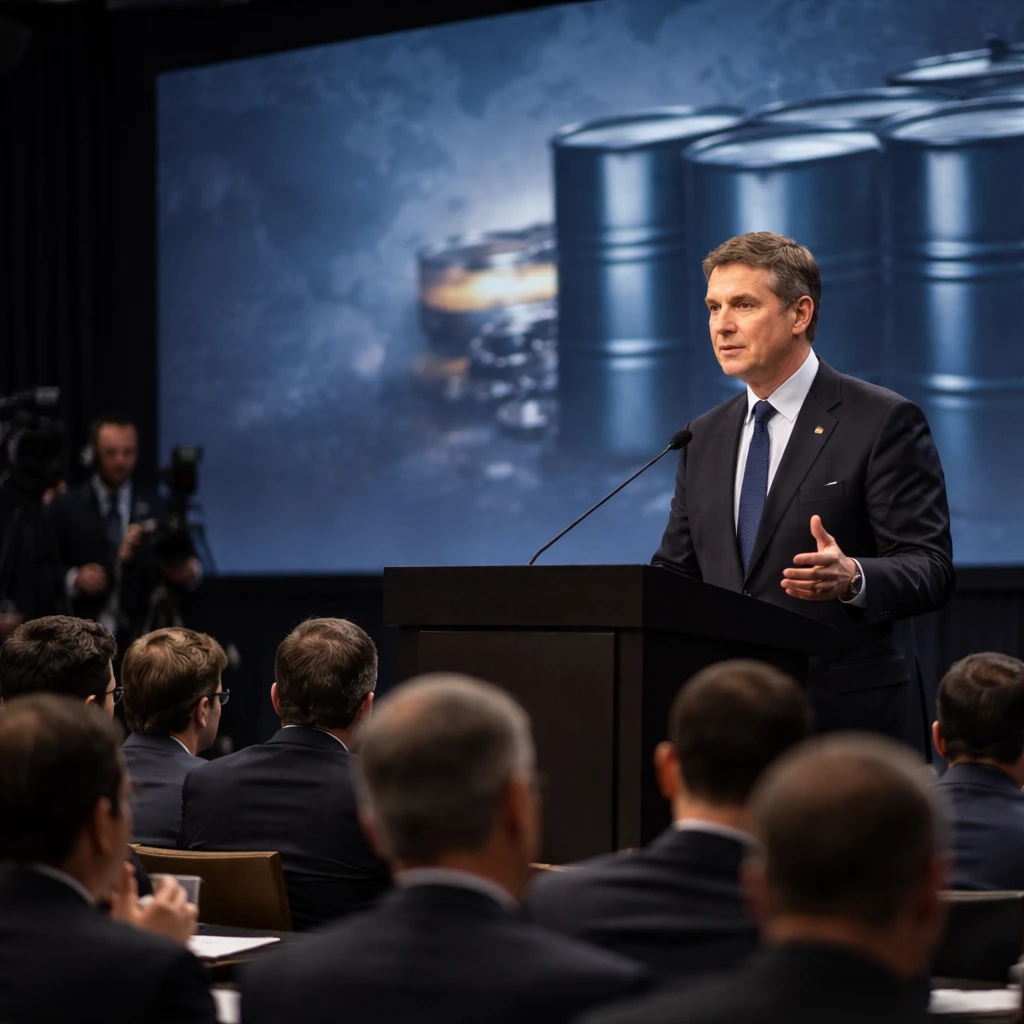
U.S. Treasury Secretary Scott Bessent said Monday that the Federal Reserve should hold off on lowering interest rates as oil prices surge past $100 a barrel amid the ongoing war in Iran. Speaking at the Semafor World Economy conference in Washington, DC, Bessent described the Fed's current stance as appropriate and reiterated that while rate cuts may be warranted eventually, the situation requires observation. He contrasted his current view with comments from January urging quicker reductions. Recent government data showed inflation accelerated in March, driven by higher oil and gas costs, while core inflation rose less than expected. Fed funds futures indicate markets expect rates to remain steady this year.

Key Points

  • Scott Bessent said the Fed should delay rate cuts while oil prices surge above $100 a barrel amid the Iran war.
  • Bessent reversed an earlier position from January when he had urged faster reductions, previously calling rate cuts "the only ingredient missing for even stronger economic growth."
  • Recent U.S. government data showed inflation accelerated in March relative to February due in part to higher oil and gas costs; core inflation rose slightly less than expected. Markets price in steady rates for the year via Fed funds futures.

U.S. Treasury Secretary Scott Bessent said Monday that the Federal Reserve should postpone cutting interest rates as crude oil climbs above $100 a barrel amid the ongoing war in Iran.

Speaking to Semafor Editor-in-Chief Ben Smith at the Semafor World Economy conference in Washington, DC, Bessent said he saw eventual scope for lower rates but that the current environment calls for caution. "Do I think rates should be lowered? Eventually. I think now that we have to wait and see," he told the conference.

The remarks mark a change from comments Bessent made in January, when he described rate reductions as "the only ingredient missing for even stronger economic growth" and urged Fed Chair Jerome Powell to accelerate cuts. On Monday he characterized the Fed as "doing the right thing by sitting and watching" to see how the conflict in Iran unfolds.

Bessent added that the U.S. economy had been "very strong" exiting January and February. He argued the recent jump in energy costs is unlikely to permanently shift consumer perceptions of the economy, saying: "If ever there was 'Team Transitory,' it's this. I don't believe this is going to get embedded into inflation expectations."

Last Friday, the U.S. government reported that inflation rose three times faster in March than it did in February, a change the government attributed in part to surging oil and gas prices. Measures of inflation that exclude food and energy climbed slightly less than forecasters had anticipated.

Market pricing in Fed funds futures shows investors expect the Federal Reserve to keep policy rates steady through the year, with only minimal probability assigned to an increase.


This account limits itself to the remarks and data cited at the conference and in the government report; it does not extend beyond those statements to predict future policy actions or macroeconomic trajectories.

Risks

  • Escalation or persistence of the war in Iran could keep oil and gas prices elevated, pressuring inflation - relevant to energy and consumer-facing sectors.
  • Sustained higher energy costs could complicate Federal Reserve timing for rate reductions, creating uncertainty for financial markets and interest-rate-sensitive industries.
  • If inflation readings remain elevated, consumer and business expectations could shift despite Bessent's view that recent price jumps will not become embedded, leaving policy-makers and markets with uncertainty.

More from Economy

Stocks Hold Ground Despite Higher Oil, Rising Yields and Fewer Rate Cuts Expected Apr 14, 2026 Eurozone stagflation remains a risk but not yet a reality, Eurogroup chair says Apr 14, 2026 IMF Lowers Global Growth Forecast, Flags Iran Conflict and Oil Price Risk Apr 14, 2026 Ken Griffin Warns Prolonged Strait of Hormuz Closure Could Trigger Global Recession Apr 14, 2026 Markets Split as Stocks Rebound and Energy Keeps Pressure on Bonds and Gold Apr 14, 2026