
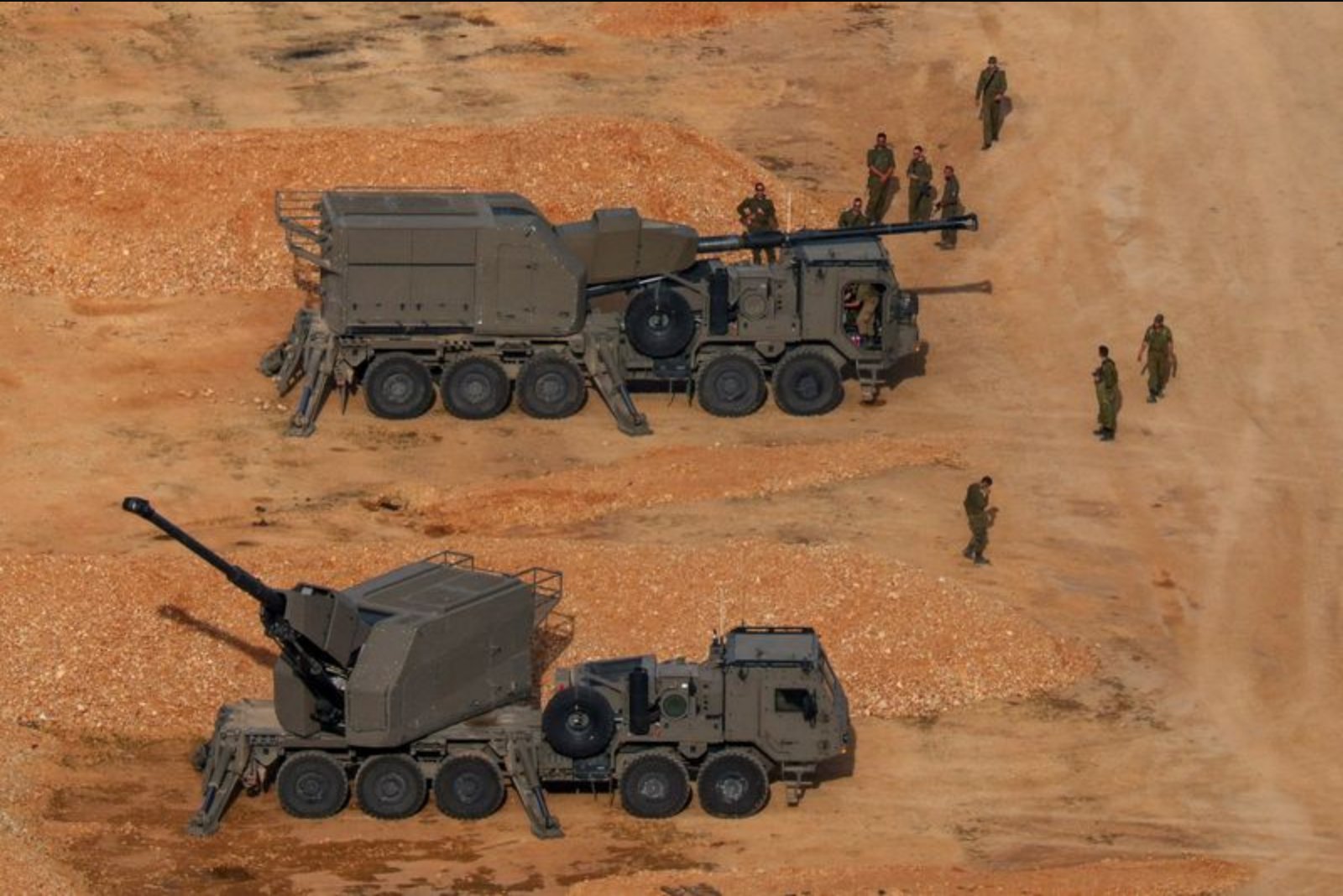
Optimism that the recent outbreak of hostilities in the Middle East could be drawing toward a resolution gained traction on Thursday as high-level mediators resumed work and regional actors signalled openness to compromise. A senior Israeli official said Israel’s cabinet met on Wednesday to consider a ceasefire in Lebanon, where fighting with Iran-backed Hezbollah has persisted for more than six weeks. At the same time, mediators and U.S. officials described productive conversations aimed at securing a broader settlement that could lead to reopening the Strait of Hormuz.
Pakistan’s army chief and central mediator, Field Marshal Asim Munir, arrived in Tehran on Wednesday for fresh discussions, Pakistan’s military confirmed. Munir, who played a role in the previous round of talks, was reported by an Iranian source to be seeking "to narrow gaps" between the negotiating sides. Iranian Foreign Minister Abbas Araqchi posted on X welcoming Munir and said Tehran remained committed to "promoting peace and stability in the region."
White House press secretary Karoline Leavitt told reporters on Wednesday that conversations mediated by Pakistan were "productive and ongoing," and that "we feel good about the prospects of a deal." Leavitt rejected accounts that the United States had formally requested an extension of the two-week ceasefire agreed on April 8, and she said additional in-person meetings had not yet been confirmed but were likely to take place in Pakistan again. The talks that concluded on Sunday failed to produce an agreement, but officials were reported to be weighing a return to Pakistan for further negotiations as early as the coming weekend.
Ending hostilities in Lebanon had been a central hurdle in earlier discussions, alongside the question of how to handle Iran’s nuclear program. The conflict that began on February 28 with the involvement of President Donald Trump and Israel subsequently prompted Iranian attacks on neighbouring Gulf states and a re-escalation of the Israel-Hezbollah front, intensifying regional tensions and complicating the diplomacy.
Economic and market signals
Financial markets reacted quickly to signs of a potential ceasefire and diplomatic progress. Stock indexes on Wall Street rallied and hit record highs on Wednesday as crude oil prices steadied amid expectations for a rapid resolution to the fighting. The disruption to energy flows from the Gulf and the risk premium tied to the Strait of Hormuz have been among the principal drivers of market volatility during the conflict.
U.S. Treasury Secretary Scott Bessent said the U.S. blockade on vessels calling at Iranian ports could cause China’s purchases of Iranian oil to "pause," and warned that Washington could impose secondary sanctions on countries that continued to buy Iranian crude. He added that the Treasury had warned two Chinese banks not to process Iranian money or risk sanctions, without naming the institutions. The article of trade that is central to these calculations is sizable: China previously accounted for more than 80% of Iran’s shipped oil.
Maritime interdictions and Iranian responses
The war has led Iran to effectively restrict use of the Strait of Hormuz to its own vessels, sharply reducing exports from the Gulf and forcing energy importers to seek alternative supplies. U.S. forces reported that during the first 48 hours of the U.S. blockade on ships entering and exiting Iranian ports, no vessels made it past U.S. forces, and nine vessels complied with directions to turn back toward an Iranian port or coastal area.
Despite the blockade, Iran’s Fars News agency reported that an Iranian supertanker subject to U.S. sanctions crossed the strait toward Iran’s Imam Khomeini port, though the report did not identify the vessel or provide further voyage details. Iran’s joint military command warned that, should the U.S. blockade continue, it would halt trade flows in the Gulf, the Sea of Oman and the Red Sea, which connects to the Suez Canal.
A source briefed by Tehran said Iran could consider a proposal floated in negotiations with the United States to allow ships to transit the Omani side of the strait without risk of attack, but only as part of a deal that prevented renewed conflict. That potential concession is tied directly to the negotiation package being discussed by mediators and U.S. officials.
U.S. statements and military warnings
President Trump said he had urged Chinese President Xi Jinping not to provide Iran with weapons, a claim he said Xi denied. Trump also asserted that China welcomed his efforts to "permanently open" the Strait of Hormuz, adding in a social media post: "I am doing it for them, also - And the World," and that "President Xi will give me a big, fat, hug when I get there in a few weeks."
On the military posture, Trump warned that the United States could escalate if the conflict resumed, saying: "We could take out every one of their bridges in one hour. We could take out every one of their power plants, electric power plants, in one hour. We don’t want to do that...so we’ll see what happens." Such statements underscore the high stakes attached to any breakdown in the current talks.
Nuclear issue complicates diplomacy
The scope and duration of any limits on Tehran’s nuclear program emerged as another major source of disagreement during the recent negotiations. According to people familiar with the proposals, Washington has put forward a plan calling for a 20-year suspension of all nuclear activity by Iran - a proposal that represents an apparent shift from seeking a permanent ban - while Tehran suggested a far shorter halt of three to five years.
Alongside the time horizon, the parties differ over the treatment of existing enriched nuclear material and the immediate lifting of international sanctions. The United States has pressed for removal of enriched material from Iran, whereas Tehran has demanded that international sanctions be lifted. A participant in the talks said back-channel discussions had made headway in narrowing differences, bringing the sides closer to a package that might be presented at another round of negotiations.
Where negotiations stand
Negotiators left the last round of talks without a breakthrough, but officials and mediators expressed guarded optimism as they returned to the region. Pakistan’s mediation role has continued to be central, with Munir’s presence in Tehran intended to keep momentum toward a deal. The precise timing and location of any follow-up meetings remained under consideration, with Pakistan likely to host subsequent in-person discussions if both sides agree.
For markets and supply chains, the outcome of these talks will be critical. The ability to reopen the Strait of Hormuz and restore predictable shipping from the Gulf would ease pressure on global energy markets, while the lifting or continuation of financial sanctions and maritime interdictions will shape trade flows and risk calculations for shippers, insurers and commodities traders.
Summary
Diplomatic activity centered on Pakistan-mediated talks in Tehran and U.S.-led pressure on Iran has produced cautious optimism about a deal that could halt fighting, reopen the Strait of Hormuz and stabilize energy and shipping markets. Israel has formally discussed a possible ceasefire in Lebanon, while disagreements over Iran’s nuclear program and the mechanics of sanctions remain key obstacles.