
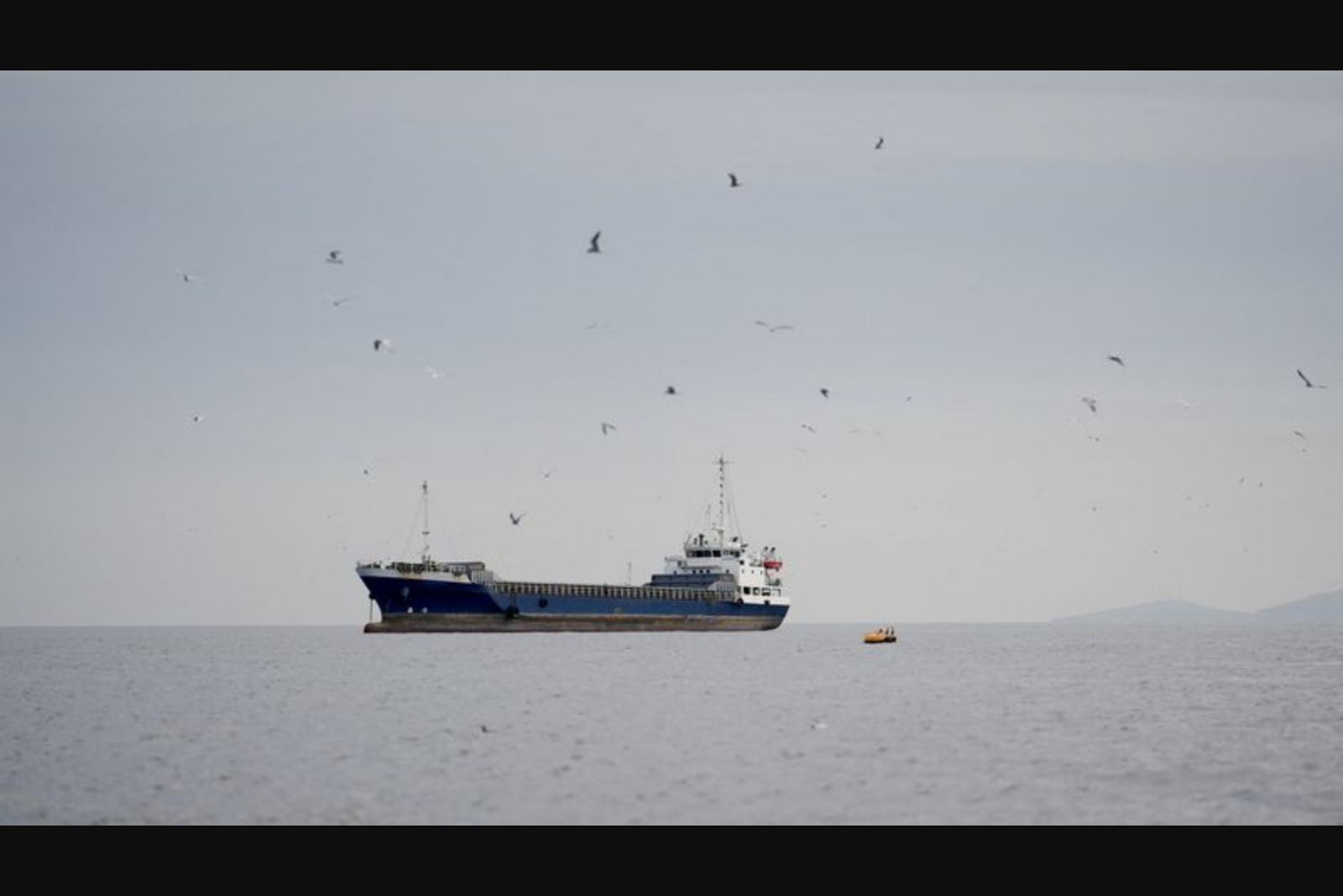
Maritime tracking data and state media accounts indicate a second oil supertanker subject to U.S. sanctions has passed through the Strait of Hormuz and entered the Gulf, a movement that comes despite a U.S.-imposed blockade aimed at vessels calling at Iranian ports.
The U.S. blockade was announced by President Donald Trump following weekend peace talks in Islamabad between U.S. and Iranian representatives that failed to produce an agreement. U.S. Central Command posted on X that, since the blockade began on Monday, 10 vessels have been turned around and, according to its statement, no ships have broken through the measures.
On Wednesday, Iran’s Fars News Agency reported that an Iranian supertanker under U.S. sanctions had traversed the Strait of Hormuz toward Iran’s Imam Khomeini port, despite the blockade. Fars did not name the vessel or offer further details about its voyage.
Commercial maritime data from LSEG and Kpler identified the empty Very Large Crude Carrier RHN as entering the Gulf on Wednesday. The VLCC RHN is capable of carrying about 2 million barrels of oil. LSEG and Kpler data did not make clear the RHN’s destination after entering the Gulf.
The RHN’s passage follows a separate transit reported a day earlier by Kpler: the U.S.-sanctioned VLCC Alicia also passed through the Strait of Hormuz and is currently bound for Iraq, according to that commercial tracking information. Kpler’s vessel histories show both the RHN and the Alicia have records of transporting Iranian oil in recent years.
Not all vessels attempting to enter the Gulf have succeeded. U.S. Central Command said several ships have been forced to turn back. Among them, the U.S.-sanctioned tanker Rich Starry reportedly returned to the Gulf on Wednesday, a day after it had exited.
In parallel with enforcement measures, the U.S. has warned it could impose secondary sanctions on buyers of Iranian oil as a means of increasing leverage ahead of further negotiations. That warning comes only weeks after Washington eased enforcement of certain Iran energy sanctions.
On the diplomatic side, a source briefed by Tehran said Iran has offered proposals in talks with the United States that could include allowing vessels to transit freely on the Omani side of the Strait of Hormuz without risk of attack. Those proposals would be contingent on a deal being reached to prevent a return to conflict.
Analysts expect the U.S. blockade to reduce Iran’s crude exports, though they note Tehran could sustain current production levels for weeks by storing oil onshore. Kpler data indicate Iran produced about 3.5 million barrels per day and exported 1.84 million bpd in March. Through April so far, shipments totaled about 1.71 million bpd, compared with an average of 1.68 million bpd in 2025, according to the same commercial tracking data.
Context and implications
The reported transits highlight a complex environment in which commercial tracking firms, state media and U.S. military statements present overlapping but not always fully reconciled accounts of tanker movements and enforcement actions. The situation is evolving as both maritime operations and diplomatic negotiations proceed.