
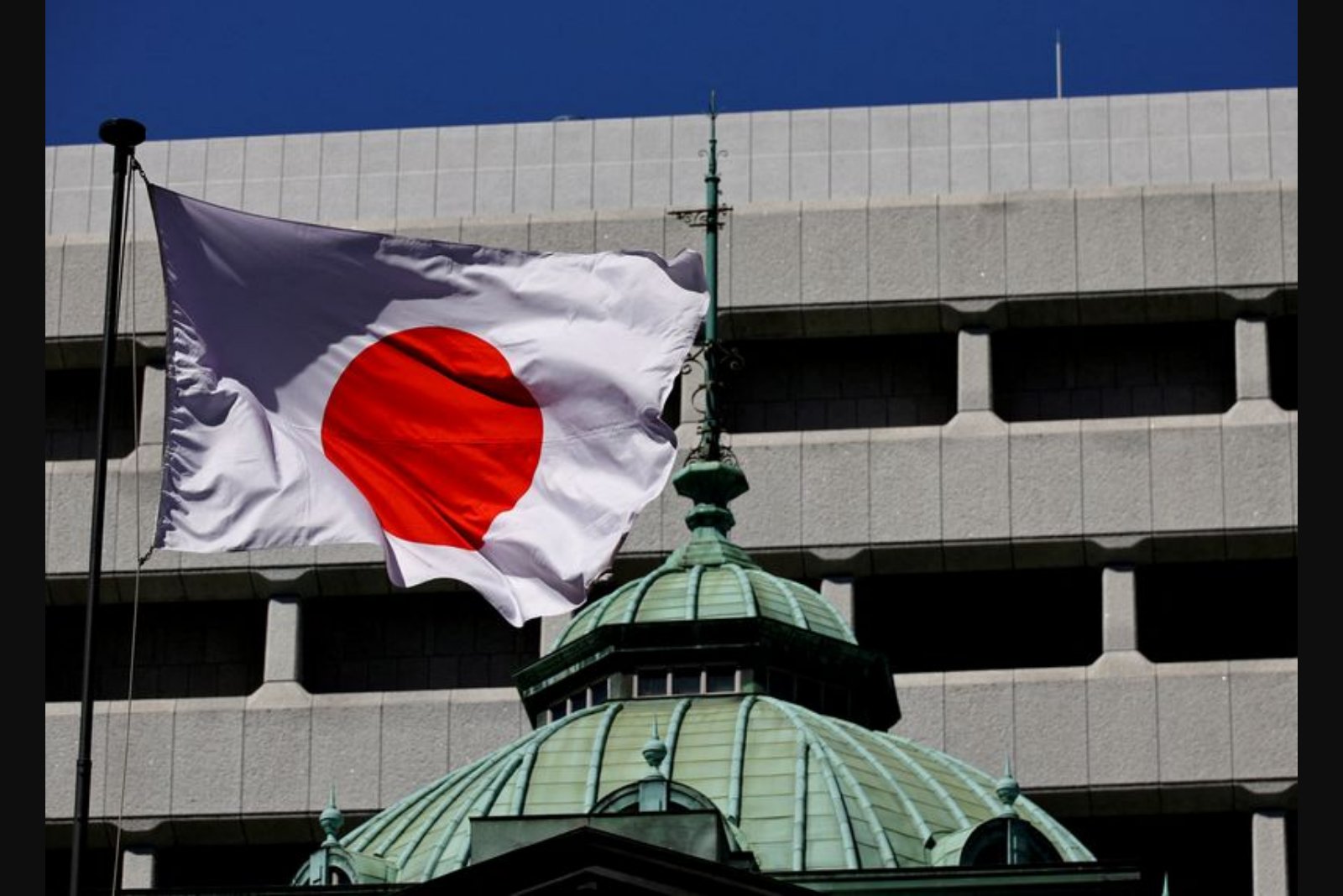
The Bank of Japan is widely expected to push its benchmark interest rate to 1.00% by the end of June, according to a Reuters poll conducted April 7-14. Of the 71 economists surveyed, 46 respondents - or 65% - predicted the policy rate would reach that level by end-June, a rise from 60% in March and 58% in February.
Markets face difficulty anticipating the BOJ's next move ahead of its April 27-28 policy meeting. Analysts said officials were likely to provide less forward guidance than in past meetings, increasing the possibility of an unexpected announcement.
Economists in the poll were split on the exact timing of the next hike. Among the 40 economists who specified a month for the tightening, 38% identified April and 35% chose June. By comparison, in last month’s survey June had been the most commonly selected month at 32%, followed by July at 30% and April at 27%.
Several respondents tied the heightened probability of a near-term rate increase to the outbreak of the U.S.-Israeli war with Iran on February 28. That conflict, they said, has reinforced hawkish expectations by stoking worries over higher energy prices, renewed inflationary pressure and additional yen depreciation. The yen has weakened by about 2% against the U.S. dollar since the war began, a development some policymakers view as strengthening the case for earlier tightening.
Hiroshi Namioka, chief strategist at T&D Asset Management, said a hike as soon as next week was possible, noting policymakers' reluctance to fall behind the curve as the currency weakens. By contrast, Junki Iwahashi, senior economist at Sumitomo Mitsui Trust Bank, judged a move this month unlikely. Iwahashi said a sharp spike in crude oil driven by worsening conditions in the Middle East could temporarily lift inflation via cost-push pressures, but would also dampen economic activity, complicating the case for an immediate rate rise. He predicted that the BOJ would prefer to wait and assess the situation further and therefore expected a June increase.
Beyond the June horizon, median projections in the poll indicated an additional 25 basis points of tightening to 1.25% in the fourth quarter, which represented a somewhat earlier timing than previously expected. The medians also showed another 25 basis-point increase to 1.50% anticipated in the third quarter of 2027, with rates then projected to remain at that level through year-end. A small number of economists expected rates to climb to 1.75% by the end of the period covered by the poll.
The BOJ's current policy rate stands at 0.75%, which remains below the neutral rate - defined as the level that neither stimulates nor restricts economic activity. With inflation around 2% and persistently above target for the better part of four years, the central bank has signalled growing price pressures and has been preparing markets for the prospect of near-term tightening. Keeping real borrowing costs deeply negative for an extended period risks overheating the economy, officials and many economists argue.
The Middle East conflict's impact on Japan's inflation outlook was quantified in the poll. Of 29 respondents to a question on the war's effect, 18 - or 62% - said that the Iran war would raise Japan’s core consumer price index by 0.2 to 0.4 percentage points cumulatively over the next 12 months. The poll's measure of core inflation includes energy but excludes fresh food.
Compared with the March survey, median forecasts for year-on-year core CPI were revised upwards by 0.1 to 0.3 percentage point in each quarter through June of the following year. Despite the inflationary impact, none of the 29 respondents to an additional question believed the conflict would tip Japan into recession.
Still, forecasts for short-term growth were notably downgraded. The economy was expected to expand at an annualised rate of 0.4% in April-June, a sharp reduction from the 1.1% annualised pace forecast in the March poll. For the subsequent quarter, growth was expected to slow to an annualised 0.7%, down from 1.2% in the prior poll.
When asked about stagflation risks, a majority of respondents - 21 of 29 - judged those risks to be low or extremely low.
The poll results portray a central bank environment in which policymakers are balancing persistent inflationary pressures against the economic drag that could arise from energy-driven cost increases and wider market turbulence. With markets struggling to interpret the BOJ's likely communications at the April meeting, the potential for a surprise decision remains elevated.
For market participants and sectors sensitive to interest rates and currency moves - including bond investors, foreign exchange traders, energy importers and other parts of the import-dependent economy - the timing and magnitude of BOJ tightening will be a key variable shaping the remainder of the year.