
Economy April 28, 2026 04:02 AM

Euro-area lenders tighten credit standards as Iran conflict lifts energy and funding costs

ECB survey shows banks raised loan approval criteria in Q1 and expect further tightening as energy-driven risks rise

By Ajmal Hussain
Euro-area lenders tighten credit standards as Iran conflict lifts energy and funding costs

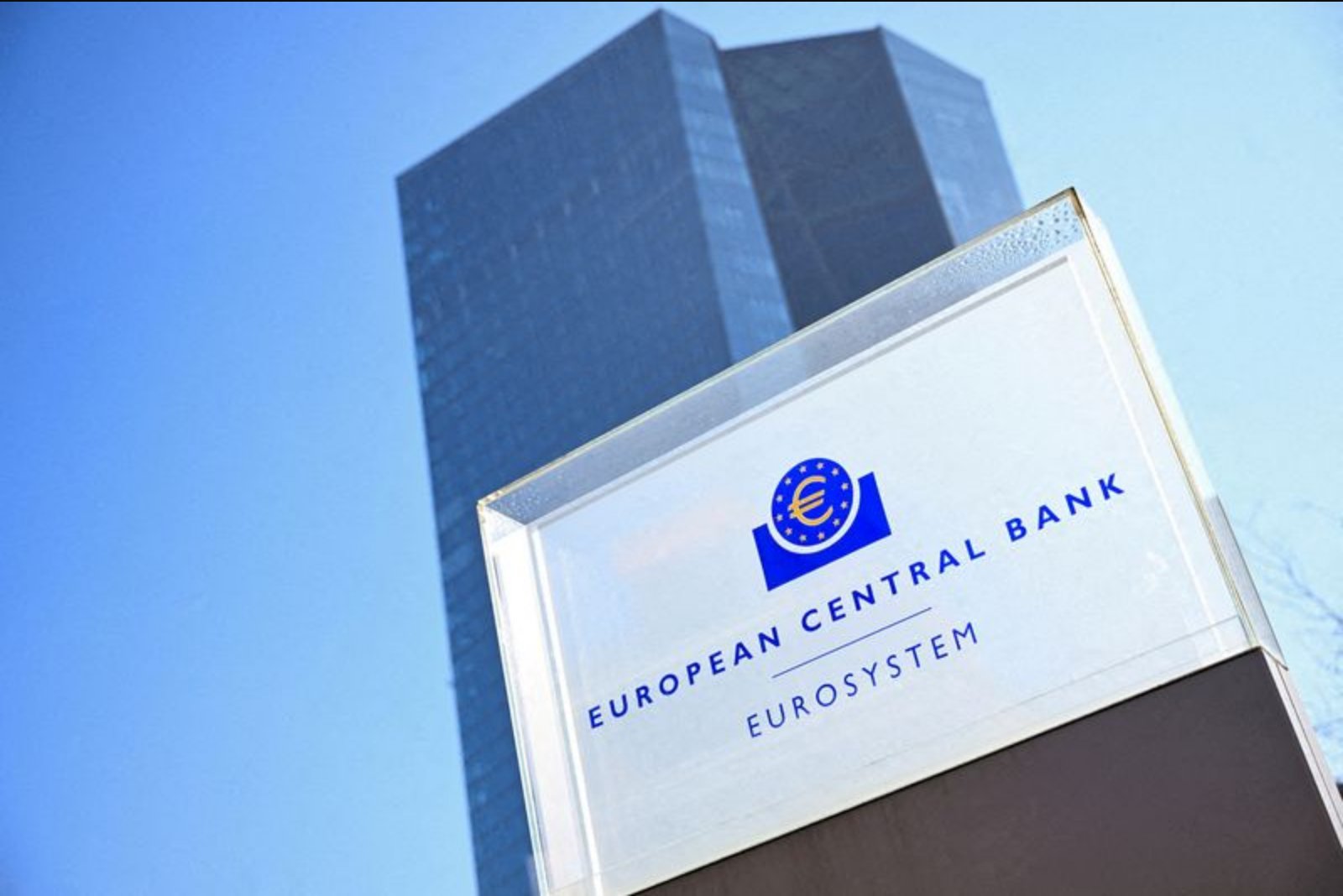
A European Central Bank survey found that banks across the euro area tightened access to credit in the three months to March and anticipate additional constriction in the quarter to June. The ECB said the conflict in Iran, which began in late February, has pushed up energy prices and funding costs and was cited by banks as a driver of reduced risk tolerance and stricter lending standards, particularly for corporate borrowers.

Key Points

  • Euro-area banks tightened credit standards in Q1 and expect further tightening in Q2, citing higher energy prices and funding costs tied to the Iran conflict.
  • The tightening was larger than expected and was the sharpest for firms since Q3 2023, with banks pointing to reduced risk tolerance and elevated economic risks.
  • Loan demand slightly fell in Q1 as firms scaled back investments, though some companies increased inventories; energy-price developments both raised liquidity needs and dampened investment in different cases. - Sectors affected: banking, corporate borrowers, energy-intensive industries

Banks in the euro area tightened lending standards during the three months to March and signalled they expect further restriction in the current quarter, according to a quarterly survey published by the European Central Bank. The ECB’s Bank Lending Survey, covering the 21 countries that share the euro, attributed much of the change to energy-price pressures and rising funding costs linked to the conflict in Iran that began in late February.

The survey indicated that the deterioration of financing conditions was observable even before any potential interest rate move by the ECB. The tightening of banks' criteria for approving loans was deeper than anticipated. For corporate borrowers, the narrowing in credit availability was the sharpest since the third quarter of 2023, the survey found.

"Perceived risks to the economic outlook and a lower risk tolerance of banks were the main contributing factors, with banks indicating in a dedicated open-ended question that geopolitical and energy developments exerted tightening pressure," the ECB said.

In addition, the central bank reported that "Some banks reported additional tightening related to exposures to energy-intensive firms and to the Middle East." Looking ahead, institutions expect "a widespread and more marked net tightening of credit standard" for the three months to June.

On the demand side, the survey said loan demand edged down slightly in the three months to March, in contrast to what lenders had anticipated. The decline reflected firms cutting back on investments, although the ECB noted that some companies replenished inventories during the same period.

The ECB added that banks' commentary pointed to two opposing forces on demand. "Some banks highlighted that ongoing developments in energy prices were driving increased liquidity demand from firms, while others pointed to higher uncertainty and the postponement of investments as dampening factors for demand," the report said.


The survey therefore portrays a picture in which higher energy costs and increased funding pressure have already prompted banks to raise credit hurdles and expect to do more of the same in the coming quarter, while demand dynamics among firms remain mixed between inventory needs and investment postponement.

Risks

  • Rising energy prices and higher funding costs could continue to push banks to further tighten lending standards, affecting credit availability for firms and households - impacted sectors: corporate borrowers, energy-intensive industries, banks.
  • Increased uncertainty and postponed investments by firms may depress loan demand and slow investment-driven growth, weighing on sectors reliant on corporate capital expenditure - impacted sectors: corporate investment goods, financial institutions.

More from Economy

Bank of Russia Proposes Mandatory Yuan Reserves for Lenders to Curb Volatility Apr 28, 2026 PBOC Urges Banks to Lift April Lending to Avert Credit Slump, Sources Say Apr 28, 2026 Bank of Korea Adopts Cautious Stance as Iran Conflict Raises Economic Uncertainty Apr 28, 2026 Markets Pause as Diplomacy, AI Costs and Energy Prices Shape the Week Apr 28, 2026 Euro-area consumers lift near-term inflation expectations sharply, ECB survey finds Apr 28, 2026