
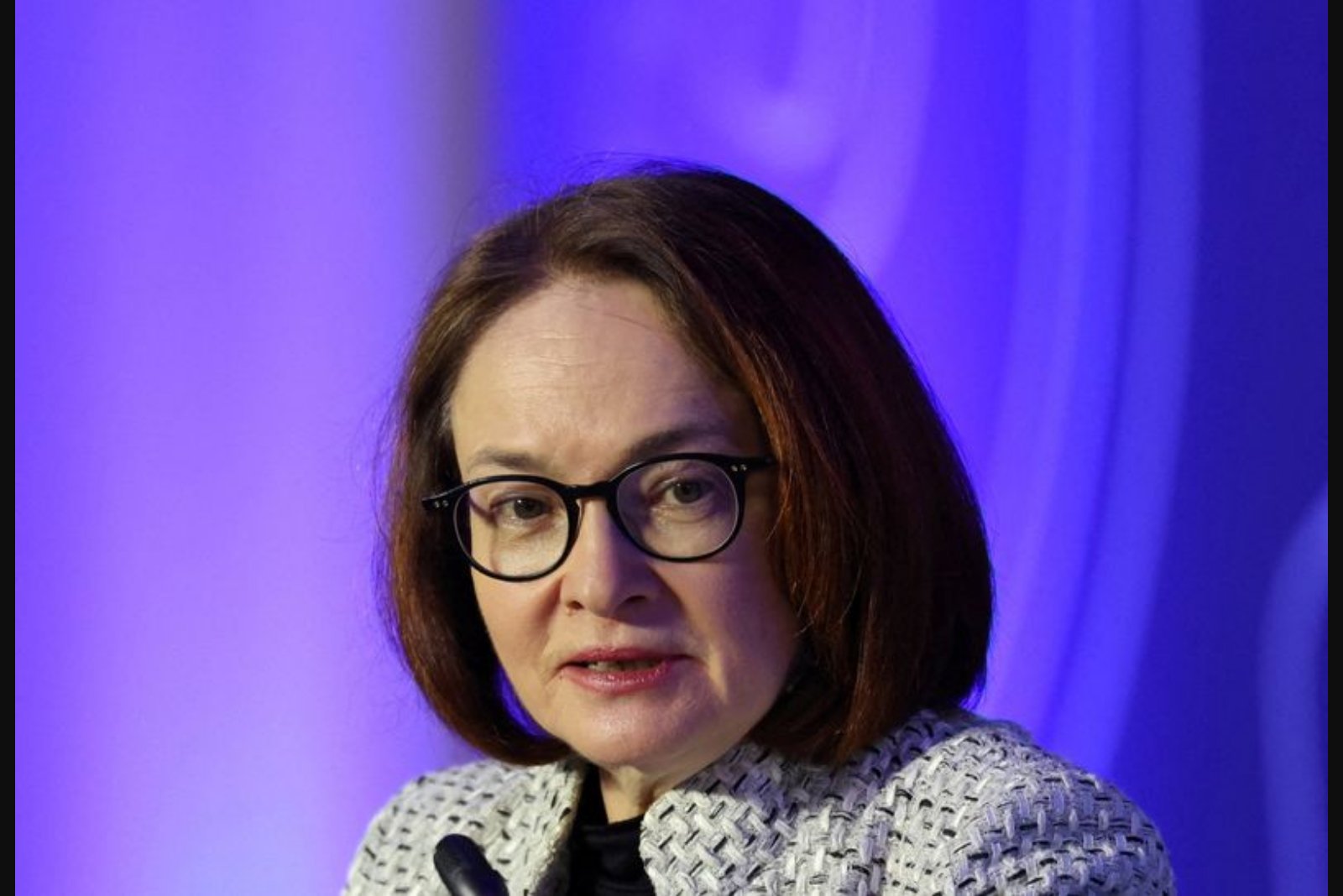
Russia's central bank is exploring a requirement for commercial banks to keep mandatory yuan reserves, a measure proposed to prevent shortages of the Chinese currency in the foreign exchange market and to curb excessive yuan lending, Governor Elvira Nabiullina said on Tuesday.
Nabiullina cited a spike in interest rates on yuan swaps in March, which rose above 40% amid heavy yuan lending and a fall in yuan inflows as weak oil prices reduced Russia's export earnings earlier in the year. "When clients left with their yuan, many banks went searching for yuan in the money market. It is a short-term market, and the rates there soared," she said at a banking conference in Moscow.
The yuan has overtaken other currencies to become Russia's most-traded foreign currency after Western sanctions on many Russian banks and on the Moscow Exchange limited dollar and euro trading, pushing those transactions into the over-the-counter market. That shift, Nabiullina suggested, has contributed to episodes of sharp volatility in yuan liquidity and pricing.
"Banks might not be pleased, but we are considering the feasibility of introducing a separate regulation on foreign currency liquidity because this isn’t the first time rates have soared like this," Nabiullina added. "It seems to us that banks should have learned from past experience that such volatility is unnecessary." She also said the central bank would first consult commercial lenders on the proposal before any rule is adopted.
Nabiullina's remarks came ahead of the planned resumption in May of foreign-exchange operations by the fiscal reserve National Wealth Fund. With oil prices - Russia's main export - now above the cut-off price of $59 per barrel that determines whether revenues are saved or used to cover the budget deficit, the state will be buying yuan in May.
That planned intervention has prompted caution from bank executives. Dmitry Pyanov, deputy CEO of VTB, Russia's second-largest bank, said on Monday that such purchases risk destabilising the domestic foreign exchange market in the short term.
The central bank's proposal aims to reduce episodes of stress in the yuan market by ensuring banks maintain dedicated foreign currency liquidity. Any formal rule would follow consultation with commercial lenders and take place alongside the reactivation of National Wealth Fund operations.
Context provided by official statements in this report: Nabiullina's comments on mandatory yuan reserves and swap-rate volatility; the March spike in yuan swap rates to above 40%; the yuan's role as Russia's most-traded foreign currency following sanctions constraints on dollar and euro trading; the planned May purchases of yuan by the state after oil rose above the $59 per barrel threshold; and VTB deputy CEO Dmitry Pyanov's warning about short-term market destabilisation from those purchases.