
Most Asian currencies firmed on Thursday while the U.S. dollar retreated, supported by market optimism that additional talks between U.S. officials and Iran could be arranged before a scheduled ceasefire expiration next week. The prospect of diplomatic engagement trimmed safe-haven demand for the greenback, prompting modest gains across regional FX markets.
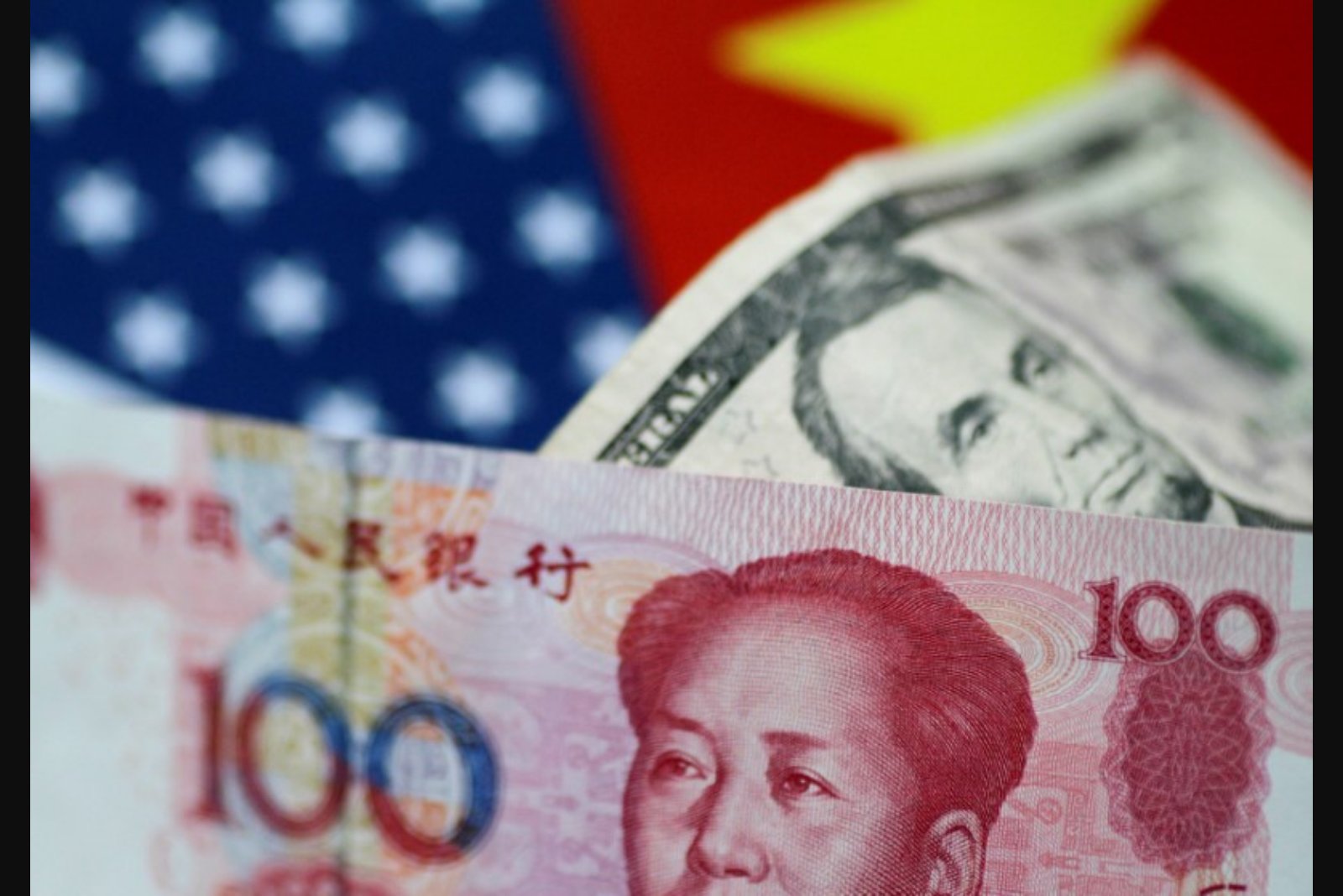
Despite the broadly firmer tone, the Chinese yuan stood apart, showing little movement even after Beijing reported a stronger-than-expected expansion in gross domestic product for the first quarter. The currency remained around 6.8 per dollar, a level described as its strongest in three years, but displayed limited reaction to the upbeat growth figures.
Market participants pared some of their holdings in the dollar after U.S. officials indicated that further discussions with Iran could take place in the coming days and that an end to hostilities appeared nearer. These comments reduced the appeal of the dollar as a haven asset.
The dollar index and its futures both slipped roughly 0.1% on the day, extending the currency's decline into a ninth straight session and leaving it at its softest point in about six weeks. The greenback also came under pressure from weaker producer inflation readings and heightened speculation that the Federal Reserve might still move to cut interest rates later this year.
Across Asia, specific currency moves were measured but consistent with the broader trend. The USD/JPY pair fell about 0.2%, while USD/KRW declined roughly 0.3%. The Singapore dollar and Indian rupee each strengthened against the dollar by about 0.1%, and the Taiwan dollar appreciated by close to 0.2%.
Chinese economic data and the yuan
China reported first-quarter GDP growth of 5.0%, exceeding forecasts of 4.8% and accelerating from the prior quarter's 4.5% pace. Export strength was the principal driver of the improvement, while domestic consumption and investment also showed recovery compared with previous periods of underperformance.
However, the report noted that the economy's increasing reliance on exports could encounter headwinds related to the conflict involving Iran, principally through potential disruptions to shipping and energy markets. Additional economic data released for the end of the quarter signaled that growth momentum eased heading into the latter part of Q1, with domestic demand vulnerable to higher fuel costs should the conflict affect energy prices, although such impacts were expected to be limited.
Australian dollar, jobs data and RBA expectations
The Australian dollar outperformed regional peers, with AUD/USD rising nearly 0.4% to reach its highest level since June 2022. The pair benefited from the general improvement in risk appetite as well as domestic labour-market data.
Australian employment growth in March came in slightly below expectations and showed a marked slowdown from February's stronger print, yet the overall reading still suggested a tight job market. That tightness supports the Reserve Bank of Australia's case for further rate increases, a point underscored by the central bank's 25 basis point hike in March and its prior warnings about inflationary pressures resulting from disruptions tied to the Iran conflict.
Market outlook
Investors watched the interplay of diminishing safe-haven demand for the dollar, mixed economic signals from China and Australia, and lingering concerns that geopolitical developments could affect trade and energy markets. The combination of softer U.S. inflation measures and speculation over Fed policy timing added to the dollar's pressure, while region-specific data continued to shape currency moves across Asia.
Note: This article reports market moves, economic data and official comments as described in recent market updates; it does not introduce new data beyond those reports.