
World April 16, 2026 02:10 AM

Trump Says Lebanese and Israeli Leaders Will Speak as Ceasefire Talks Gain Momentum

U.S. president says a conversation between the two sides is set to take place after six weeks of fighting involving Hezbollah and Israel

By Sofia Navarro
Trump Says Lebanese and Israeli Leaders Will Speak as Ceasefire Talks Gain Momentum

U.S. President Donald Trump announced that leaders from Lebanon and Israel will speak, describing the move as an effort to create 'a little bit of breathing room' after more than six weeks of hostilities involving Hezbollah and Israeli forces. The post did not identify which leaders would take part. Israeli officials met to discuss a possible Lebanon ceasefire amid reported U.S. pressure for a pause, while both sides continued military operations in southern Lebanon.

Key Points

  • President Trump said leaders of Lebanon and Israel will speak, describing the effort as intended to create "a little bit of breathing room." Sectors impacted include defense and regional diplomacy.
  • The social media announcement did not name which Lebanese and Israeli leaders would participate or give further details, contributing to diplomatic uncertainty that could affect markets sensitive to geopolitical risk.
  • Israel's security cabinet met to discuss a possible ceasefire in Lebanon, and senior officials indicated Washington was applying strong pressure on Israel to reach a ceasefire; military operations in southern Lebanon continued, notably around Bint Jbeil.

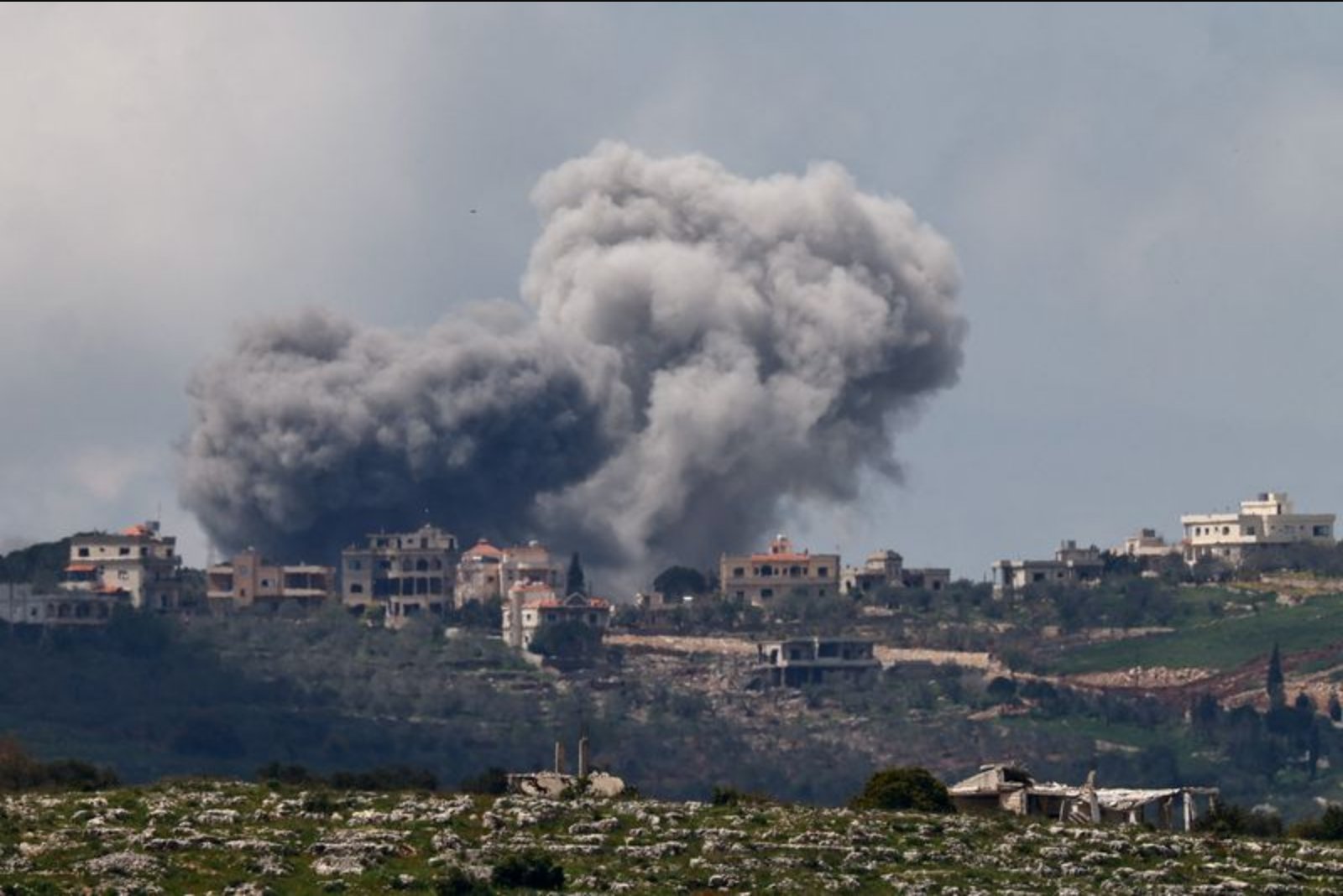
BEIRUT/JERUSALEM, April 16 - U.S. President Donald Trump said leaders from Lebanon and Israel will speak, writing that he was "trying to get a little bit of breathing room" between the two countries after more than six weeks of hostilities between Israel and the Lebanese armed group Hezbollah.

In a social media post published shortly before midnight on Wednesday, Washington time, Trump wrote: "It has been a long time since the two leaders have spoken, like 34 years. It will happen tomorrow. Nice!" The message did not specify which Lebanese and Israeli leaders would be involved or provide additional details about timing or format.

Requests for comment to the Israeli Prime Minister's office received no immediate response. There was also no immediate reply to inquiries directed to the offices of Lebanese President Joseph Aoun and Prime Minister Nawaf Salam.

The current conflict escalated after the U.S.-Israeli confrontation with Iran, with Iran-backed Hezbollah opening fire in support of Tehran on March 2, prompting an Israeli offensive in Lebanon just 15 months after the prior round of fighting. Washington expressed optimism on Wednesday about the possibility of securing an agreement to end the broader confrontation with Iran.

Late on Wednesday, Israel's security cabinet met to consider a possible ceasefire in Lebanon, according to a senior Israeli official. Two senior officials - one Israeli and one Lebanese - said that Prime Minister Benjamin Netanyahu's government was under substantial pressure from Washington to reach a ceasefire in Lebanon.

In a video statement released late on Wednesday, Netanyahu said the Israeli military continued to strike Hezbollah positions and was close to "overcoming" the southern Lebanese town of Bint Jbeil.

A senior Lebanese official said Beirut's assessment was that Israel wanted to secure a victory in Bint Jbeil before any diplomatic progress could be made.


Summary of developments:

  • President Trump announced an upcoming conversation between leaders of Lebanon and Israel, aiming to reduce immediate tensions.
  • The announcement did not identify which leaders would speak or provide logistical details.
  • Israeli security decision-makers convened to discuss a Lebanon ceasefire as U.S. officials reportedly urged Israel toward a diplomatic resolution.

Despite diplomatic gestures, both the Israeli military and Hezbollah-related activity remained active on the ground, and officials on both sides had not confirmed the details of any planned leader-to-leader communication.

Risks

  • Uncertainty over which leaders will participate and the lack of detail about the planned conversation create diplomatic ambiguity - this could prolong instability affecting defense-related sectors and risk-sensitive financial markets.
  • Continued military operations around southern Lebanon, including strikes and ground activity, pose a risk of further escalation between Israel and Hezbollah, with potential consequences for regional security and energy market sentiment.
  • Pressure on the Israeli government from Washington to reach a ceasefire may complicate domestic political dynamics and decision-making, introducing further unpredictability for sectors tied to government stability and defense procurement.

More from World

Australian Federal Court Upholds Extradition of Former U.S. Marine Pilot to United States Apr 15, 2026 Negotiators Signal Potential End to Middle East Fighting as Israel Considers Lebanon Ceasefire Apr 15, 2026 Missile Strikes Rip Through Kyiv Early Thursday, Causing Injuries and Fires Apr 15, 2026 Sotomayor Issues Public Apology to Kavanaugh After Critical Remarks on Immigration Ruling Apr 15, 2026 Ukraine Adopts Integrated Drone-Infantry Combat Model as Commander Reports Territorial Gains Apr 15, 2026