
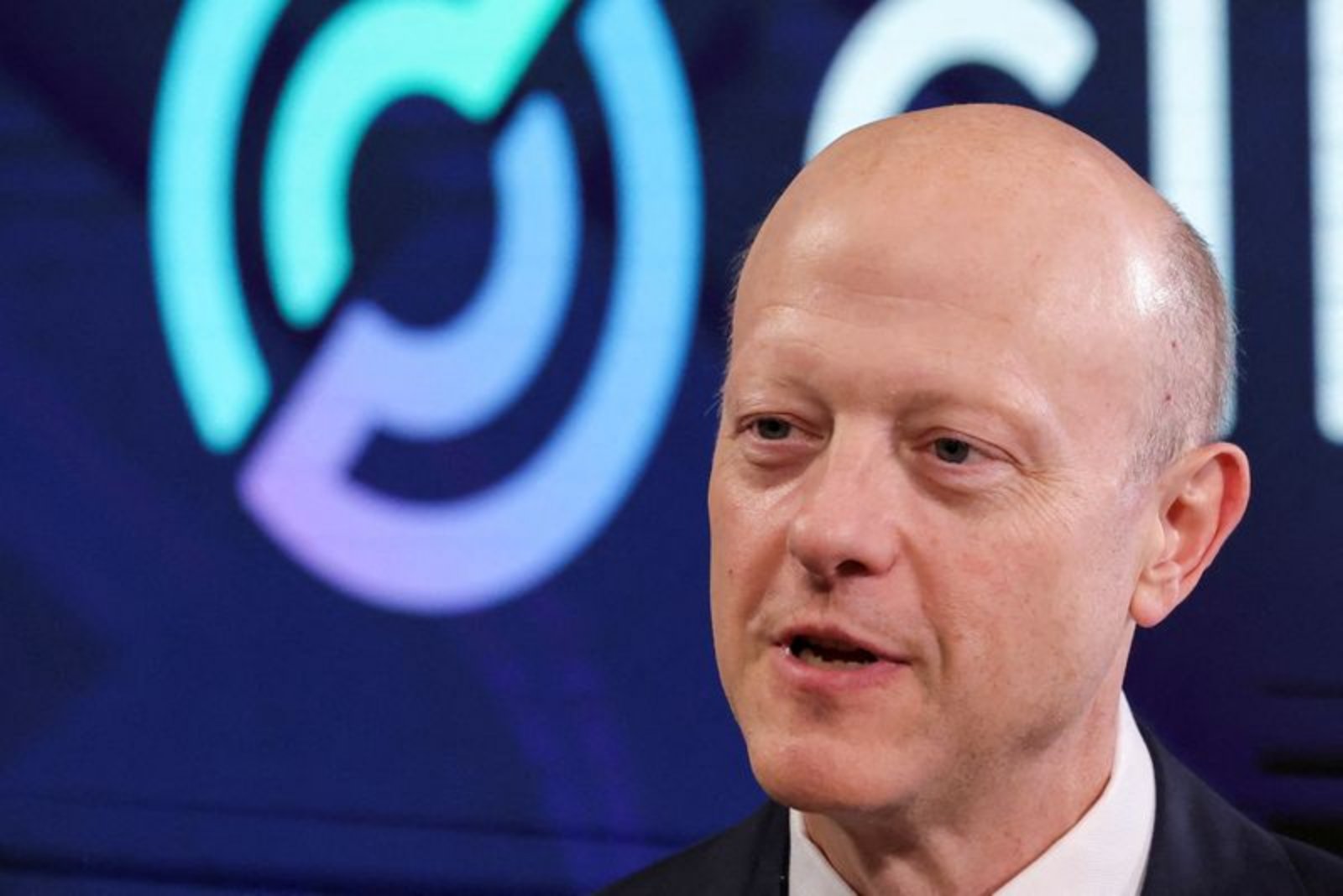
Circle Internet Group believes there is a "tremendous opportunity" for a yuan-denominated stablecoin as digital money plays a growing role in cross-border trade and global finance, according to the company's chief executive.
Jeremy Allaire, co-founder and CEO of the regulated stablecoin issuer, said expanding the international footprint of the yuan is an explicit objective for China and that stablecoins can serve as a mechanism to make a currency easier to use in global payments.
Stablecoins are a class of cryptocurrencies engineered to hold a steady value, typically by being pegged to a fiat currency such as the U.S. dollar. "There’s a tremendous opportunity for a yuan stablecoin," Allaire said in an interview in Hong Kong. He added that, if currencies compete, states will want their currencies to offer the best technological features - framing the development as a technological competition.
Allaire suggested China could move to roll out a yuan-backed stablecoin within the next three to five years. Last August, sources had told reporters that the country was considering such an option to increase global adoption of its currency. If implemented, that step would represent a notable change in China’s posture toward digital assets.
Beijing has previously taken a firm line against certain cryptocurrency activities - in 2021, the country banned cryptocurrency trading and mining citing concerns about financial stability. More recently, China’s central bank reiterated a strict approach to virtual currencies in November amid a market frenzy over digital assets.
Use of stablecoins has risen markedly in recent years because they can enable faster and lower-cost transactions. Circle’s U.S. dollar-backed stablecoin, USDC, which is the world’s second most-held stablecoin, increased its circulation by 72% year-on-year to $75.3 billion by the end of 2025, according to the company’s quarterly results.
Allaire also said Circle saw a significant uptick in USDC transactions tied to heightened geopolitical tensions; the company recorded "several billion dollars" in additional USDC transaction volume following the outbreak of the U.S.-Iran war, as demand rose for portable digital dollars.
Hong Kong was highlighted as an important hub for cross-border payments and settlement. Allaire noted opportunities to work with Hong Kong dollar stablecoins and to integrate such tokens into global platforms, reflecting the city’s role in international financial flows.
Circle finds itself engaged in an active policy debate over U.S. crypto regulation. Lawmakers and industry watchers are watching the CLARITY Act closely, particularly for provisions that could restrict interest-bearing stablecoin products marketed as bank savings. Allaire warned that limits on marketing could have a greater impact on stablecoin distributors than on issuers themselves.
The comments from Circle’s CEO underscore the intersection of technological innovation, currency policy, and regulatory scrutiny as stablecoins expand in use across payments and settlements. How these dynamics evolve will be shaped by decisions in Beijing, regulatory developments in the United States, and market demand for faster, more portable forms of digital money.