
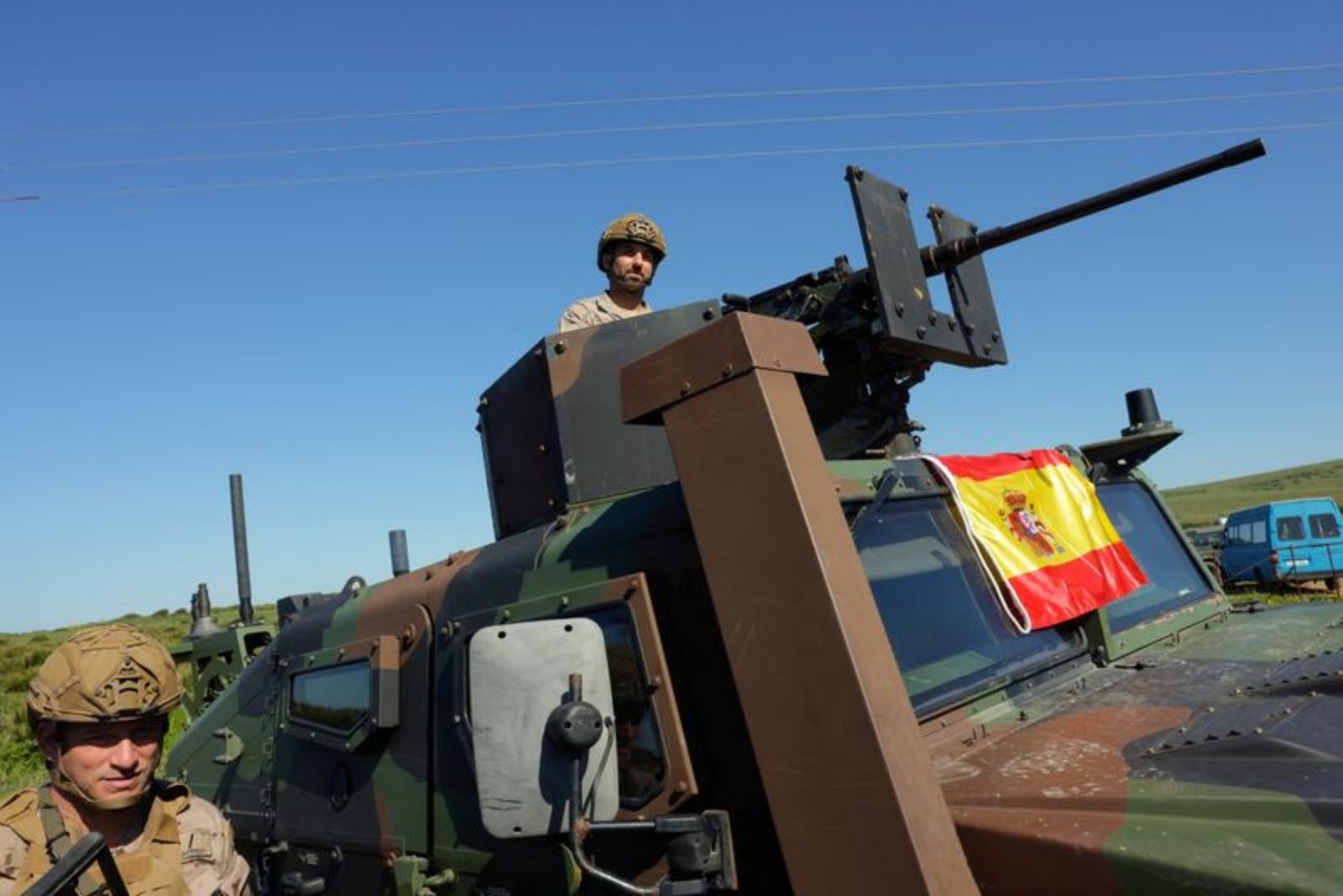
An internal Department of Defense email circulated at senior levels sketches a menu of actions the United States could take against NATO partners it believes have not provided sufficient support for U.S. operations in the conflict with Iran. According to a U.S. official who spoke on condition of anonymity, the options include a proposal to suspend Spain from the alliance and to reconsider U.S. diplomatic positions on long-standing European-held territories such as the Falkland Islands.
The memo was prepared by Elbridge Colby, who serves as the Pentagon’s top policy adviser, the official said. It reflects frustration over allies that the author sees as unwilling or unwilling to grant the United States access, basing and overflight rights - commonly abbreviated as ABO - for operations related to the Iran war. The official said Colby described ABO as "just the absolute baseline for NATO."
One option outlined envisions suspending countries deemed "difficult" from prominent or prestigious posts within NATO. The official said the email was being discussed at high levels inside the Pentagon, and characterized the proposals as intended to send a strong signal within the alliance and to "decrease the sense of entitlement on the part of the Europeans."
President Donald Trump has publicly criticized NATO partners for failing to contribute naval forces to help reopen the Strait of Hormuz, which, the memo notes, was closed to global shipping after the start of the air campaign on February 28. Trump has also told reporters he is weighing the possibility of withdrawing the United States from NATO. Asked whether a U.S. pullout was under consideration, the president posed the rhetorical question, "Wouldn’t you if you were me?" in an April 1 interview.
The internal note does not recommend withdrawing the United States from NATO, the official said. Nor does it propose shutting U.S. military bases in Europe. The official declined to say whether the options include a possible drawdown of some U.S. forces in Europe, a reduction that had been widely expected by outside observers.
When approached for comment about the contents of the email, Pentagon Press Secretary Kingsley Wilson said the department was preparing options for the president to ensure allies meet their responsibilities. "As President Trump has said, despite everything that the United States has done for our NATO allies, they were not there for us," Wilson said. "The War Department will ensure that the President has credible options to ensure that our allies are no longer a paper tiger and instead do their part. We have no further comment on any internal deliberations to that effect."
A NATO official, asked whether an ally can be suspended, noted that the alliance's Founding Treaty contains no provision for suspending membership.
The memo names Spain in particular as a source of U.S. frustration. Officials cited in the note expressed displeasure that Spain's Socialist government would not permit its bases or airspace to be used in offensive operations against Iran. The United States operates two significant military installations in Spain: Naval Station Rota and Morón Air Base. The email argues that suspending Spain would have limited operational effect on U.S. military capabilities but would carry large symbolic weight.
Spanish Prime Minister Sanchez pushed back on translating internal Pentagon options into formal policy, saying, "We do not work off emails. We work off official documents and government positions, in this case of the United States." Sanchez made the comment ahead of a European Union leaders' meeting in Cyprus addressing issues that include NATO’s mutual assistance clause.
Another element of the memo recommends reassessing U.S. diplomatic support for certain European-administered territories that remain the subject of ongoing claims. The Falkland Islands were cited as an example. The State Department’s online information indicates the islands are administered by the United Kingdom but remain claimed by Argentina.
Argentina’s libertarian President Javier Milei, a political ally of President Trump, expressed optimism about the prospect of change. Milei was quoted saying, "We are doing everything humanly possible so that the Argentine Malvinas, the islands, the entire territory return to the hands of Argentina," remarks he made on a radio interview he posted to his X account. "We’re making progress like never before," he added.
British officials stood by the United Kingdom’s position on the islands. A spokesperson for Prime Minister Keir Starmer said that sovereignty rests with the UK and emphasized that the islanders’ right to self-determination is paramount. "It’s been our consistent position and will remain the case," the spokesperson told reporters.
The memo's authors and supporters see these measures as signaling tools rather than immediate operational shifts, according to the U.S. official. The official argued that the political and symbolic effects of actions such as removing an ally from sought-after NATO roles or publicly questioning U.S. backing for overseas possessions would be felt across diplomatic and defense circles even if direct military consequences were limited.
The internal deliberations reflect broader concerns inside the administration about alliance reciprocity. U.S. officials have underscored that NATO obligations should not operate as a one-way street and have voiced frustration at what they characterize as a European "sense of entitlement."
Britain, France and some other European partners have told Washington that joining a U.S.-led naval blockade would amount to entering the war with Iran. However, these partners have indicated a willingness to help secure the Strait of Hormuz after a lasting ceasefire or once the conflict has concluded. Britain initially denied a U.S. request to use two British bases to launch attacks against Iran but later permitted missions intended to defend people in the region, including British citizens, amid Iranian retaliation.
Defense Secretary Pete Hegseth said at a Pentagon briefing earlier in the month that the conflict has revealed limitations and differences in alliance posture. He noted that while Iran’s longer-range missiles do not threaten the continental United States, they are capable of striking Europe. "We get questions, or roadblocks, or hesitations ... You don’t have much of an alliance if you have countries that are not willing to stand with you when you need them," Hegseth said.
The internal memo and the public remarks from senior U.S. officials underscore the administration's desire to press NATO partners to provide clearer and more robust forms of support for U.S. operations tied to the Iran war. How those internal options translate into policy choices - and how NATO allies and partner governments respond - remains unclear. The legal and political mechanics of any effort to suspend a member, and the diplomatic fallout from revisiting long-standing positions on territorial sovereignty, are likely to be complex.
For now, the email appears to function as part of the Pentagon’s internal effort to present the president with "credible options," while allies and NATO institutions review the bounds of treaty language and the practical implications of any punitive measures.