
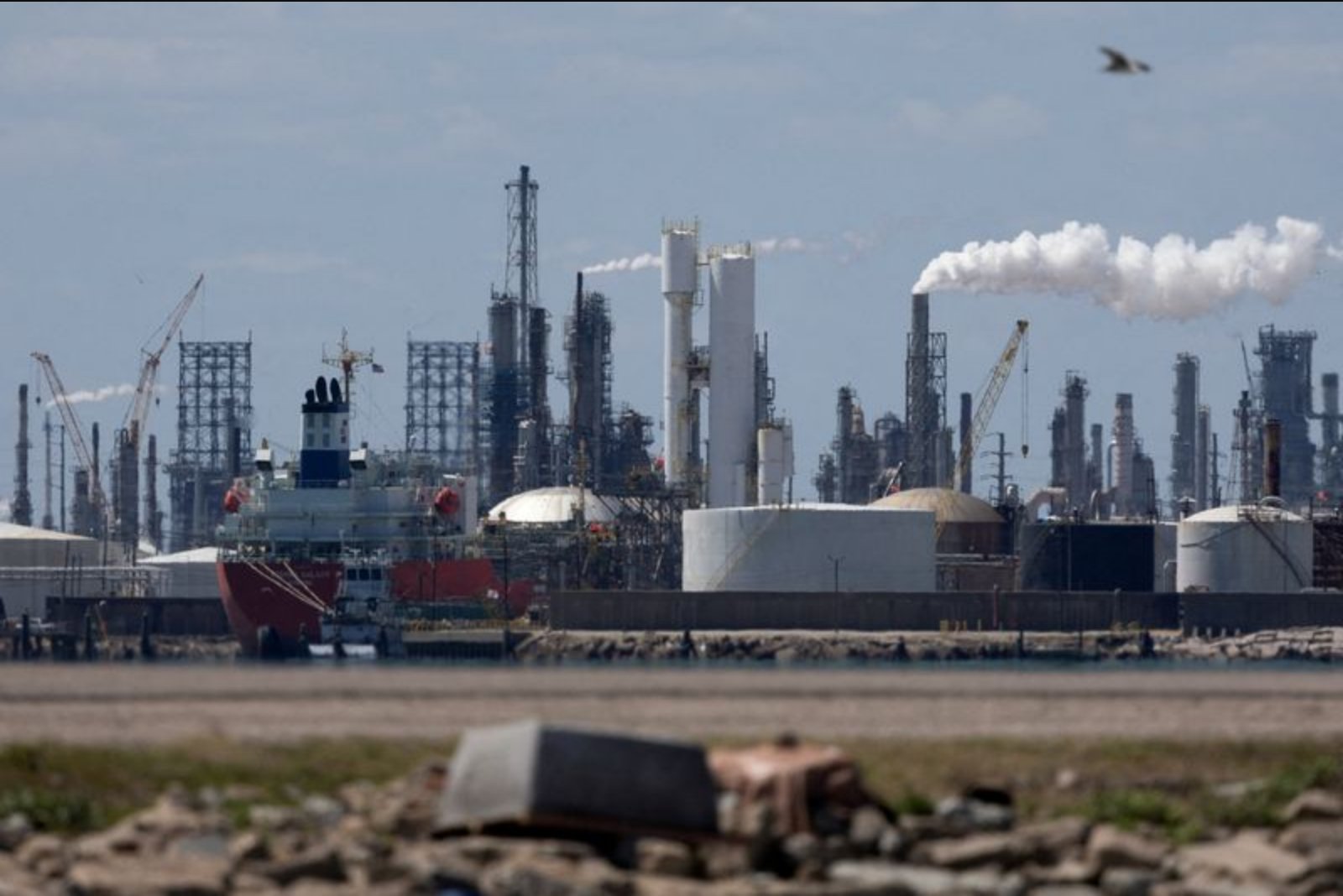
President Donald Trump has authorized a 90-day prolongation of a maritime waiver that allows foreign-flagged vessels to transport oil, gasoline and fertilizer between U.S. ports, the White House confirmed. The extension pushes the waiver beyond its original May 17 expiration, keeping the exemption in place through mid-August.
White House spokeswoman Taylor Rogers said the decision "provides both certainty and stability for the U.S. and global economies." A White House official added that the administration acted roughly three weeks ahead of the pending expiration to give the maritime industry time to secure adequate vessels to move needed commodities to their destinations.
The move is presented as part of a broader effort by the administration to blunt upward pressure on fuel prices tied to the war with Iran. Rising gasoline costs have become politically sensitive, and the administration is pursuing measures aimed at dampening price spikes as affordability is expected to feature prominently with voters in November’s midterm elections. Recent polling referenced by the administration indicates declining public approval of the president's handling of the economy, with gasoline prices cited as a major factor weighing on sentiment.
The waiver change affects the long-standing Jones Act, a federal law that requires goods transported between U.S. ports to be carried on U.S.-built, -owned and -crewed vessels. The issue has generated competing claims about economic effects and national security needs.
Proponents of the law - including U.S. shipbuilders, maritime unions and some lawmakers - contend the requirement is vital to preserving a domestic shipbuilding sector and a merchant marine capable of supporting military logistics and national security. Critics, among them energy producers, refiners and agricultural groups, counter that the mandate raises shipping costs and restricts capacity, particularly during disruptions, contributing to higher prices for fuel and other commodities.
Jennifer Carpenter, president of the American Maritime Partnership, strongly criticized the extension, saying it "is not only an affront to hundreds of thousands of hardworking Americans who put this country first every single day, it sabotages President Trump’s agenda to restore American maritime dominance."
Administrations typically weigh the trade-offs between economic and security considerations when deciding on Jones Act waivers. In this instance, the White House framed the extension as offering short-term certainty to both domestic and global markets while the administration continues other steps intended to address fuel costs and supply worries arising from the U.S.- and Israeli-led conflict with Iran.
The president has said crude oil and gasoline prices are likely to fall once the Iran conflict eases, but the administration also acknowledged that costs could remain elevated even after hostilities subside. Analysts noted by the White House warned that continuing supply disruptions, elevated shipping costs and a persistent geopolitical risk premium could keep prices higher than normal for an extended period.
The extension thus represents a temporary policy response designed to smooth commodity movements within the United States and to limit price volatility, while political and market actors continue to assess the longer-term implications of the conflict and related supply pressures.
Summary
The White House extended a Jones Act waiver by 90 days, allowing foreign-flagged vessels to move oil, fuel and fertilizer between U.S. ports through mid-August. Officials said the extension was timed to provide industry certainty and to help address rising fuel prices tied to the war with Iran, an issue with implications for voter sentiment ahead of the midterm elections.