
U.S. semiconductor stocks rallied sharply on Friday after Intel delivered a revenue outlook that exceeded expectations, bolstering investor confidence that the AI-related boom underpinning this year's semiconductor sector advance has momentum.
The Philadelphia SE Semiconductor Index rose 3.2% to reach an all-time high and was positioned to extend its string of single-day record gains to 18. Year-to-date, the index has appreciated by more than 47%.
Industry observers pointed to large-scale capital spending by major technology companies to expand AI infrastructure as a key force behind the sector's gains. "The AI build-out race is still on. We are seeing solid results, especially for semiconductors and no sign that demand for AI is slowing down," said Angelo Kourkafas, senior global investment strategist at Edward Jones.
Data compiled by LSEG show the semiconductors sub-industry is on track for robust first-quarter earnings growth of 109.2% — substantially outpacing the broader S&P 500 information technology sector, which is expected to see earnings growth of 48.2%.
Intel’s CPU demand energizes the market
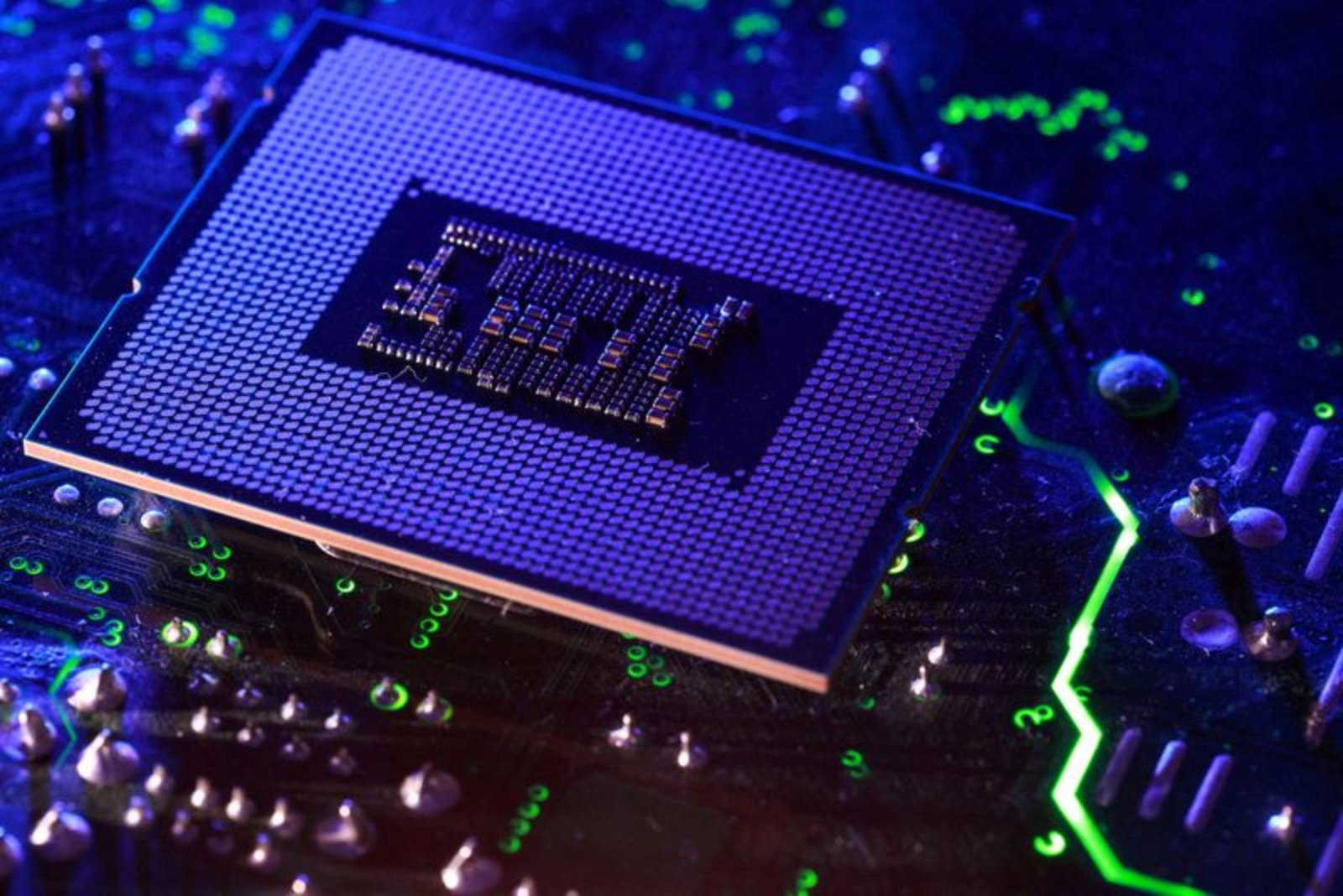
Intel shares surged 22.6%, climbing above the company's previous dotcom-era peak from 2000 after management outlined a strong revenue outlook that signaled elevated demand for central processing units (CPUs) used to power AI model responses. The sharp jump in Intel shares also lifted peers: Advanced Micro Devices rose 13.7% and Arm shares climbed 12%. Nvidia, which remains the world's most valuable company, gained 1.6% on the session.
Much of last year's semiconductor rally was driven by Nvidia on the strength of demand for its graphics processing units (GPUs), which are widely deployed for tasks such as training large machine learning models.
Edward Jones' Kourkafas also noted renewed investor appetite for the broader technology sector, led in part by semiconductors, following a period in which valuations had pulled back. "Over the last 12 months, tech valuations have cheapened and have come in broadly in line with the overall market," he said.
That pullback in valuations earlier this year followed investor concerns about the large scale of AI-related spending by major tech companies and whether that spending would soon translate into faster revenue growth, expanding margins and stronger cash flow. The price-to-earnings ratio for the S&P 500 information technology index has fallen to about 22 times forward 12-month earnings from a peak near 31.8 last year.
Competitive pressures and previews of new models fail to derail gains
U.S. technology shares appeared to largely dismiss a preview of a new AI model from Chinese startup DeepSeek, which had unsettled markets when it introduced a low-cost AI model last year. "Over time, people have come to realize that actually they’re not the threat that they seemed to be. The market’s saying, 'Hang on, we’re not going to be bitten twice with this,'" said David Morrison, senior market analyst at Trade Nation, discussing investor reaction to the DeepSeek preview.
The Philadelphia chips index traded at roughly 26.6 times its forward 12-month earnings estimate, compared with about 20.7 for the S&P 500, indicating a valuation premium for the semiconductor group.
Analog chipmaker Texas Instruments earlier in the week forecast second-quarter revenue and profit above consensus, lifting its shares to a record high; the stock was last down 2.8% on Friday.
Questions about individual investment decisions continue to surface in this environment. For example: "Should you invest $2,000 in INTC right now?" Promotional tools referenced by some market participants describe how automated strategies evaluate stocks. One such tool states it evaluates INTC alongside thousands of other companies every month using more than 100 financial metrics, aiming to generate stock ideas by assessing fundamentals, momentum and valuation. The tool notes it applies an unbiased, data-driven process and points to past winners it identifies as examples.
This mix of strong sector-level earnings expectations, company-specific guidance and ongoing investor debate over valuation and competition underscores a dynamic market environment where AI-related demand is currently supporting elevated chip-sector performance.